Customizing Your Gun’s Bolt Handle: Enhancing Performance and Personalization
For firearm enthusiasts, precision shooters, and hunters alike, the bolt handle is more than just a functional component—it’s a crucial interface between the shooter and their rifle. Customizing your gun’s bolt handle can significantly improve ergonomics, speed, and overall shooting experience. Whether you’re looking to optimize your rifle for competition shooting or simply want a personalized touch, understanding the options and benefits of bolt handle customization is essential.
The Importance of the Bolt Handle in Rifle Performance
The bolt handle is the lever used to operate the bolt mechanism of a firearm, typically found on bolt-action rifles. It allows the shooter to chamber rounds, extract spent cartridges, and reset the firing mechanism. While it might seem like a small part of the rifle, its design and functionality play an outsized role in how smoothly and quickly you can operate your firearm.
In competitive shooting disciplines such as Precision Rifle Series (PRS) or benchrest shooting, every fraction of a second counts. A poorly designed or stock bolt handle can slow down cycling speed or cause awkward hand positioning. Conversely, a well-designed custom bolt handle improves cycling efficiency, reduces hand fatigue during extended shooting sessions, and enhances overall control.
Why Customize Your Bolt Handle?
Manufacturers typically supply rifles with standard bolt handles that are functional but not optimized for every shooter’s needs. Customization offers several advantages:
- Improved Ergonomics: Custom handles can be shaped to fit your hand size and grip style better, providing more comfort during repeated use.
- Enhanced Cycling Speed: Larger or uniquely shaped handles provide better leverage for faster bolt manipulation.
- Personal Aesthetics: Customized handles allow shooters to express individuality through different finishes, materials, or designs.
- Tactical Advantage: In hunting or tactical scenarios where quick follow-up shots are critical, an optimized bolt handle can shave precious seconds off your cycle time.
- Durability and Reliability: Aftermarket bolt handles are often made from high-quality materials with superior machining standards that improve longevity.
A 2022 survey among competitive precision rifle shooters showed that over 68% had upgraded their bolt handles to enhance performance during matches. This statistic highlights how customization is becoming increasingly popular among serious shooters.
Types of Bolt Handle Customizations
The scope of customization ranges from simple modifications to fully bespoke components. Here are some common types:
Larger Knobs
A common upgrade involves installing a larger knob on the end of the bolt handle. Larger knobs provide more surface area for your hand to grip, enabling faster cycling with less effort. They also help maintain control when wearing gloves or in wet conditions.
Example: The Timney Trac-Trigger Bolt Handle features an oversized knob designed specifically for rapid cycling in PRS competitions.
Bent vs. Straight Handles
Bolt handles generally come in straight or bent configurations:
- Straight Handles: Extend directly outward from the receiver; favored by hunters for low-profile operation within tight scopes or mounts.
- Bent Handles: Angled upward or downward; preferred by target shooters as they provide more clearance from optics and facilitate quicker cycling without interference.
The choice between bent and straight depends largely on personal preference and rifle setup. For instance, benchrest shooters often prefer bent handles due to their ergonomic advantages when shooting prone with heavy scopes.
Material Choices
The material used for custom bolt handles affects weight, durability, and aesthetics:
- Steel: The most common choice due to strength and wear resistance.
- Aluminum: Lightweight option favored by hunters seeking weight savings but requires durable coatings to prevent wear.
- Titanium: Premium choice offering excellent strength-to-weight ratio along with corrosion resistance; commonly used in high-end custom builds.
- Synthetic Materials & Composites: Some manufacturers experiment with polymer-based knobs for unique textures or colors while reducing weight further.
Textured Grips & Engraving
Additions such as knurling (textured patterns) or stippling improve grip traction on the knob surface. Engraving allows personalization through logos, initials, or patterns—combining function with style.
Extended Handles
An extended bolt handle increases leverage dramatically by lengthening the lever arm. This modification reduces effort required to cycle heavy bolts like those found on magnum calibers but may increase bulkiness around your setup.
The Process of Customizing Your Bolt Handle
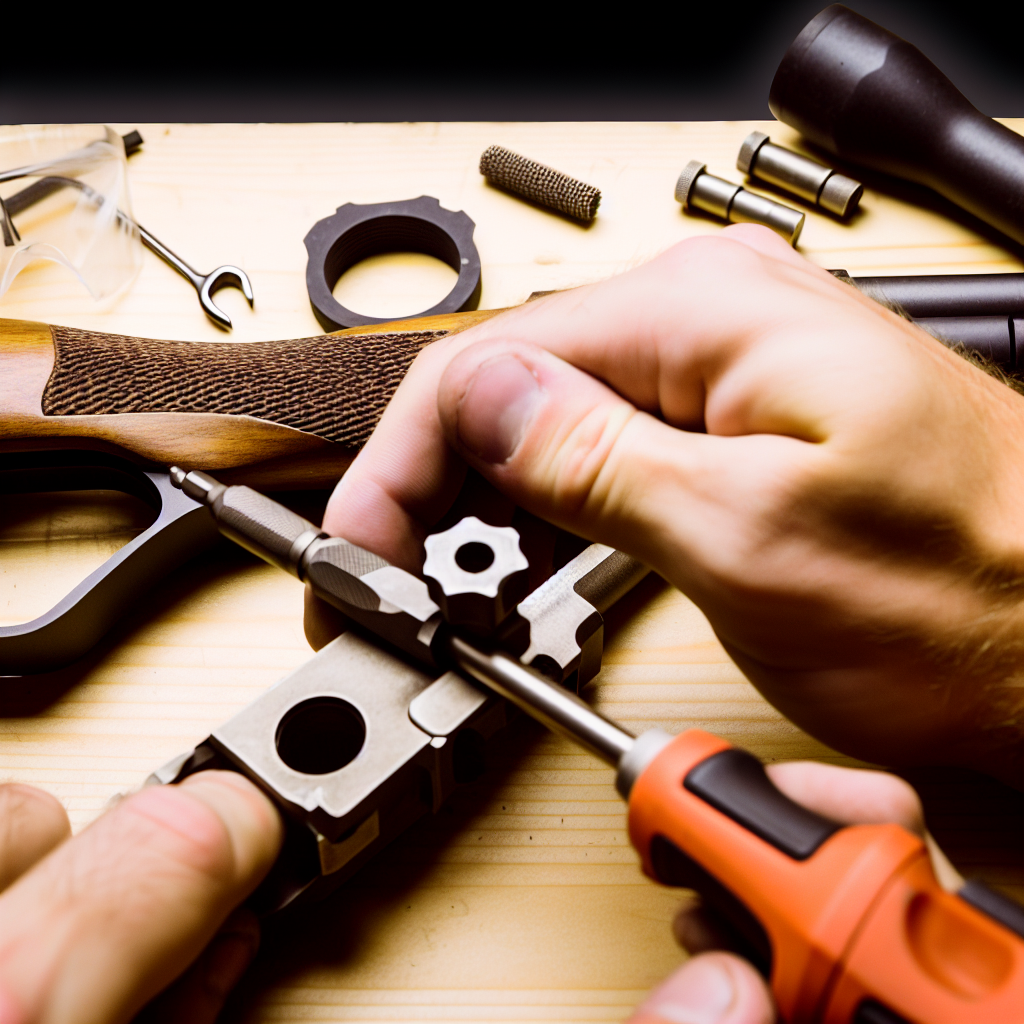
If you decide to customize your rifle’s bolt handle, understanding the steps involved helps ensure optimal results without compromising safety or reliability.
- Select Compatible Parts: Ensure any aftermarket handle matches your rifle model’s specifications (e.g., Remington 700, Savage Axis).
- Consider Your Use Case: Identify whether you prioritize speed (competition), stealth/compactness (hunting), or aesthetics (showpiece).
- Select Material & Finish:</
Select Material & Finish: Choose materials like aluminum or stainless steel for durability, and finishes such as Cerakote or anodizing for corrosion resistance and aesthetics.
With the right modifications, you can enhance both the functionality and appearance of your gun’s bolt handle.