Customizing Your Gun’s Charging Handle: A Comprehensive Guide
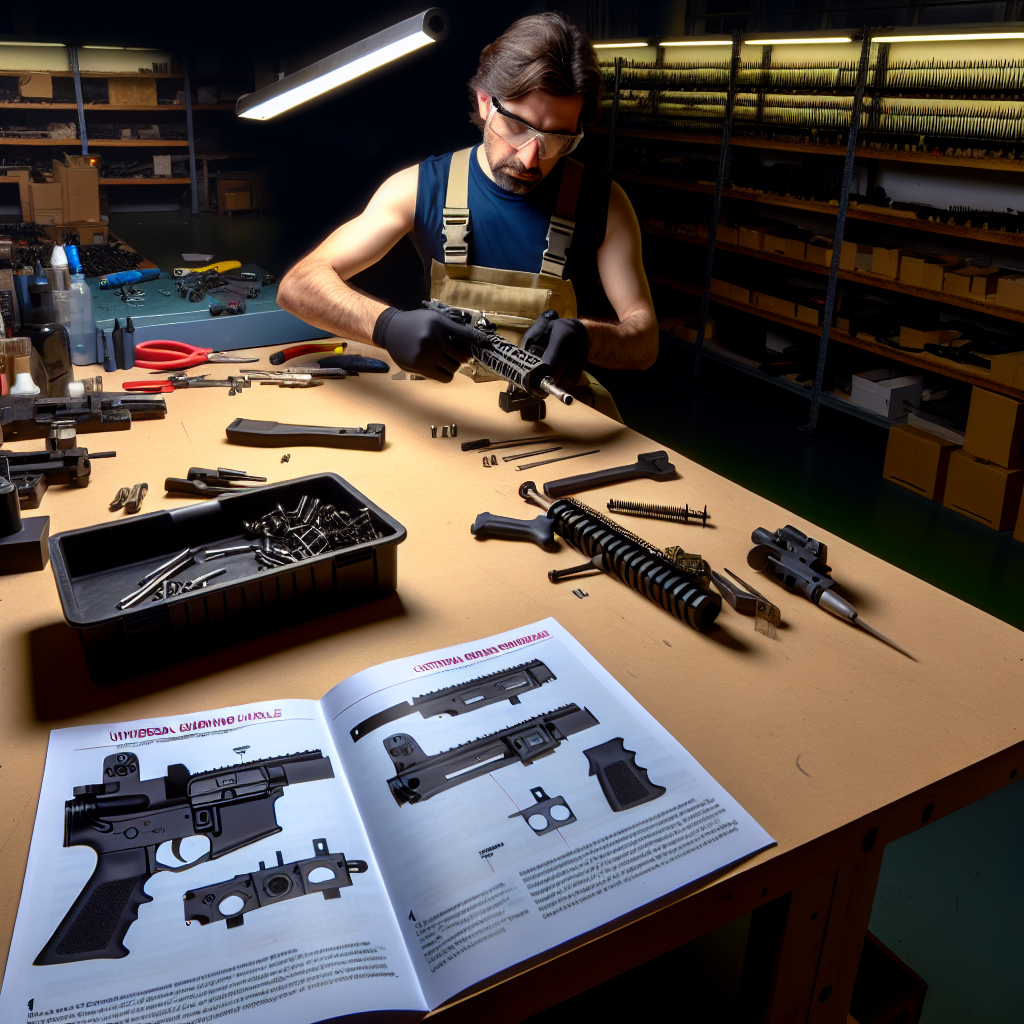
The charging handle is one of the most critical yet often overlooked components of many firearms, especially rifles like the AR-15. It plays a crucial role in chambering rounds, clearing malfunctions, and overall firearm manipulation. Customizing your gun’s charging handle can significantly enhance your shooting experience by improving ergonomics, reliability, and aesthetics. This article delves deep into the world of charging handle customization, providing valuable insights, practical examples, and guidance to help you make informed decisions.
Understanding the Role of the Charging Handle
Before diving into customization options, it’s essential to understand what a charging handle does and why it matters. The charging handle is a manually operated part that allows the shooter to pull back the bolt carrier group (BCG) to chamber a round or clear jams.
- Basic Function: It facilitates the initial loading of a cartridge into the chamber and resets the firing mechanism.
- Clearing Malfunctions: In cases of stovepipes or misfeeds, the charging handle is used to clear out rounds or debris.
- Non-Firing Manipulation: Helps in checking if the firearm is loaded or safe without pulling the trigger.
The standard charging handle found on many rifles such as the AR-15 is functional but often lacks ergonomic features or customization options that could enhance user experience. This opens an avenue for upgrades tailored to individual needs.
Why Customize Your Charging Handle?
Customization isn’t merely about aesthetics; it’s about enhancing performance and comfort. Here are some compelling reasons why gun owners choose to upgrade their charging handles:
- Improved Ergonomics: Custom handles often feature larger latches or extended designs that make it easier to operate under stress or with gloves on.
- Enhanced Durability: Many aftermarket handles are made from stronger materials like billet aluminum or titanium, increasing lifespan.
- Ambidextrous Operation: Standard handles are usually right-side dominant; ambidextrous models allow left-handed shooters or tactical operations from either side.
- Aesthetic Appeal: Custom designs and finishes can add a personalized touch that matches other firearm components.
- Weight Reduction: Some aftermarket handles incorporate skeletonized designs to reduce weight without sacrificing strength.
A study conducted by a popular firearm accessories manufacturer found that over 40% of AR-15 owners consider upgrading their charging handles within their first year of ownership due to these benefits.
Types of Charging Handles and Their Features
The market offers a variety of charging handles tailored for different needs. Understanding these types helps you choose what fits your shooting style best.
Standard Charging Handles
The factory-issued charging handle is simple, reliable, and cost-effective. However, it typically features a small latch only operable from one side, which can be limiting during rapid maneuvers or for left-handed users.
Extended Latch Charging Handles
This type features a larger latch area on one or both sides, making it easier to grab quickly. It improves speed when manipulating the firearm but usually retains the same basic design as standard models.
Ambidextrous Charging Handles
An ambidextrous design allows operation from either side of the rifle. This feature is invaluable for left-handed shooters or situations requiring off-hand manipulation (e.g., shooting around corners).
- Example: The Radian Raptor is an ambidextrous charging handle known for its robust build and smooth operation used widely by military units worldwide.
Skeletonized Charging Handles
Skeletonized models reduce weight by removing excess material while maintaining strength through smart engineering. They also offer a modern look and sometimes better heat dissipation during rapid fire sessions.
Titanium Charging Handles
Titanium variants provide an excellent strength-to-weight ratio along with corrosion resistance but come at a premium price point. These are favored by competitive shooters who demand high performance without additional weight burden.
Selecting the Right Material for Your Charging Handle
The choice of material directly impacts durability, weight, and cost. Here’s an overview of common materials used in charging handle construction:
- Aluminum: The most common material due to its balance between lightness and strength. Usually anodized for corrosion resistance.
- Titanium: Offers superior strength and corrosion resistance at roughly half the weight of steel but comes with a higher price tag.
- Steel: Extremely durable but heavier than aluminum or titanium. Often used in mil-spec parts where maximum durability is required over weight considerations.
- Ceramic Coatings & Finishes: Some manufacturers add coatings like Cerakote or nickel boron for enhanced wear resistance and reduced friction during operation.
A case study involving law enforcement personnel switching from standard aluminum to titanium charging handles showed a measurable decrease in fatigue during extended training exercises due to reduced weight and smoother operation under stress conditions.
Installation Tips and Best Practices
If you’re considering upgrading your charging
handle, ensure you have the right tools and follow the manufacturer’s guidelines for a seamless installation. Proper alignment and securing of the handle will enhance your firearm’s performance.
Ultimately, customizing your charging handle can significantly improve your shooting experience and efficiency.