Guide to Installing Custom Iron Sights
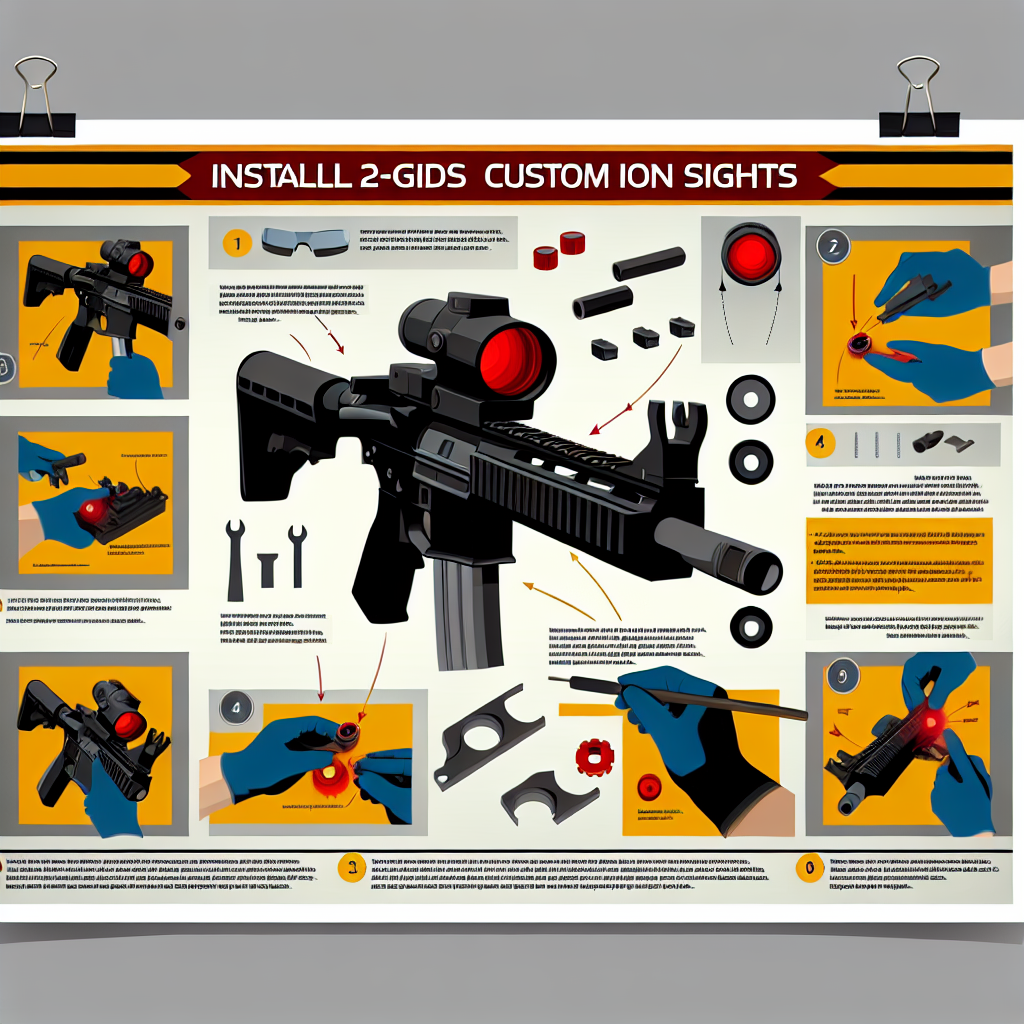
Custom iron sights are an essential upgrade for many firearm enthusiasts seeking improved accuracy, faster target acquisition, and enhanced aesthetics. Whether you’re a seasoned shooter or a novice looking to personalize your firearm, installing custom iron sights can significantly elevate your shooting experience. This comprehensive guide will walk you through everything you need to know about selecting, preparing, and installing custom iron sights on your firearm.
Understanding Iron Sights: Types and Benefits
Before diving into the installation process, it’s crucial to understand what iron sights are and the different types available. Iron sights are mechanical aiming devices that typically consist of a front sight post and a rear sight aperture or notch. They are the most traditional form of sighting systems and are often preferred for their simplicity and reliability.
Types of Iron Sights:
- Fixed Sights: These are permanently mounted on the firearm and cannot be adjusted easily. They offer durability but lack flexibility.
- Adjustable Sights: Allow shooters to adjust for windage (horizontal) and elevation (vertical) to zero in accuracy.
- Ghost Ring Sights: Feature a large aperture rear sight that allows faster target acquisition while maintaining precision.
- Fiber Optic and Tritium-Enhanced Sights: Incorporate glowing or light-gathering elements to improve visibility in low-light conditions.
The benefits of upgrading to custom iron sights include:
- Improved Accuracy: Custom sights often provide better alignment and precision than factory-installed options.
- Faster Target Acquisition: Enhanced sight designs allow quicker alignment of front and rear sights.
- Durability: High-quality materials such as steel or aluminum ensure long-lasting performance under harsh conditions.
- Aesthetic Appeal: Custom sights add a personalized touch to your firearm, enhancing its overall look.
Selecting the Right Custom Iron Sights for Your Firearm
Selecting the appropriate iron sights depends on several factors including your firearm type, shooting style, and intended use. Let’s explore these considerations in detail.
Shooting Discipline and Purpose
Your intended shooting discipline greatly influences which type of iron sights will suit you best. For instance:
- Tactical Shooting or Self-Defense: Opt for quick-acquisition sights like ghost ring or fiber optic sights that allow fast target alignment under stress.
- Precision Target Shooting: Adjustable notch-and-post sights offer fine-tuning capabilities essential for long-range accuracy.
- Hunting: A balance between quick acquisition and durability is key; fiber optic or tritium night sights work well during varying light conditions in the field.
Compatibility with Your Firearm
Sight compatibility depends largely on the make, model, and mounting system of your firearm. Some firearms come with dovetail cuts for easy installation of aftermarket sights, while others require machining or adapters. Always verify that the custom sight you choose is designed specifically for your firearm model or has universal compatibility features.
Material Quality and Construction
The material used in manufacturing your custom iron sights affects durability and performance. Common materials include:
- Steel: Highly durable but heavier; ideal for rifles and handguns subjected to rough use.
- Aluminum Alloy: Lightweight with good strength; common in tactical setups where weight reduction is crucial.
- Synthetic Materials (Polymer): Lightweight and corrosion-resistant but less durable than metal counterparts; suitable for casual use or backup sights.
Tools and Preparations Needed Before Installation
A successful installation hinges on having the right tools and preparation steps completed beforehand. Here’s what you’ll need:
- Screwdrivers or Allen Wrenches: Specific sizes depending on your sight screws.
- Punch Set: For driving out pins if necessary during removal or installation.
- Mallet (Rubber or Nylon): To gently tap components into place without damage.
- Sight Pusher Tool: Essential for dovetail-mounted sights requiring precise pressure application without damaging your firearm.
- Bore Light or Flashlight: To inspect sight alignment through the barrel bore after installation.
- Tape Measure or Caliper: For precise measurement of sight height adjustments if applicable.
- Cleaning Supplies: Rags, solvent, and lubricant to clean mounting surfaces prior to installation.
A clean workspace free from distractions is also important to avoid losing small parts during the process. Additionally, always ensure that your firearm is unloaded before starting any work—safety first!
The Step-by-Step Process of Installing Custom Iron Sights
The installation process may vary slightly depending on whether you’re replacing existing fixed sights or installing new adjustable ones.
Below is a general step-by-step guide tailored for dovetail-mounted custom iron sights—the most common type used in firearms. Always follow manufacturer instructions for best results.
With the right tools and careful attention to detail, you can successfully install custom iron sights and enhance your shooting experience.