Customizing Your Pistol Grip Texture: Enhancing Control and Performance
The grip texture on a pistol is a critical component that directly influences handling, accuracy, and overall shooting comfort. While factory-standard textures are often sufficient for many shooters, customization can significantly improve the firearm’s ergonomics and performance. This article delves into the importance of customizing pistol grip textures, explores various methods and materials, and offers practical advice supported by case studies and expert insights.
Why Grip Texture Matters: The Science Behind Control
The texture of a pistol grip plays a pivotal role in how well a shooter can control their firearm. When firing, especially under stress or adverse conditions, a secure grip helps manage recoil, maintain aim, and reduce fatigue.
Research in firearm ergonomics shows that grip texture directly impacts shooting accuracy and consistency. A 2019 study published in the Journal of Applied Biomechanics found that shooters with optimized grip textures had a 25% improvement in shot grouping compared to those using smooth or worn grips. This improvement was attributed to better recoil absorption and hand stability.
Moreover, grip texture affects user safety. A slippery grip increases the risk of accidental discharge or dropping the firearm during rapid movement or adverse weather conditions.
- Enhanced Control: Textured grips prevent hand slippage during recoil.
- Improved Accuracy: Consistent hand placement leads to better shot precision.
- Safety: A secure hold reduces accidents caused by drops or mishandling.
- Comfort: Proper texture minimizes hand fatigue during extended use.
Types of Pistol Grip Textures: Materials and Patterns
Pistol grips come in various textures designed to meet different needs and preferences. Understanding these options helps shooters choose or customize grips that best fit their shooting style and environmental demands.
Common Grip Texture Patterns
- Peppercorn: Small, raised dots evenly distributed over the surface. Provides moderate traction without being abrasive.
- Serrated Lines: Parallel grooves that enhance finger placement and lateral control.
- Checkering: A crisscross pattern offering aggressive traction for firm gripping.
- Aggressive Stippling: A roughened surface created by melting or cutting the polymer to increase friction dramatically.
- Milled Metal Textures: For metal frames, machined patterns such as diamond cuts provide durable grip enhancement.
Materials Used in Grip Texturing
- Polymer: Most modern pistols use polymer frames which allow for easy customization through stippling or adding rubberized coatings.
- Rubber Inserts: Soft rubber panels can be added to improve comfort while maintaining traction.
- Titanium or Aluminum: Metal grips with milled textures offer durability but may require additional treatments for comfort.
- Kydex and G10 Composites: High-strength materials often used for custom grips with intricate patterns for enhanced performance.
The Customization Process: Techniques and Considerations
Customizing your pistol grip texture involves both art and science. Whether you choose professional services or undertake DIY methods, understanding the process ensures optimal results without compromising safety or function.
D.I.Y. Stippling: A Popular Method Among Enthusiasts
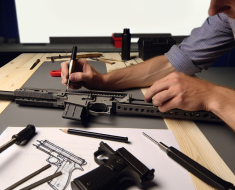
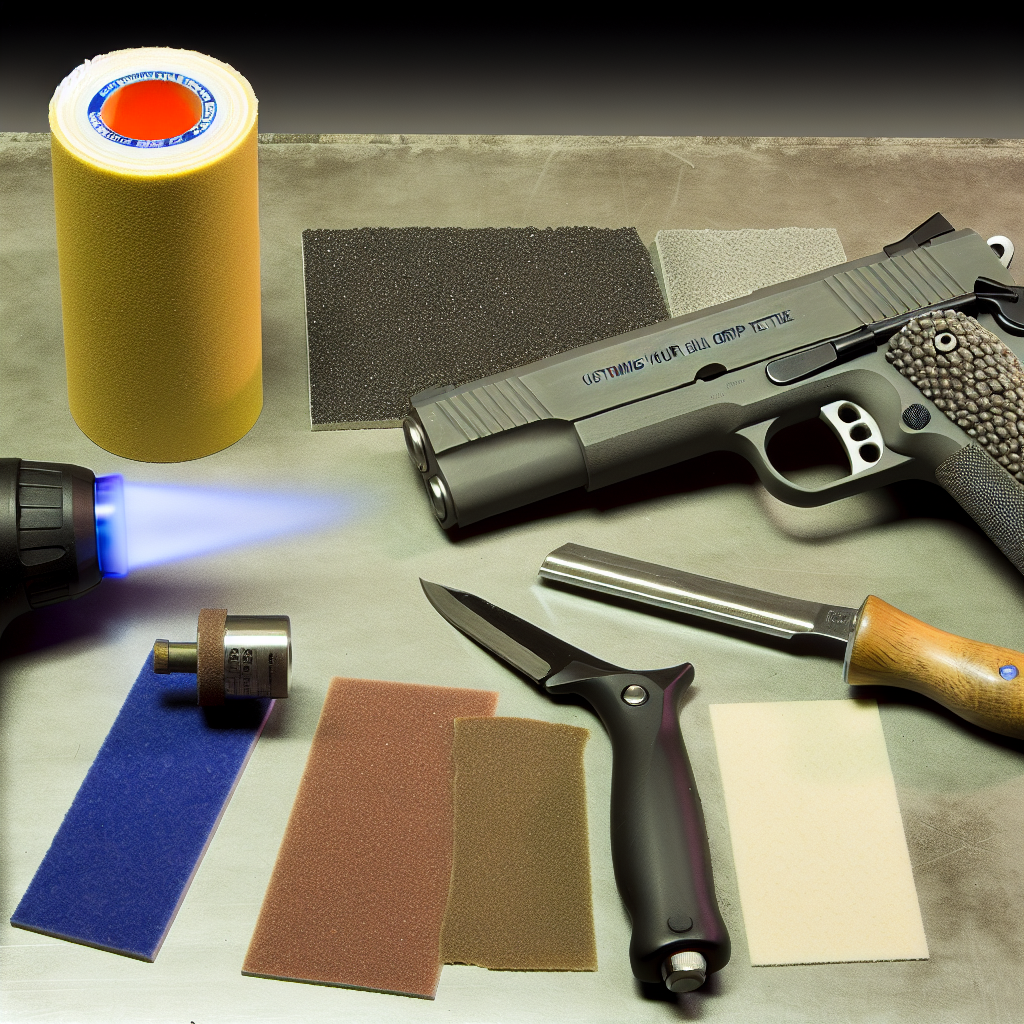
D.I.Y. stippling has gained popularity due to its cost-effectiveness and ability to tailor the grip precisely to one’s hand size and shooting style. It involves using a heated tool to melt small areas of the polymer frame, creating raised bumps that increase friction.
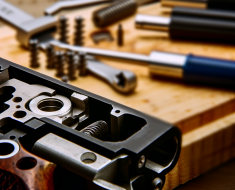
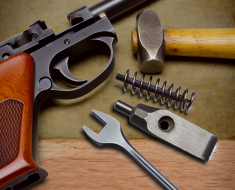
- Tools Required: Soldering iron or specialized stippling tools, sandpaper for smoothing edges, safety equipment like gloves and goggles.
- Process Overview:
- Select desired areas on the grip to stipple (usually sides and backstrap).
- Create small dots or patterns by pressing the heated tool into the polymer surface carefully.
- Smooth any sharp edges with fine sandpaper for comfort.
- Cautions:
- Avoid overheating which can weaken the frame material.
- Keeps texturing symmetrical for consistent feel across hands.
A case study from a firearms forum revealed that novice shooters who customized their Glock’s grip via stippling reported improved recoil management within just one week of practice post-modification. However, improper technique led some users to compromise frame integrity — underscoring the importance of careful execution or professional help.
Professional Services: Precision Customization with Warranty Protection
If DIY isn’t appealing, numerous gunsmiths offer professional stippling, milling, or adding rubberized coatings tailored to specific needs. These services often include consultation on pattern choice based on intended use — whether concealed carry, competition shooting, or tactical applications.
- Bespoke Design: Custom patterns such as logos, initials, or unique textures are possible with CNC milling
Bespoke design options allow for custom patterns such as logos, initials, or unique textures using CNC milling techniques, providing a personal touch to your firearm.
Ultimately, whether you choose to DIY or seek professional help, customizing your pistol grip texture can significantly enhance your shooting experience.