How to Build a Competition-Ready Pistol
Building a competition-ready pistol is both an art and a science, combining mechanical precision, personal preference, and a deep understanding of competitive shooting disciplines. Whether you are preparing for IPSC, USPSA, Steel Challenge, or Bullseye competitions, creating a pistol tailored to your style and the demands of the sport can significantly improve your performance. This guide explores the key components and considerations involved in building a pistol that not only functions flawlessly but also gives you the edge in competitive shooting.
Understanding the Basics: What Makes a Pistol Competition-Ready?
Before diving into the specific parts and modifications, it is essential to understand what differentiates a competition pistol from a standard firearm. A competition-ready pistol must be accurate, reliable, ergonomic, and fast to operate. These characteristics stem from thoughtful customization tailored to the shooter’s needs and the specific demands of their chosen competition.
Key attributes include:
- Accuracy: Enhanced barrel quality, sights, and trigger mechanisms improve shot placement.
- Reliability: The pistol must function flawlessly under rapid fire and various conditions.
- Ergonomics: Grip shape, weight distribution, and controls should allow quick target acquisition and comfortable handling.
- Speed: Optimized trigger pull and recoil management contribute to faster follow-up shots.
A study by the National Shooting Sports Foundation (NSSF) found that shooters using customized pistols improved their hit ratios by an average of 20% compared to those using stock firearms. This statistic underlines the impact of building a pistol suited for competition.
Selecting the Right Base Pistol
The foundation of your build begins with selecting an appropriate base pistol. Not all handguns are created equal for competitive shooting; some models are preferred due to their design, reliability, and ease of modification.
Popular base models include:
- 1911 Platforms: Known for their single-action triggers and excellent ergonomics. The 1911 is favored in Bullseye competitions but requires careful tuning for reliability in faster disciplines.
- Glock Series: Glock pistols are renowned for their durability and widespread aftermarket support. Models like Glock 34 or Glock 17 are common in USPSA Production division.
- CZ Shadow 2 / CZ 75 SP-01: Highly regarded for their out-of-the-box accuracy and smooth triggers; popular in IPSC Production divisions.
- SIG Sauer P320 X5 Legion: A modular design with excellent ergonomics that’s gaining traction in various competition circuits.
Your choice depends on several factors including personal comfort with grip size, trigger preference, caliber requirements (9mm being most common), and budget constraints. For example, many top USPSA shooters prefer Glock 34s due to their long sight radius and manageable recoil.
Key Modifications to Enhance Performance
Once you have your base pistol selected, it’s time to focus on modifications that will elevate its performance under competitive conditions. These enhancements can be grouped into several major categories:
Trigger Upgrades
The trigger is arguably the most critical component affecting speed and accuracy. A smooth, light trigger pull reduces shooter fatigue and improves shot consistency.
- Sear Polishing: Reduces friction between parts for a crisper break.
- Lighter Springs: Lower trigger pull weight improves speed without sacrificing safety.
- Aftermarket Trigger Assemblies: Brands like Apex Tactical or Timney offer drop-in kits designed specifically for popular models such as Glocks or 1911s.
A case study conducted by Practical Shooting Magazine showed that shooters equipped with custom triggers reduced their split times (the interval between shots) by up to 0.15 seconds per shot compared to stock triggers—a substantial advantage over multiple rounds fired during competition stages.
Sights and Optics
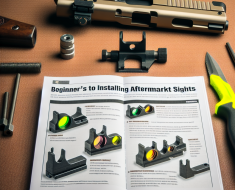
The choice of sights is crucial for fast target acquisition and precision. Iron sights remain popular across many divisions but upgrading them can make a significant difference.
- Tritium Night Sights: Provide visibility in low-light conditions without external power sources.
- Fiber Optic Sights: Bright front sights improve focus on the target quickly under bright lighting conditions.
- Red Dot Optics: Increasingly permitted in competitions such as USPSA Carry Optics division; these allow rapid sight picture acquisition without aligning front and rear sights manually.
The use of optics has revolutionized speed shooting sports. According to data from USPSA national championships over recent years, competitors using red dot optics consistently post higher hit factors (a ratio of points scored per second), indicating faster yet accurate shooting capabilities.
Grip Customization
A secure grip enhances control during recoil management and rapid fire sequences. Many manufacturers offer interchangeable backstraps or grip panels which can be tailored to fit your hand size perfectly.
- Tactical Stippling: Professionally applied texture increases friction without discomfort.
-
Molded grips can also provide a more ergonomic fit, ensuring that the pistol feels natural in your hand during extended use.
By focusing on these key elements, you can build a competition-ready pistol that enhances your performance and confidence on the range.