Collecting Firearms from the Napoleonic Wars: A Comprehensive Guide
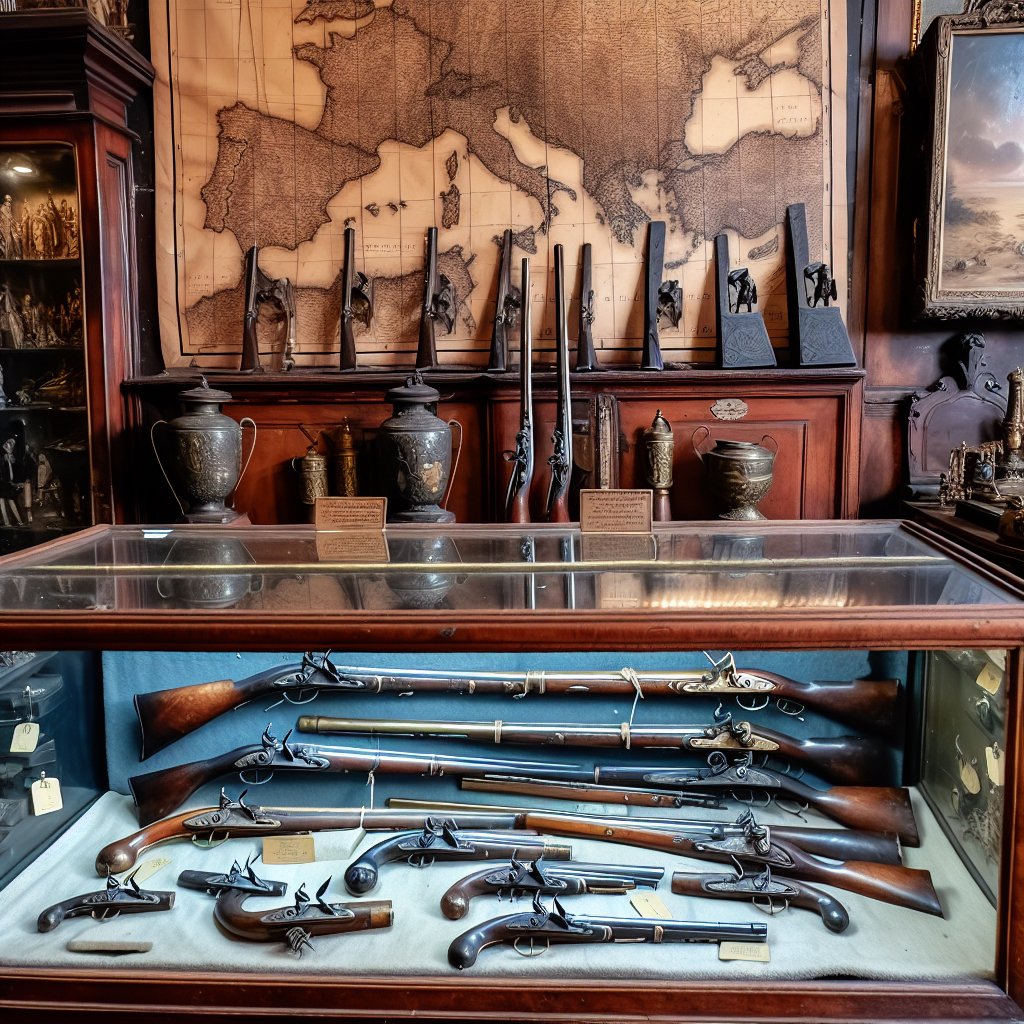
The Napoleonic Wars, spanning from 1803 to 1815, were a transformative period in European and global history. These conflicts not only reshaped political boundaries but also marked significant advancements in military technology, particularly firearms. For collectors today, firearms from this era offer a fascinating glimpse into early 19th-century craftsmanship, military history, and technological evolution. This article delves into the world of collecting Napoleonic War firearms, exploring their historical significance, types, preservation challenges, and market trends.
The Historical Significance of Napoleonic Firearms
The Napoleonic Wars were fought across multiple continents and involved some of the most powerful armies of the time. Firearms used during these conflicts played a crucial role in shaping battlefield tactics and outcomes. Collecting these weapons provides enthusiasts with tangible connections to key historical moments and figures.
During this period, firearms were transitioning from flintlock mechanisms to early percussion cap systems, reflecting broader industrial and technological changes. The widespread use of muskets like the British Brown Bess or the French Charleville musket demonstrates the standardized production methods that allowed mass arming of troops.
- Military Impact: Firearms defined infantry tactics; volley fire and bayonet charges dominated battles such as Austerlitz (1805) and Waterloo (1815).
- Technological Progress: Introduction of rifled barrels towards the end of the wars began enhancing accuracy beyond traditional smoothbore muskets.
- Symbolism: Many weapons bear regimental markings or maker’s stamps linking them directly to famous units or battles.
This rich historical context enhances the appeal of Napoleonic firearms for collectors who value artifacts with authentic stories and provenance.
Types of Firearms Used During the Napoleonic Wars
Understanding the different categories and models of firearms is essential for any collector interested in this period. The majority fall into three main groups: muskets, pistols, and rifles.
Muskets
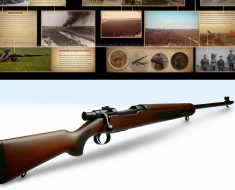
Muskets were the backbone of infantry forces. They were predominantly smoothbore muzzleloaders firing round lead balls. Notable examples include:
- British Brown Bess: Perhaps the most iconic musket of the era, widely used by British infantry units. It was a .75 caliber smoothbore with an effective range up to 100 yards.
- French Model 1777 Charleville Musket: A .69 caliber musket known for its reliability and lighter weight compared to its British counterpart.
- Russian Model 1808 Musket: Reflecting Russia’s participation in these wars, this musket was influenced by French designs but adapted for local manufacturing capabilities.
Pistols
Pistols served as secondary weapons primarily for officers and cavalry. They were usually single-shot flintlock designs or occasionally multi-barrel variants.
- French Cavalry Pistols: Often paired in sets and ornately decorated to signify rank.
- British Horse Pistols: Larger caliber pistols designed for close combat during mounted engagements.
Rifles
Rifles were less common but gained prominence due to their superior accuracy from grooved barrels. Noteworthy models include:
- Baker Rifle (British): Used by rifle regiments such as the famed 95th Rifles; it had a smaller caliber (.625) but was deadly at longer ranges due to rifling.
- Austrian Lorenz Rifle: Introduced late in the Napoleonic era; it combined rifling with percussion ignition in later variants.
The diversity of these firearms presents collectors with numerous avenues depending on interest—be it infantry muskets emblematic of mass warfare or specialized rifles representing emerging military technology.
The Challenges of Collecting Napoleonic Firearms
Navigating the world of antique firearms from over two centuries ago involves several unique challenges related to authenticity, condition, legality, and preservation.
Authenticity Verification
The market includes many reproductions made both historically (19th century replicas) and more recently for reenactments or decorative purposes. Genuine Napoleonic-era firearms can be identified through:
- Proof Marks & Stamps: Most official military weapons bear manufacturer marks, proof stamps (often regional), or unit insignia that can be cross-referenced with historical records.
- Museum Comparisons: Studying examples held in museums such as the Royal Armouries (UK) or Musée de l’Armée (France) helps verify details like metal finish, wood type, and construction techniques.
- Muzzle Wear & Patina: Natural aging signs consistent with over two centuries are difficult to fake convincingly without expert knowledge.
Condition & Restoration Issues
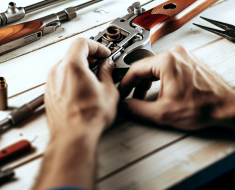
The survivability of firearms exposed to battlefield conditions or poor storage means many have suffered corrosion or mechanical damage. Collectors must balance between preserving originality versus restoring functionality or appearance.
Collectors must balance between preserving originality versus restoring functionality or appearance. Understanding these factors is essential for anyone interested in acquiring genuine Napoleonic firearms.