Collecting Firearms from the Cold War Era: A Comprehensive Guide
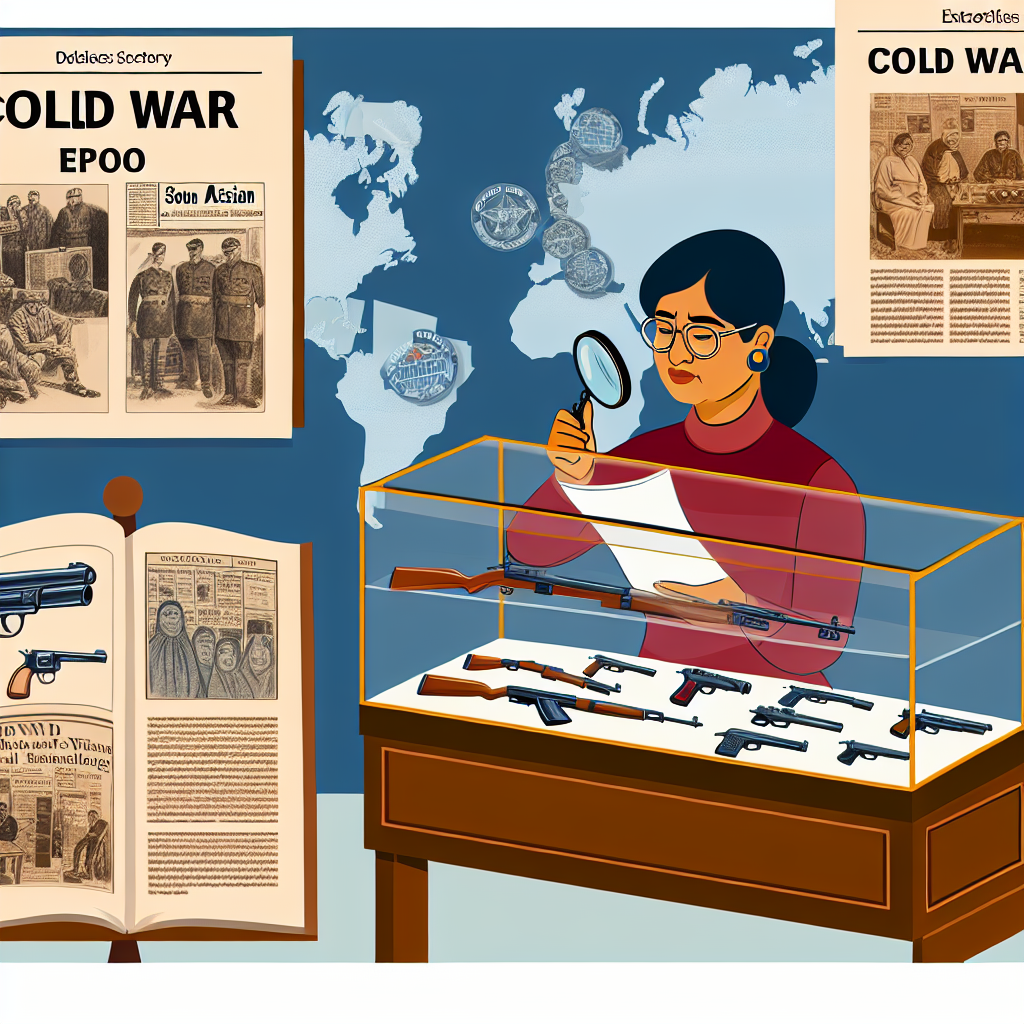
The Cold War era, spanning roughly from 1947 to 1991, was marked by intense geopolitical tension between the United States and the Soviet Union along with their respective allies. This period not only shaped global politics but also saw significant advancements and diversification in military technology, especially firearms. Collecting firearms from this era offers enthusiasts a unique window into a pivotal chapter of modern history, combining historical significance with intricate engineering.
This article explores the fascinating world of Cold War firearms collecting, providing insights into key weapon types, notable models, legal considerations, and tips for both novice and seasoned collectors.
The Historical Context: Why Cold War Firearms Matter
Understanding the historical backdrop is essential to appreciating Cold War firearms. This era was characterized by proxy wars, arms races, and technological innovation as superpowers vied for dominance without engaging in direct large-scale conflict.
Firearms developed during this time reflected the strategic doctrines and technological capabilities of their nations. They were designed not only for conventional warfare but also for guerrilla tactics, espionage missions, and rapid deployment forces.
- Technological Innovation: The Cold War saw the transition from traditional bolt-action rifles to sophisticated assault rifles and submachine guns.
- Diverse Usage: Weapons were tailored for various environments—from dense jungles in Vietnam to urban warfare scenarios in Europe.
- Symbolism: Some firearms became symbols of ideological struggle, such as the AK-47 representing Soviet influence worldwide.
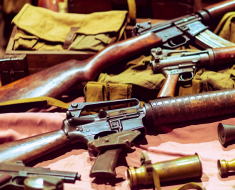
Collecting these firearms allows enthusiasts to hold tangible artifacts that embody decades of political tension and technological evolution.
Iconic Firearms of the Cold War Era
Certain firearms stand out as emblematic of the Cold War period due to their widespread use, innovative design, or symbolic status. Collectors often seek these iconic pieces both for their historical value and mechanical interest.
The AK-47: The People’s Rifle
Designed by Mikhail Kalashnikov in 1947, the AK-47 is arguably the most recognizable firearm from the Cold War. Its robust design, ease of maintenance, and reliability under harsh conditions made it a staple of Soviet-aligned forces globally.
- Production Volume: Estimates suggest over 75 million AK-47s and variants have been produced worldwide.
- Global Reach: Used by over 100 countries and numerous insurgent groups during proxy conflicts.
- Collectability: Early Soviet-made AK-47s are highly prized; variants like the Romanian PM md. 63 or East German MPi-KM also attract collectors.
The M16 Rifle: America’s Standard Issue
The M16 rifle became standard issue for U.S. forces during the Vietnam War and continued evolving throughout the Cold War. Its lightweight design using aluminum alloys and high-velocity rounds revolutionized infantry combat tactics.
- M16A1: Introduced in the mid-1960s with improvements over initial models addressing reliability issues.
- M16A2: Enhanced accuracy and durability introduced in the early 1980s with a heavier barrel and new sights.
- Cultural Impact: Featured prominently in media related to Vietnam and later conflicts; remains popular among collectors for its historical relevance.
The MP5 Submachine Gun: Precision Meets Portability
The German-made Heckler & Koch MP5 became a favorite among special forces worldwide due to its compact size, accuracy, and modular design. Introduced in the late 1960s, it saw extensive use throughout various Cold War theaters including Europe and Latin America.
- Tactical Use: Employed by elite units such as British SAS during counter-terrorism operations including the famous Iranian Embassy siege in London (1980).
- Variants: Numerous versions exist including suppressed models favored by covert operatives.
Navigating Legalities: What Collectors Need to Know
Collecting firearms from any era requires careful attention to legal restrictions which vary widely by country—and even within regions of countries. The Cold War period includes many weapons that are still classified as military-grade or restricted items today.
Prospective collectors should be aware of several key factors:
- Federal Laws: In countries like the United States, laws such as the National Firearms Act (NFA) regulate automatic weapons, short-barreled rifles (SBRs), silencers, and other accessories commonly found on Cold War-era arms.
- Import Restrictions: Many original Cold War firearms may be banned or require special permits depending on their origin or current classification (e.g., fully automatic AK-47s).
- Semi-Automatic Versions: Due to restrictions on automatic weapons, many collectors pursue semi-automatic clones or civilian-legal versions modeled after iconic military designs.
- Cultural Heritage Laws: Some countries restrict export or ownership of historically significant firearms tied to national heritage or wartime history.
A thorough understanding of local regulations combined with consultation from licensed dealers or legal experts can help ensure compliance and a successful collecting experience.
By staying informed and cautious, collectors can responsibly enjoy the rich history of Cold War firearms.