
Collecting Firearms with Historical Military Markings: A Comprehensive Guide
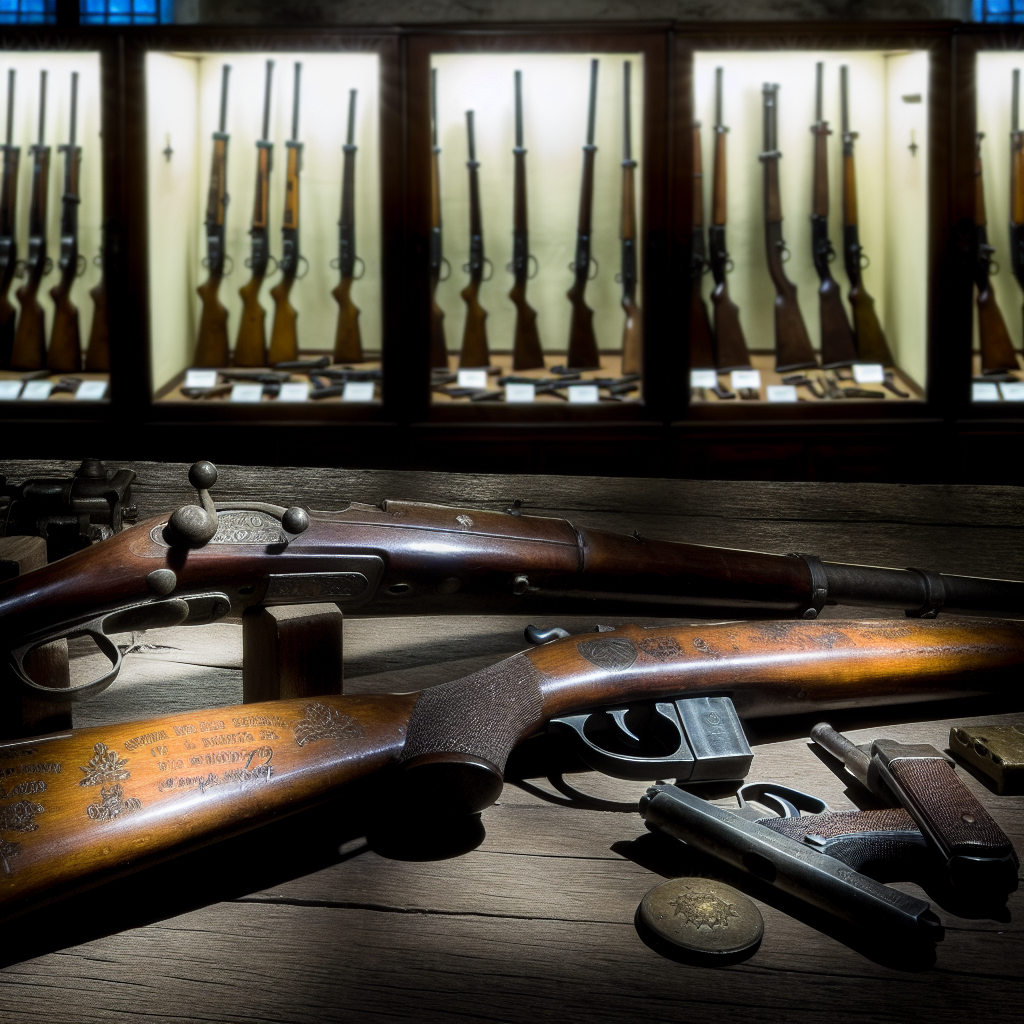
The world of firearm collecting is vast and varied, but few niches captivate enthusiasts quite like collecting firearms with historical military markings. These artifacts offer a tangible connection to significant moments in history, serving as both relics of warfare and symbols of national heritage. For collectors, owning a firearm stamped with military insignia or unit markings is not just about possession but about preserving stories and understanding the broader context of global conflicts.
The Significance of Military Markings on Firearms
Military markings on firearms are more than mere decorations; they carry deep historical, cultural, and technical significance. Typically found on rifles, pistols, machine guns, and even artillery pieces, these markings can include unit insignias, arsenal stamps, acceptance proofs, serial numbers, and dates of manufacture.
Understanding these markings helps collectors:
- Authenticate the firearm’s origin: Confirming whether a firearm was genuinely issued to a specific military force.
- Trace its service history: Learning about the units or battles the weapon may have been involved in.
- Assess rarity and value: Certain markings make a firearm highly sought after due to their scarcity or unique historical context.
- Preserve military heritage: Each mark tells a story about the manufacturing standards, technological advancements, and military logistics of its time.
For example, an M1 Garand rifle bearing inspection marks from Springfield Armory and unit stamps from the 101st Airborne Division provides insights into its manufacturing quality and its role during World War II’s pivotal battles like Normandy or Bastogne.
Types of Military Markings: What Collectors Look For
Military firearms often bear several types of markings that vary depending on the country, era, and branch of service. Here are some common categories:
- Acceptance Stamps: Proof marks or stamps indicating that the firearm passed inspection by a military arsenal or government authority. Examples include British “crown” proofs or Soviet star acceptance marks.
- Unit Markings: Symbols or codes denoting the regiment or division to which the weapon was issued. These can be etched or stamped onto metal parts or wooden stocks.
- Date and Serial Numbers: These help pinpoint production batches and sometimes correlate with specific wartime periods or campaigns.
- Manufacturer Marks: Arsenal names like “FN Herstal” (Belgium), “Mauser” (Germany), or “Colt” (USA) provide clues about origin and quality.
- Proof Marks: Indicate testing for safety standards; often used in European countries with strict proof houses like Germany’s “Eagle over N” mark.
- Censor Marks & Modification Stamps: Some firearms show modifications made post-manufacture for specialized military roles or after capture/repurposing by enemy forces.
A notable example is the Soviet Mosin-Nagant rifle. Early models bear arsenal marks such as an arrow inside a triangle (Izhevsk) or a star with an arrow (Tula). Collectors prize rifles with matching marks on both barrel and stock as indicators of authenticity.
The Historical Context Behind Military Firearm Markings
The evolution of military firearm markings mirrors changes in warfare, manufacturing techniques, and political landscapes. During major conflicts such as World War I and II, mass production necessitated standardized marking systems for identification and quality control. Post-war periods saw modifications to reflect new alliances or changes in political regimes.
Some key historical insights include:
- World War I Era: Many countries introduced acceptance marks for mass-produced bolt-action rifles like the British Lee-Enfield or German Mauser Gewehr 98. These marks often included date codes representing fiscal years to track production efficiency during wartime strain.
- World War II Developments: The scale of global conflict expanded marking complexity. The U.S., for instance, added cartouches denoting armories like Springfield Armory (SA) or Rock Island Arsenal (RIA). German weapons featured Waffenamt acceptance stamps—eagle over “WaA” followed by inspector numbers—indicating rigorous testing standards.
- The Cold War Period: Soviet bloc weapons like the AK-47 carried distinctive factory codes combined with year stamps reflecting Warsaw Pact standardization efforts. Conversely, NATO countries maintained legacy systems but introduced new batch codes for interoperability tracking.
This historical layering adds depth to each collectible piece. A World War II Japanese Arisaka rifle stamped with Imperial Army symbols becomes a window into Asia-Pacific theater operations while simultaneously narrating Japan’s industrial capabilities during that era.
The Challenges and Rewards of Collecting Military Marked Firearms
Collecting firearms with historical military markings involves navigating several challenges but offers rewarding experiences for dedicated enthusiasts. Understanding these helps collectors make informed decisions while building meaningful collections.
Challenges
- Authentication Difficulties: Fake or reproduction markings can mislead buyers into overpaying for items lacking genuine provenance. Expert knowledge is necessary to spot discrepancies in fonts, placement, wear patterns, and stamping techniques.
-
Laws and Regulations: Collectors must also be aware of the legal implications surrounding the ownership and sale of military marked firearms, which can vary significantly by region.
Ultimately, the journey of collecting these historical pieces not only enriches personal knowledge but also preserves important narratives from the past.