The Role of Firearms in Law Enforcement History
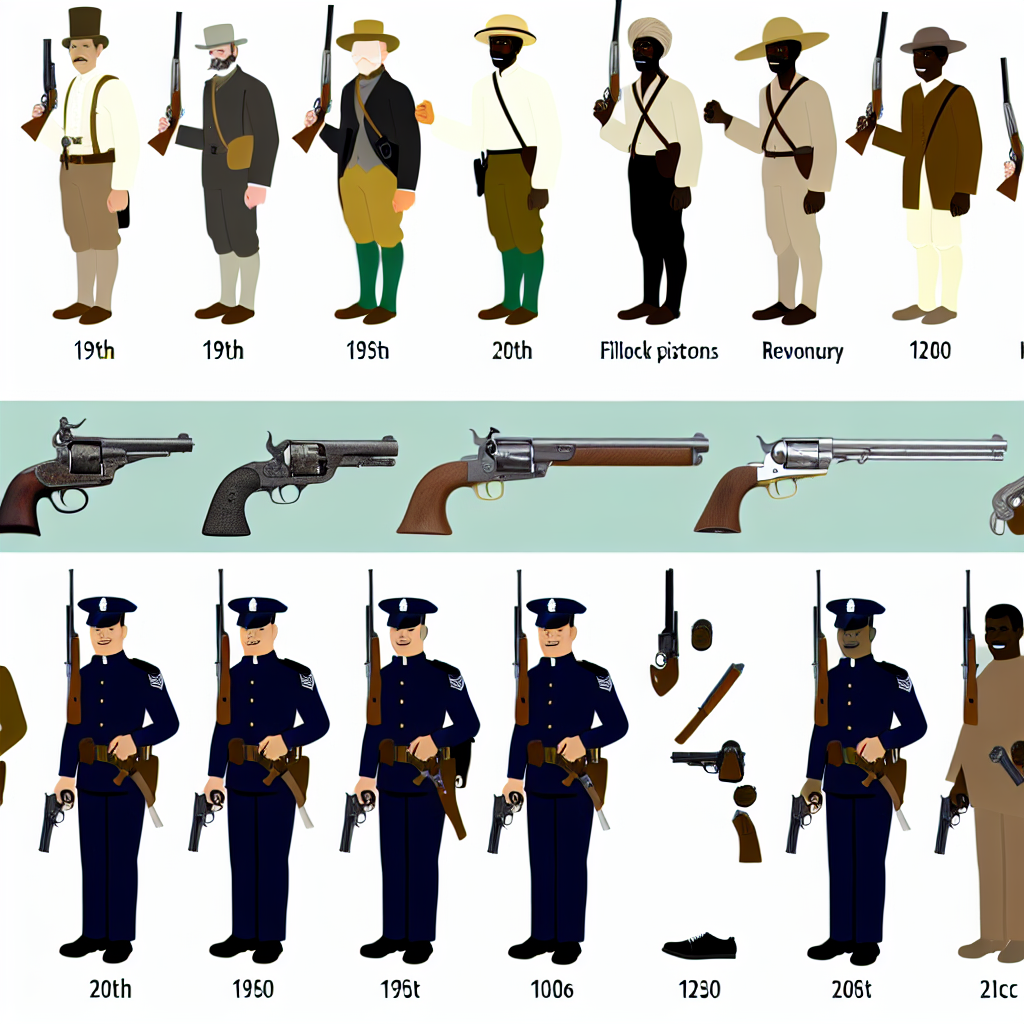
The history of law enforcement is deeply intertwined with the evolution and use of firearms. From the early days of organized policing to the modern era, firearms have played a pivotal role in shaping police tactics, public safety policies, and the overall relationship between law enforcement agencies and the communities they serve. This article explores the multifaceted role firearms have played throughout law enforcement history, highlighting key developments, significant case studies, and contemporary challenges.
Early Policing and the Introduction of Firearms
Before the widespread adoption of firearms, law enforcement relied heavily on physical force, batons, and rudimentary weapons such as swords or clubs. The introduction of firearms marked a significant shift in policing capabilities and strategies.
In the 18th and 19th centuries, as urban centers expanded rapidly during the Industrial Revolution, crime rates rose and law enforcement agencies sought more effective means to maintain order. Early police forces such as the London Metropolitan Police (established in 1829) initially discouraged officers from carrying firearms to avoid escalating violence. However, this stance gradually changed as officers faced increasingly dangerous criminals armed with pistols and knives.
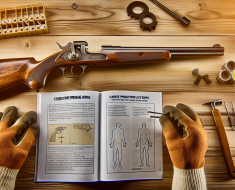
- Early Firearms Use: In colonial America and Europe, officers often carried single-shot pistols or muskets for self-defense.
- Shift Toward Standardization: By the late 19th century, many police departments began standardizing their issued weapons, often favoring revolvers for their reliability.
This transition underscored a broader trend: firearms were becoming essential tools for enforcing laws in growing urban environments characterized by complex social dynamics and rising criminal sophistication.
The Evolution of Firearms Technology and Its Impact on Policing
The development of more advanced firearms significantly influenced how law enforcement operated. Innovations in firearm technology—from revolvers to semi-automatic pistols—enhanced officer effectiveness but also introduced new challenges regarding use-of-force policies and public perception.
Key technological milestones included:
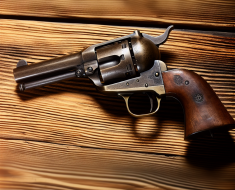
- The Colt Revolver: Introduced in the mid-19th century, this weapon became a staple for many police forces due to its multiple shots without reloading.
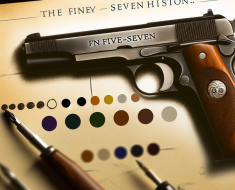
- Semi-Automatic Pistols: By the early 20th century, semi-automatic handguns offered higher capacity magazines and quicker firing rates than revolvers. Many departments transitioned to models such as the M1911 pistol.
- Less-Lethal Options: The late 20th century saw innovations like tasers and rubber bullets that supplemented traditional firearms with alternatives designed to minimize fatal encounters.
These technological advancements allowed officers to respond more effectively to violent crimes but also raised critical questions about training standards, accountability, and escalation protocols. For instance, increased firepower necessitated comprehensive training programs to ensure officers used their weapons responsibly under pressure.
Case Studies: Firearms Shaping Law Enforcement Practices
Examining specific historical instances reveals how firearms influenced policing tactics and public attitudes toward law enforcement.
The Wild West Era
The American frontier during the late 19th century is famously associated with gunfights involving sheriffs, marshals, outlaws, and vigilantes. Firearms were not only tools for law enforcement but symbols of authority and survival in often lawless territories.
- Famous Figures: Lawmen like Wyatt Earp carried revolvers that enabled them to assert control over violent situations—most notably during events like the Gunfight at the O.K. Corral (1881).
- Tactical Limitations: Despite their iconic status, these weapons required skillful marksmanship due to limited ammunition capacity and slow reload times.
The Prohibition Era (1920-1933)
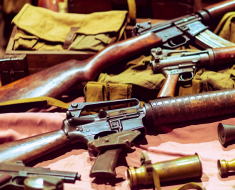
The rise of organized crime during Prohibition led to an arms race between criminals and police. Gangsters often carried automatic weapons like Thompsons (“Tommy guns”), forcing law enforcement agencies to upgrade their arsenals dramatically.
- Increased Firepower: Police departments acquired submachine guns and rifles to counter heavily armed criminals.
- Tactical Evolution: The era saw advancements in police training for coordinated raids and shootouts—as exemplified by FBI confrontations with notorious figures like John Dillinger.
The Modern Era: High-Profile Shootings and Policy Reform
The late 20th and early 21st centuries have witnessed numerous high-profile incidents involving police use of firearms that sparked public debate over accountability and reform.
- The Rodney King Incident (1991): This case highlighted excessive force issues within policing culture amid racial tensions in Los Angeles.
- Sandy Hook Shooting (2012): Though primarily a mass shooting event outside direct police action, it intensified scrutiny on firearm access impacting both civilian safety and law enforcement response protocols.
- The Rise of Body Cameras: To increase transparency surrounding shootings involving officers’ firearms use.
Such cases have prompted departments worldwide to revise use-of-force guidelines, enhance de-escalation training, emphasize community policing models, and adopt less-lethal options alongside traditional firearms.
The Role of Training and Regulation in Responsible Firearms Use is crucial in ensuring that law enforcement officers are equipped to handle firearms safely and effectively. Proper training, coupled with stringent regulations, fosters accountability and promotes public trust in law enforcement.
In summary, the evolution of firearms in law enforcement reflects broader societal changes and the ongoing dialogue about safety, accountability, and community relations.