How to Research the Provenance of a Firearm
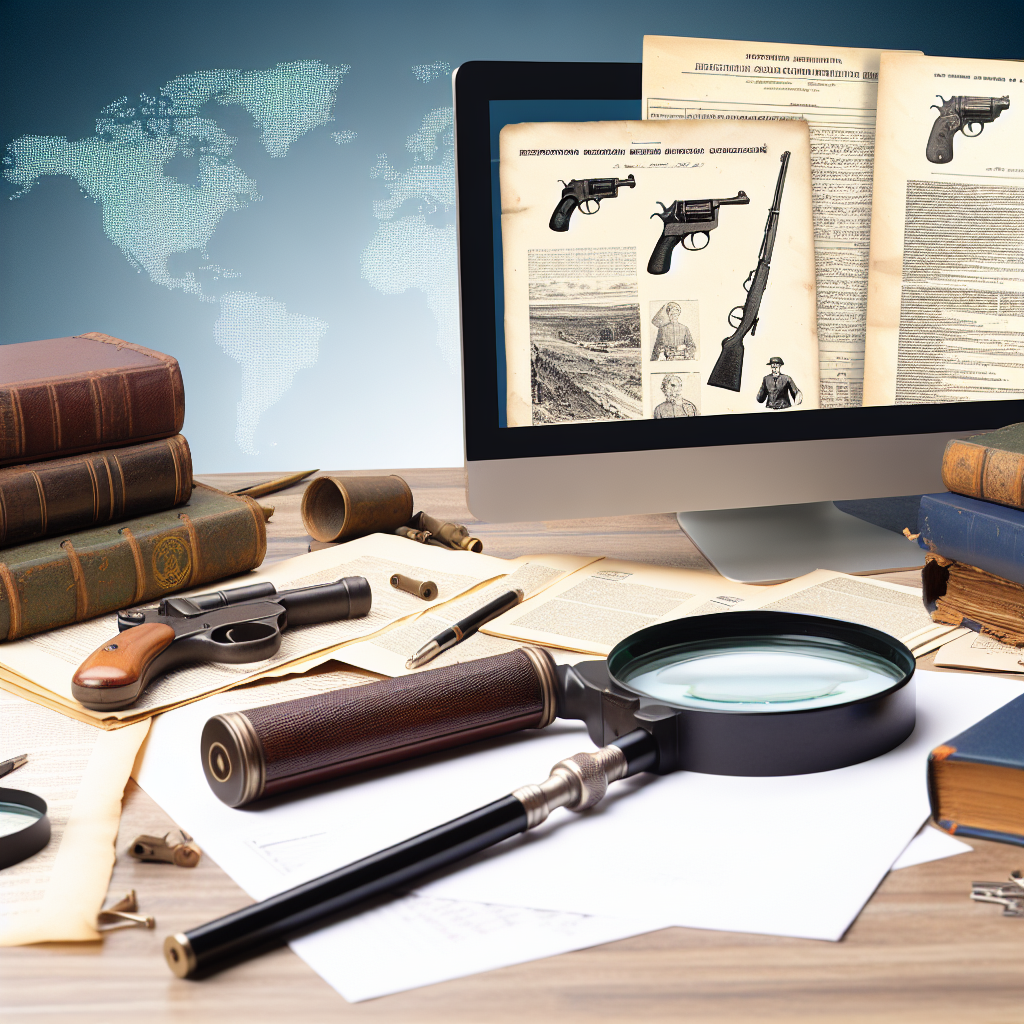
Understanding the provenance of a firearm is crucial for collectors, historians, law enforcement officials, and enthusiasts alike. Provenance refers to the history of ownership and origin of an item, and in the context of firearms, it provides insight into the weapon’s background, authenticity, and legal status. Whether you are verifying the legitimacy of a vintage rifle or tracing a weapon’s lineage for historical research, researching firearm provenance requires a methodical approach and access to reliable sources.
Why Provenance Matters: The Importance of Tracing Firearm History
The provenance of a firearm can significantly impact its value, legality, and cultural significance. Here are some reasons why researching provenance is essential:
- Authenticity Verification: Provenance helps confirm whether a firearm is genuine or a reproduction. This is especially important for antique weapons and limited-edition models.
- Legal Compliance: Tracing ownership ensures that the firearm has not been stolen or involved in criminal activity. It also verifies compliance with local and international firearms laws.
- Historical Insight: Many firearms have fascinating histories connected to wars, notable figures, or technological advancements. Provenance research can uncover these stories.
- Value Determination: A well-documented history often increases the monetary value of collectible firearms by reassuring buyers about authenticity and condition.
A study conducted by the National Shooting Sports Foundation (NSSF) found that firearms with documented provenance tend to retain up to 30% higher resale value compared to those lacking verifiable history.
Step 1: Examine Physical Characteristics and Markings
The first step in researching a firearm’s provenance is a thorough physical examination. Firearms often contain identifying marks that provide vital clues about their origin and history.
- Serial Numbers: Most modern firearms have unique serial numbers engraved on the frame or barrel. These numbers are essential for tracking manufacturing details and ownership records.
- Manufacturer’s Marks: Logos, proof marks, model numbers, and patent dates can help identify the maker and approximate production date.
- Inspection Stamps: Many countries require proof testing or inspection stamps to certify safety standards; these stamps can indicate place and time of manufacture.
- Custom Modifications: Look for engravings, initials, or aftermarket parts that might link the gun to previous owners or specific historical periods.
Example: The Colt Single Action Army revolver often features distinct proof marks from different arsenals such as the Springfield Armory or Colt’s Manufacturing Company. These details help narrow down when and where the gun was made.
Step 2: Utilize Manufacturer Records and Databases
The next step involves consulting official manufacturer records where available. Many firearm manufacturers maintain archives that include production logs linked to serial numbers.
- Contacting Manufacturers Directly: Some companies offer customer service departments dedicated to historical inquiries. For example, Smith & Wesson provides serial number lookup services through their website or customer service lines.
- Online Serial Number Databases: Various online platforms aggregate serial number data for specific brands or models. Websites like Blue Book of Gun Values or ProofHouse.net provide searchable databases for collectors.
- NICS and Law Enforcement Databases: The National Instant Criminal Background Check System (NICS) in the U.S., along with other law enforcement databases globally, can provide information on recent ownership transfers if accessible through proper channels.
A notable case study is the tracing of World War II firearms using manufacturer logs combined with military records to verify if certain rifles were issued to specific regiments. Researchers used Springfield Armory archives alongside military unit diaries to confirm provenance details.
Step 3: Search Historical Records and Archival Sources
If manufacturer data is insufficient—particularly with antique firearms—historical records become invaluable resources. These include military archives, auction house catalogs, estate inventories, newspapers, and personal correspondence collections.
- Military Service Records: Military-issued firearms often have traceable histories via service records or unit armory logs maintained by government archives such as the U.S. National Archives or UK National Archives.
- Auction Catalogs and Sales Receipts: Auction houses specializing in firearms frequently keep detailed records that include provenance notes on sold items. Reviewing past catalogs can reveal previous owners and sales dates.
- Museum Collections: Museums holding historic arms collections sometimes publish catalogs or digital databases accessible to researchers seeking provenance information.
- Court Documents & Police Reports: In some cases involving criminal investigations or disputes over ownership, legal documents can shed light on firearm histories.
Example: A rare Winchester Model 1873 rifle was traced back through probate records in Nevada showing it belonged to a famous frontier lawman in the late 19th century—a discovery that significantly increased its collectible value at auction.
Step 4: Leverage Expert Opinions and Community Resources
No amount of paperwork can replace expert knowledge when it comes to complex provenance cases.
Consulting qualified gunsmiths, historians specializing in arms, certified appraisers, or recognized collectors’ associations can provide invaluable insights into the firearm’s history and authenticity.
Thorough research and expert guidance can greatly enhance your understanding of a firearm’s provenance, making it a rewarding endeavor for collectors and enthusiasts alike.