The Impact of Firearms on Hunting Traditions
Hunting has been an intrinsic part of human culture for millennia, serving as a means of sustenance, survival, and social bonding. Over time, the tools and techniques used in hunting have evolved significantly, with firearms emerging as one of the most transformative inventions in this domain. The introduction of firearms revolutionized hunting practices, reshaping traditions, ethics, and even wildlife management. This article explores the multifaceted impact of firearms on hunting traditions, analyzing historical shifts, technological advancements, cultural implications, and ecological consequences.
The Evolution of Hunting Tools: From Spears to Firearms
Before the advent of firearms, hunting was predominantly conducted using primitive tools such as bows and arrows, spears, traps, and knives. These weapons demanded immense skill, patience, and physical prowess from hunters. The transition to firearms began around the 14th century with the development of early gunpowder weapons in Europe.
Firearms introduced several advantages over traditional weapons:
- Increased Range: Hunters could engage prey from greater distances compared to bows or spears.
- Greater Lethality: The power behind a bullet ensured quicker kills with less risk to the hunter.
- Improved Accuracy: With rifled barrels and sights developed over centuries, firearms allowed more precise targeting.
- Reduced Physical Strain: Unlike bows that required significant strength and stamina, firearms were easier to operate for longer periods.
This evolution fundamentally altered hunting traditions by making it more accessible to a broader population while also changing the skills hunters needed to master.
Cultural Shifts: How Firearms Changed Hunting Practices
The widespread adoption of firearms had profound cultural effects on hunting traditions worldwide. For many indigenous communities and early settlers, hunting was not merely about food procurement but also a spiritual practice intertwined with respect for nature and ancestral customs.
With firearms becoming common:
- Shift in Skillsets: Traditional tracking and close-range stalking skills gradually gave way to marksmanship and firearm maintenance knowledge.
- Democratization of Hunting: Previously exclusive hunting privileges held by nobility or warriors expanded as firearms lowered barriers to entry.
- Erosion of Rituals: Some cultures witnessed a decline in ceremonial aspects related to hunting due to faster kills and less reliance on group tracking methods.
- Introduction of Competitive Shooting: Firearms led to new forms of sport hunting such as target shooting and organized hunts emphasizing precision rather than endurance.
A poignant example is the transformation observed among Native American tribes post-European contact. Many tribes integrated firearms into their traditional hunts but also faced disruptions in their cultural practices due to colonial pressures and wildlife depletion caused by overhunting with guns.
The Ecological Impact: Firearms and Wildlife Populations
The increased efficiency offered by firearms has had significant ecological repercussions. While early hunters using bows or spears naturally limited their kills due to physical constraints, firearms enabled rapid harvesting that sometimes outpaced natural population regeneration rates.
This phenomenon contributed to several environmental challenges:
- Overhunting and Species Decline: Iconic species such as the American bison faced near-extinction in the 19th century due largely to mass slaughter facilitated by rifles and repeating guns.
- Disruption of Ecosystems: Depletion of key species altered food chains and habitat dynamics across various regions.
- Need for Regulation: Governments introduced game laws, seasons, bag limits, and licensing systems to curb excessive hunting enabled by advanced firearms technology.
An illustrative case is the passenger pigeon in North America. Once numbering in billions, this species was hunted extensively using shotguns during its massive flock migrations until it became extinct by the early 20th century — a stark warning about unsustainable hunting practices amplified by firearm use.
The Role of Firearms in Modern Hunting Ethics and Conservation
The legacy of firearms in hunting is complex; while they facilitated overexploitation historically, they also underpin many contemporary conservation strategies. Modern hunters often adhere to ethical codes emphasizing fair chase principles that balance effective harvesting with respect for animal welfare.
The integration of firearms into regulated hunting frameworks has contributed positively through:
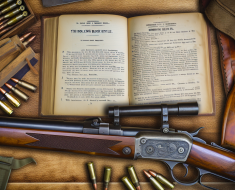
- Sustainable Harvesting: Modern rifles equipped with scopes allow hunters to make clean kills that minimize animal suffering.
- Wildlife Management Funding: Fees from firearm-based hunting licenses fund habitat restoration projects and anti-poaching efforts worldwide.
- Population Control: In regions where predators are scarce or ecosystems are imbalanced due to human activity, regulated hunting helps maintain healthy wildlife populations.
A noteworthy example is Africa’s trophy hunting industry where firearm use is tightly controlled under conservation guidelines. Revenues generated from licensed hunts contribute millions annually towards protecting endangered species habitats such as those for elephants and lions while supporting local communities economically.
The Technological Advancements: From Muskets to Smart Guns
The technological evolution of firearms continues shaping hunting traditions even today. Early muzzle-loading muskets gave way to breech-loading rifles with rifled barrels that dramatically improved range and accuracy during the 19th century.
Later developments included semi-automatic and automatic firearms, which have further transformed the hunting experience by increasing efficiency and effectiveness. As hunting traditions evolve, the balance between conservation and responsible firearm use remains crucial.