Collecting European Military Firearms: A Comprehensive Guide
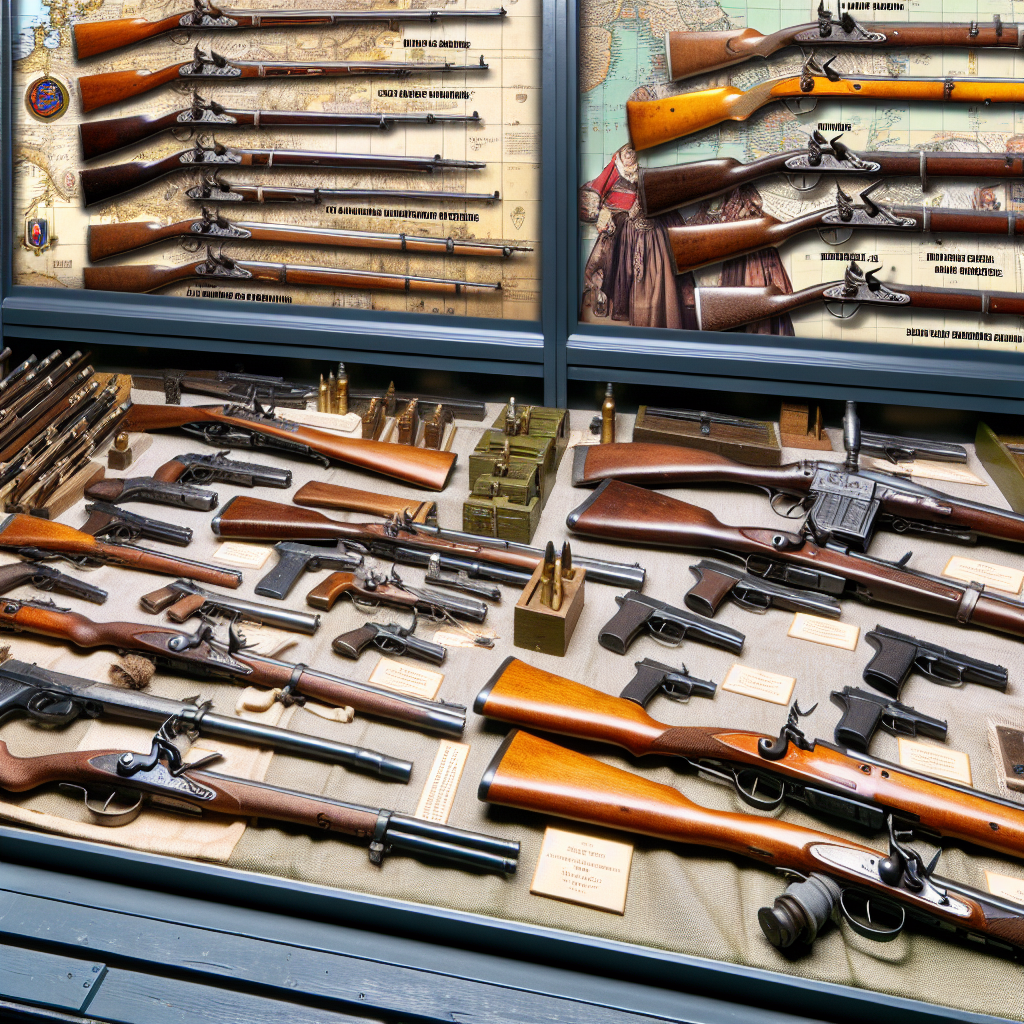
The fascination with military firearms is a timeless pursuit for collectors, historians, and enthusiasts worldwide. Among the many categories of collectible weapons, European military firearms hold a unique allure due to their rich historical significance, technological innovations, and diverse designs that span centuries. From the flintlock muskets of the Napoleonic era to the advanced assault rifles of the Cold War, European military firearms tell stories of conflict, craftsmanship, and cultural evolution.
This article explores the multifaceted world of collecting European military firearms, providing valuable insights into their history, types, collecting tips, legal considerations, and preservation techniques. Whether you are an aspiring collector or a seasoned enthusiast, understanding these aspects will enhance your appreciation and stewardship of these remarkable artifacts.
Historical Significance of European Military Firearms
European military firearms have played pivotal roles in shaping modern warfare and geopolitical landscapes. The continent’s tumultuous history—with its numerous wars, revolutions, and colonial expansions—has driven continuous innovation in firearm design.
From the 16th century onward, Europe witnessed significant technological advancements in firearm mechanisms:
- Muskets and Flintlocks: Early military firearms like the arquebus and musket transformed infantry tactics during the Renaissance and early modern period. The flintlock mechanism became standard in the 17th and 18th centuries due to its reliability over earlier matchlocks.
- Breech-loading Rifles: The mid-19th century saw a revolution with breech-loading rifles such as the British Snider-Enfield (1866) and French Chassepot (1866), which increased rate of fire and ease of loading.
- Repeating Rifles and Machine Guns: Innovations like the German Mauser Model 1871 rifle and Maxim machine gun ushered in new eras of firepower leading up to World War I.
- Assault Rifles: Post-World War II developments include iconic models such as the AK-47 (Soviet Union/Russia) influencing Warsaw Pact countries and the Heckler & Koch G3 from Germany representing NATO standards.
The historical context imbues each firearm with stories beyond its mechanical function—reflecting national pride, military doctrine shifts, and industrial capabilities. Collectors often seek weapons linked to significant battles or notable manufacturers like FN Herstal (Belgium), Mauser (Germany), or Webley & Scott (United Kingdom).
Popular Types of European Military Firearms Among Collectors
The diversity of European military firearms offers collectors a wide range of options depending on interests, budget, and specialization. Below are some key categories that attract enthusiasts:
- Muskets and Smoothbore Weapons: These early firearms include models such as the French Charleville musket (M1777), British Brown Bess musket, and Russian Model 1845 musket. They are prized for their historical value despite often being less practical for shooting.
- Bolt-Action Rifles: Widely used during World Wars I and II, examples include:
- German Mauser Gewehr 98
- British Lee-Enfield SMLE
- Soviet Mosin-Nagant M1891
These rifles are favored for their accuracy, robust design, and combat legacy.
- Semi-Automatic Rifles: Models such as the French MAS-49 or German G41 represent transitional designs offering semi-automatic fire capability.
- Submachine Guns: Iconic weapons like the British Sten gun or German MP40 reflect rapid-fire close combat arms used extensively during WWII.
- Assault Rifles: Post-WWII designs such as:
- The Soviet AK-47 and its variants
- The Belgian FN FAL (“The Right Arm of the Free World”)
- The German Heckler & Koch G3
These rifles are highly sought after for their impact on modern warfare.
Additionally, sidearms such as the Luger P08 (Germany), Webley revolvers (UK), or French MAS pistols add depth to collections focusing on personal defense weapons.
Navigating Legal Considerations When Collecting Military Firearms in Europe
The legal landscape surrounding firearm collection varies significantly across European countries due to differing national laws aimed at balancing public safety with cultural heritage preservation. Collectors must thoroughly research local regulations before acquiring any firearm.
Key Legal Factors Include:
- Licensing Requirements: Many countries require specific licenses or permits for owning deactivated firearms or those classified as antique versus operational guns.
- Deactivation Standards: Laws often mandate that collectible firearms be rendered permanently non-functional by certified gunsmiths if they are not licensed as working weapons.
- Ammunition Restrictions: Even if ownership is allowed, restrictions on ammunition possession can limit shooting opportunities.
- Cultural Heritage Protections: Some countries classify certain historic arms as protected artifacts requiring special permissions for export or sale.
Collectors must navigate these complexities to ensure compliance while building their collections responsibly.
Understanding the legal landscape is essential for any serious collector in Europe.