The History and Collectibility of the Mauser Rifle
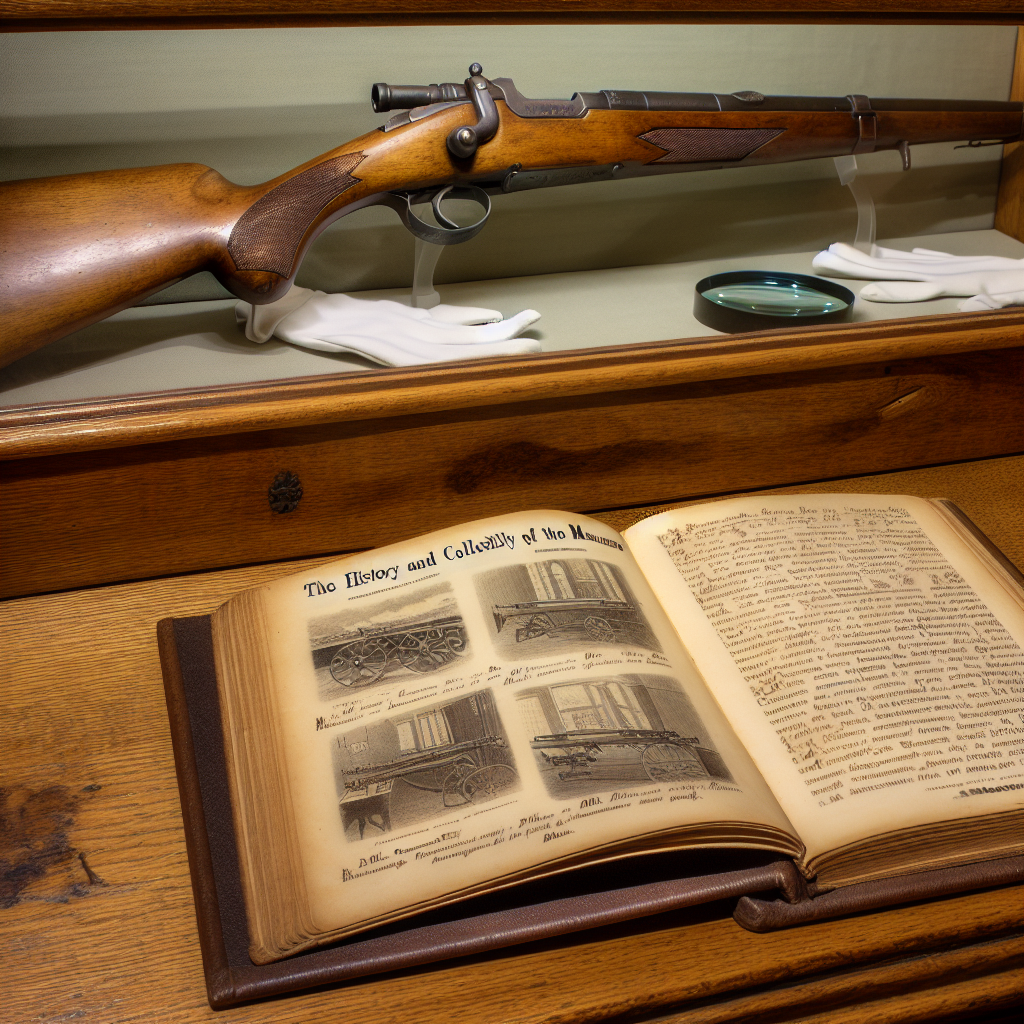
The Mauser rifle stands as one of the most iconic and historically significant firearms ever produced. Revered for its engineering excellence, reliability, and influence on global small arms development, the Mauser has left an indelible mark on military history and firearm collecting communities worldwide. This article delves into the fascinating history of the Mauser rifle, exploring its evolution, technical innovations, and why it remains a prized collector’s item today.
Origins and Development: The Birth of a Legend
The story of the Mauser rifle begins in the late 19th century with the German brothers Wilhelm and Paul Mauser. As skilled gunsmiths from Oberndorf am Neckar, Germany, they sought to improve upon existing bolt-action rifle designs to create a more reliable, accurate, and faster-firing weapon.
In 1871, their first major success came with the introduction of the Mauser Model 1871. This single-shot rifle was adopted by the German Empire as its standard infantry weapon. However, it was just the beginning of what would become a long legacy of innovation.
By 1898, after years of refinement and testing, the Mauser Model 98 was introduced. This model incorporated revolutionary features such as:
- A controlled-feed bolt action that enhanced reliability by securely holding cartridges during cycling.
- A strong yet simple locking system with dual front locking lugs providing exceptional strength under pressure.
- An internal box magazine capable of holding five rounds and easily loaded via stripper clips.
The Model 98’s robust design set new standards for military rifles worldwide and was rapidly adopted by the German Imperial Army just before World War I.
Technical Innovations That Set Mauser Apart
The enduring legacy of the Mauser rifle lies largely in its technical innovations. Many modern bolt-action rifles owe their design principles to Wilhelm Mauser’s work. Some key innovations include:
- Controlled-Feed Bolt Action: Unlike push-feed systems that can cause double feeds or jams, controlled-feed ensures each cartridge is securely gripped from magazine to chamber. This made the rifle exceptionally reliable under battlefield conditions.
- Strong Locking System: The two massive front locking lugs provided a secure lockup capable of handling high-pressure cartridges safely—one reason why many modern hunting rifles mimic this design.
- Stripper Clip Loading: The internal magazine could be quickly loaded using stripper clips, speeding up reload times significantly compared to earlier single-shot rifles.
- Simplified Field Stripping: The rifle could be easily disassembled for cleaning without specialized tools—a crucial feature for soldiers operating in harsh environments.
These innovations made the Mauser not only one of the most effective military rifles but also a favorite among civilian shooters and hunters after its military service ended.
The Global Impact: From German Battlefields to Worldwide Use
The influence of the Mauser design extended far beyond Germany’s borders. Throughout the late 19th and early 20th centuries, numerous countries adopted or adapted versions of the Mauser rifle for their own armed forces. Some notable examples include:
- Spain: Produced licensed versions like the Spanish Model 1893 and later models that saw extensive use in conflicts such as the Spanish-American War and Spanish Civil War.
- Ottoman Empire/Turkey: Utilized various Mauser models including those chambered in unique calibers tailored to their requirements.
- South America: Nations such as Argentina, Chile, Colombia, and Brazil adopted customized Mausers known collectively as “Latin American Mausers.” These variants often featured different calibers like 7mm or .30-06 Springfield adaptations.
- Japan: Though Japan developed its own Arisaka rifle family, it initially drew inspiration from German bolt-action designs including aspects influenced by Mauser technology.
The widespread adoption helped cement Mauser’s reputation as a premier bolt-action platform worldwide. Even after World War I, many surplus Mausers were sold internationally or converted for civilian use due to their proven reliability.
The Role of Mauser Rifles in Major Conflicts
The true test of any military firearm is its performance during combat—and here too, the Mauser excelled repeatedly through multiple global conflicts.
- World War I: The Gewehr 98 (the official designation for Germany’s standard issue) equipped millions of soldiers on both Western and Eastern fronts. Its accuracy at long ranges made it formidable in trench warfare sniping roles as well as general infantry use.
- World War II: The Karabiner 98k (K98k), a shortened version derived from earlier models, became Germany’s primary infantry rifle throughout WWII. Its ruggedness allowed it to function effectively in diverse theaters from North Africa deserts to Eastern European winters.
- Civil Wars and Guerilla Conflicts: Surplus Mausers found new life in countless post-war conflicts across Asia, Africa, Latin America, and Europe—often favored due to availability and ease of maintenance.
This extensive combat pedigree contributes significantly to collectors’ fascination with various Mauser models today—each representing a unique chapter in military history.
As a result, the Mauser rifle remains a sought-after item for enthusiasts and historians alike.