How to Start a Firearm Collection on a Budget
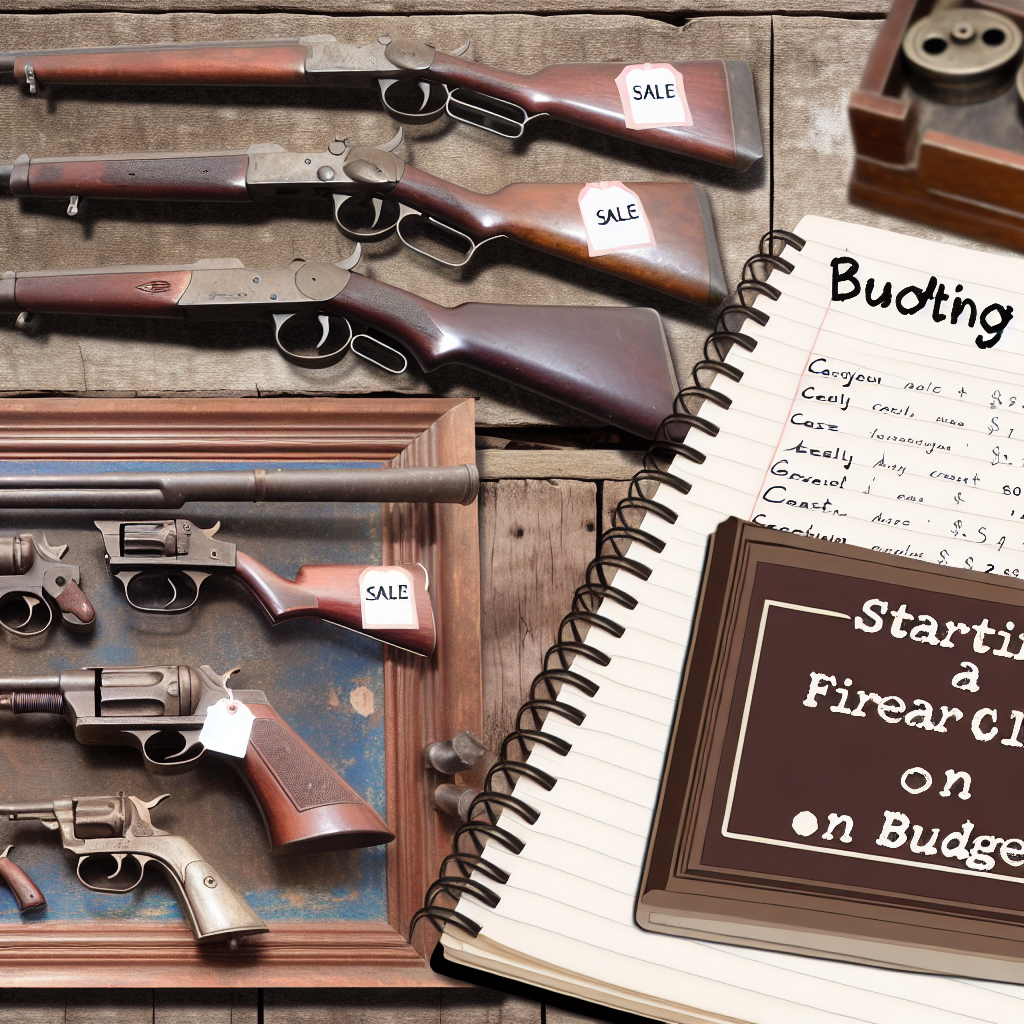
Starting a firearm collection can be a rewarding hobby that blends history, craftsmanship, and personal interest. However, the perception that collecting firearms requires deep pockets often discourages beginners. The truth is, with careful planning, research, and patience, you can build an impressive collection without breaking the bank. This article explores practical strategies to start a firearm collection on a budget while ensuring safety, legality, and enjoyment.
Understanding the Basics: What Does It Mean to Collect Firearms?
Before diving into the world of firearm collecting, it’s important to understand what the hobby entails. A firearm collection isn’t just about amassing guns; it’s about curating pieces that have historical significance, unique design features, or personal meaning.
Collections can focus on various themes such as:
- Military firearms from specific wars or eras
- Vintage revolvers or pistols
- Modern tactical rifles
- Firearms manufactured by specific makers or countries
- Rare or limited edition models
The key is to identify your interest area early on. This focus will help guide your purchases and make your collection more meaningful and manageable over time.
Setting a Budget: How Much Should You Spend?
One of the most critical steps in starting any collection is setting a realistic budget. Firearms vary widely in price—from affordable .22 caliber rifles under $200 to rare collectible pieces worth thousands or even tens of thousands of dollars.
A good starting budget for new collectors might range between $500 and $1500 initially. This range allows for purchasing several quality firearms without overspending. According to data from the National Shooting Sports Foundation (NSSF), the average price for common entry-level rifles and handguns typically falls between $300 and $700.
To maximize your budget:
- Prioritize quality over quantity: A few well-maintained firearms are better than many poor-quality ones.
- Factor in additional costs: Don’t forget ammunition, cleaning supplies, secure storage (like gun safes), and licensing fees.
- Create a savings plan: Set aside funds regularly to build your collection incrementally rather than making impulsive purchases.
Researching Smart Buys: Finding Value in Every Purchase
A successful budget-conscious collector knows how to find value in every purchase through research and timing. Here are some tips to help you acquire firearms without overspending:
- Buy used firearms: The used market often offers excellent deals on quality guns. Platforms like GunBroker.com, local gun shops with consignment sales, and gun shows are great places to find used firearms at reduced prices.
- Look for classic but affordable models: Certain models like the Ruger 10/22 rifle or Smith & Wesson Model 10 revolver are reliable and reasonably priced classics that make excellent starter pieces.
- Avoid “collector hype” items initially: Rare or highly sought-after firearms command premium prices. Build your foundational knowledge before chasing high-value pieces.
- Attend gun shows and auctions: These venues often have competitive pricing and opportunities for bargaining. Networking with dealers can also lead to insider knowledge on upcoming deals.
- Use online resources wisely: Websites such as Armslist.com offer listings from private sellers who may be willing to negotiate prices compared to retail stores.
Case Study:
A novice collector named James started his collection with just $800. He purchased a used Ruger Mark II .22 pistol from an online auction for $350, a surplus military bolt-action rifle for $300 at a local gun show, and spent the remaining $150 on cleaning kits and ammunition. Over two years, James expanded his collection slowly by trading and upgrading individual pieces without exceeding his initial budget.
Navigating Legal Requirements Without Breaking the Bank
The legal landscape around firearm ownership varies significantly depending on your country, state, or province. Understanding these laws is essential before making any purchase.
The cost of compliance—such as background checks, permits, licensing fees, and safe storage—can add up quickly if not planned for properly.
- Research local laws thoroughly: Visit official government websites or consult with licensed dealers to understand all necessary legal steps involved in purchasing and owning firearms legally.
- Budget for registration fees and permits: These often range from $20-$100 but vary widely based on jurisdiction.
- Avoid illegal purchases: Buying “off the books” might seem cheaper but can result in severe legal penalties that far outweigh initial savings.
- Invest in secure storage solutions: Proper gun safes or lockboxes protect your investment from theft while ensuring compliance with many safety laws. Basic models can start around $100-$200 depending on size and security features.
Caring for Your Collection: Maintenance Tips That Save Money
A well-maintained firearm holds its value better over time and remains safer to operate.
Neglecting maintenance can lead to costly repairs or render your firearms unsafe. With careful planning and attention to detail, you can build a valuable collection without breaking the bank.