How to Maintain Tactical Firearms in Harsh Conditions
Tactical firearms are essential tools for military personnel, law enforcement officers, and outdoor enthusiasts. Their reliability can mean the difference between success and failure in critical situations. However, harsh environmental conditions such as extreme cold, heat, humidity, sand, and saltwater exposure can quickly degrade firearm performance. Proper maintenance is crucial to ensure these weapons remain operational and safe.
This article delves into comprehensive strategies for maintaining tactical firearms under demanding conditions. Drawing from expert recommendations, military protocols, and real-world case studies, readers will gain practical insights to protect their firearms from environmental damage.
Understanding the Impact of Harsh Environments on Tactical Firearms
Before exploring maintenance techniques, it’s important to understand how various environmental factors affect tactical firearms. Each condition presents unique challenges that can accelerate wear or cause malfunctions if not properly managed.
- Sand and Dust: Fine particles can infiltrate the firearm’s moving parts, causing abrasion and jamming.
- Saltwater and Humidity: Salt accelerates corrosion on metal surfaces, while high humidity promotes rust formation.
- Extreme Cold: Low temperatures thicken lubricants and may cause metals to contract, affecting tolerances.
- Extreme Heat: Excessive heat can degrade lubricants and warp components over time.
- Rain and Moisture: Water intrusion can cause rusting and may impair firing mechanisms if not addressed promptly.
A notable example is the U.S. military’s experience during deployments in desert environments such as Iraq and Afghanistan. Soldiers often encountered dusty conditions that clogged weapon systems like the M4 carbine. Studies by the U.S. Army Research Laboratory highlighted how abrasive dust caused increased wear rates on bolt carrier groups when proper cleaning was delayed.
Essential Tools and Supplies for Field Maintenance
Successful firearm maintenance in harsh environments depends heavily on having the right tools at hand. Tactical operators must prepare kits tailored to expected conditions to facilitate timely care of their weapons.
- Cleaning Kits: Comprehensive kits should include bore brushes, cleaning rods or cables, patches, chamber brushes, and picks for carbon removal.
- Lubricants: Use environment-specific lubricants — synthetic oils for cold weather that resist thickening; water-displacing oils like CLP (Clean, Lubricate, Protect) in humid or wet conditions; dry lubricants such as molybdenum disulfide powder for sandy environments.
- Protective Covers: Waterproof cases or gun socks help shield firearms during transport or downtime.
- Microfiber Cloths & Towels: For wiping down moisture or debris without scratching surfaces.
- Rust Inhibitors: Products containing corrosion inhibitors are vital when operating near saltwater or high humidity zones.
A field report from Navy SEAL teams operating in maritime environments emphasized the use of marine-grade lubricants combined with aggressive cleaning routines after every mission to counteract salt-induced corrosion. This regimen significantly reduced weapon failures during prolonged deployments aboard ships and coastal areas.
Step-by-Step Maintenance Procedures for Different Conditions
The key to effective maintenance lies in adapting procedures based on the specific environment. Below are detailed guidelines tailored to common harsh scenarios:
Sandy or Dusty Environments
-
Avoid unnecessary exposure by using covers or dust caps when weapons are idle.
-
Burst cleanings: Perform partial cleanings between engagements focusing on clearing dust from rails, bolts, magazines well, and trigger assemblies using compressed air or gentle brushing if available.
-
A thorough cleaning after every operation is mandatory—disassemble bolt carrier groups to remove embedded sand particles before applying lubricant.
-
Select dry lubricants that attract less dirt while maintaining smooth function under abrasive conditions.
Saltwater or High Humidity Conditions
-
Clean immediately after exposure with fresh water rinse followed by thorough drying using absorbent cloths or air drying methods.
-
Apply corrosion inhibitors generously on all metal parts after cleaning; focus especially on springs and internal components prone to rusting.
-
Avoid storing weapons wet—if unavoidable, use silica gel packets or desiccant pouches inside storage cases to absorb moisture.
-
Create a routine inspection schedule during missions lasting several days in these environments to catch early signs of corrosion before they worsen.
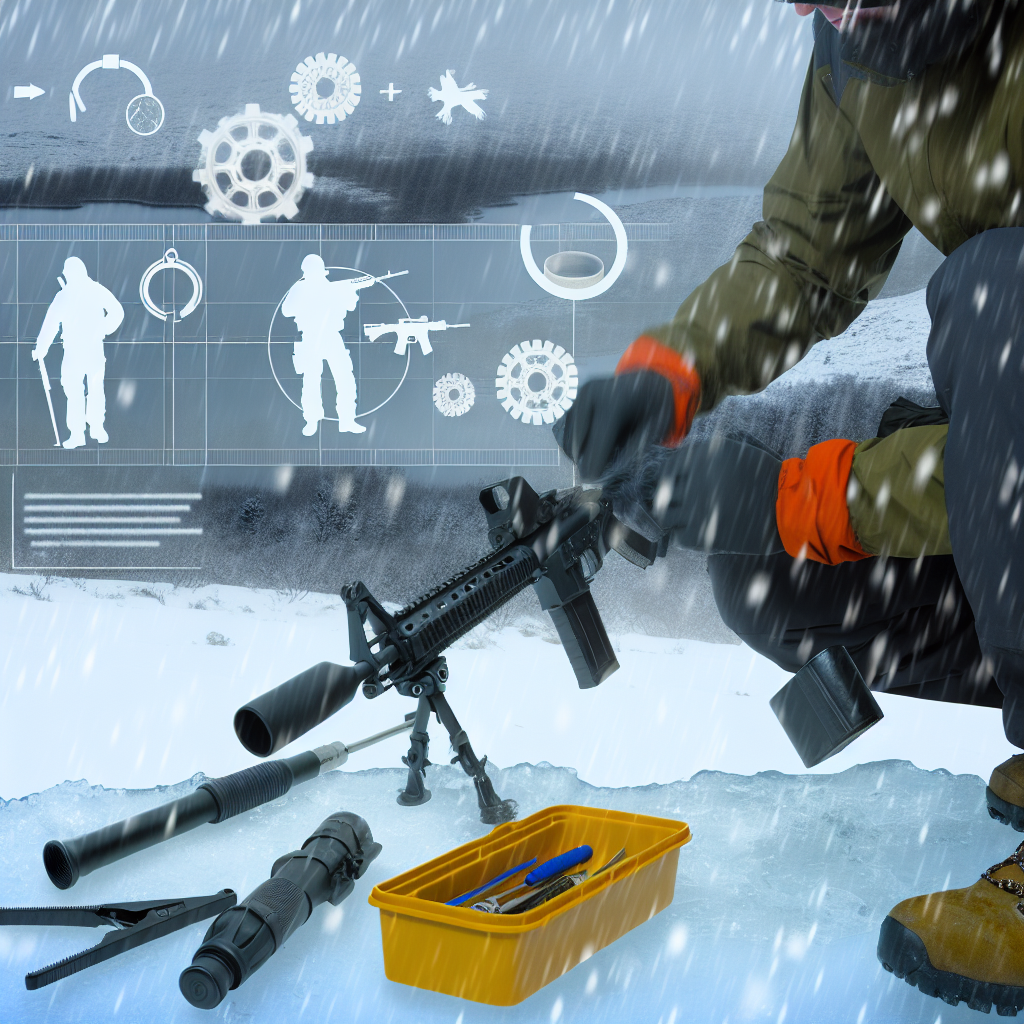
Extreme Cold Weather Maintenance
-
Select low-temperature synthetic lubricants designed not to thicken at subzero temperatures—these maintain consistent performance despite freezing conditions.
-
Avoid over-lubrication which can attract ice formation; use sparingly but strategically at friction points like rails and bolt interfaces.
-
If possible, keep weapons warm when not in use by storing them close to body heat or inside insulated pouches to reduce contraction effects on metal tolerances.
-
Cautiously perform function checks as cold weather can cause malfunctions in the weapon’s operation.
By following these maintenance tips, you can ensure your tactical firearms remain reliable even in the harshest conditions.