How to Use Tactical Gear for Personal Protection
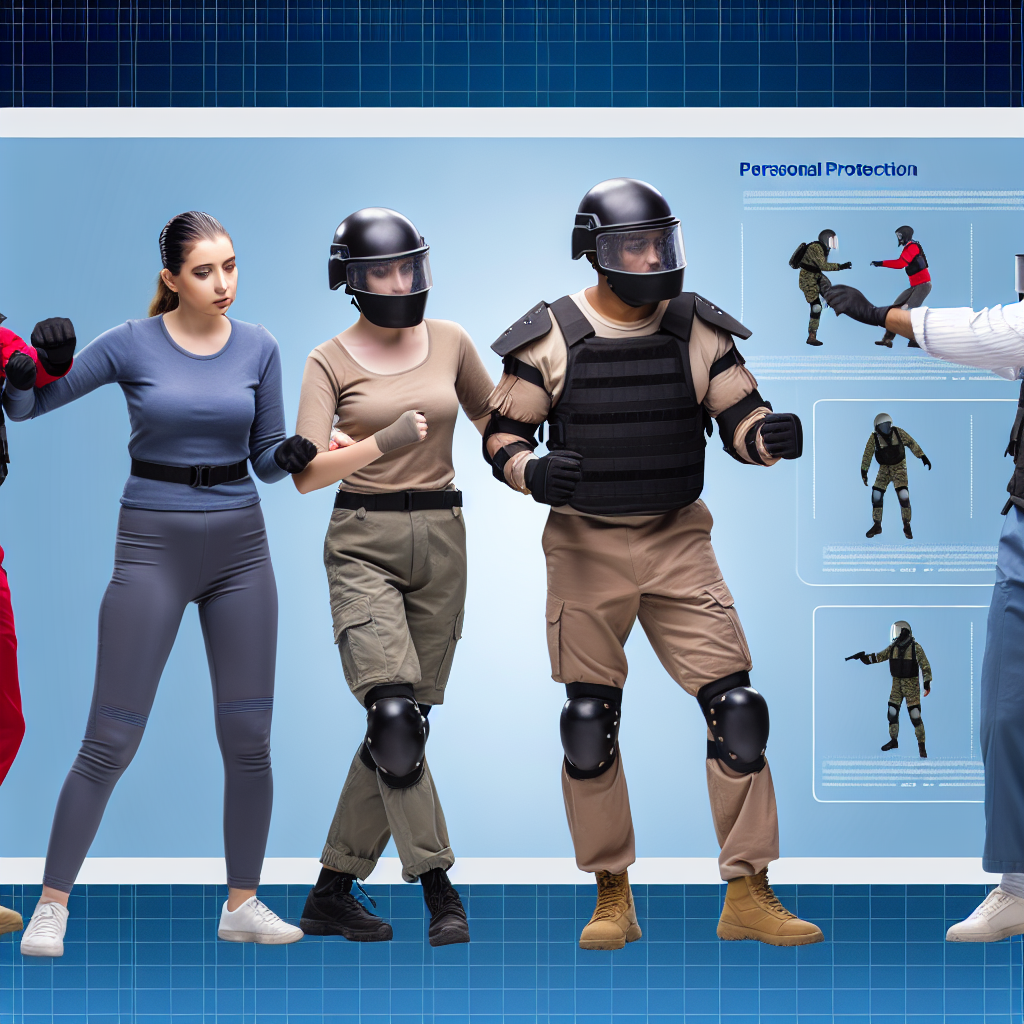
In today’s unpredictable world, personal safety is a paramount concern for many individuals. Whether you are an outdoor enthusiast, a security professional, or someone simply looking to increase your preparedness, tactical gear can play a crucial role in enhancing your personal protection. Tactical gear encompasses a wide range of equipment designed originally for military and law enforcement use but has increasingly become accessible and practical for civilian use.
This article delves into how to effectively use tactical gear for personal protection, highlighting key types of equipment, best practices for their application, and the psychological and physical benefits they provide. By understanding how to select and utilize tactical gear appropriately, you can significantly improve your ability to protect yourself in various scenarios.
Understanding Tactical Gear: What It Is and Why It Matters
Tactical gear refers to specialized equipment designed to offer durability, versatility, and functionality in demanding situations. Unlike standard outdoor or casual gear, tactical equipment is engineered to meet rigorous standards that ensure reliability under stress. This includes features such as reinforced materials, modular designs, and ergonomic enhancements.
Some common examples of tactical gear include:
- Body armor and ballistic vests
- Tactical backpacks and pouches
- Multi-tools and knives
- Flashlights with high lumens output
- Communication devices like radios
- Protective gloves and eyewear
- Holsters and weapon accessories
The importance of tactical gear lies in its ability to provide protection while maintaining mobility and comfort. For instance, a ballistic vest can offer life-saving protection against certain threats without significantly hindering movement when properly fitted.
Selecting the Right Tactical Gear for Personal Protection
The first step in using tactical gear effectively is selecting the right equipment tailored to your specific needs. Personal protection requirements vary widely depending on factors such as environment, potential threats, physical condition, and legal considerations.
Here are some critical considerations when choosing tactical gear:
- Threat Assessment: Evaluate the types of threats you may encounter. For example, urban self-defense might require lightweight body armor designed to stop handgun rounds, whereas wilderness survival could necessitate durable multi-tools and first aid kits.
- Legal Restrictions: Laws governing the possession and use of certain protective gear vary by jurisdiction. Some states or countries restrict ballistic vests or carry permits for weapons; understanding these laws is essential to avoid legal complications.
- Comfort and Fit: Tactical gear should be comfortable enough for extended wear without causing fatigue or restricting movement. Adjustable straps, breathable fabrics, and ergonomic designs contribute significantly to usability.
- Durability: Look for high-quality materials such as Cordura nylon or Kevlar that offer resistance against abrasions, tears, and environmental elements like water or heat.
- Modularity: Many tactical items come with modular attachments (e.g., MOLLE systems) that allow customization based on mission parameters or personal preferences.
- User Skill Level: Some tactical equipment requires training to use effectively—such as firearms accessories or communication devices—so consider your familiarity before purchasing.
Case Study: A survey conducted by the National Institute of Justice found that over 70% of police officers credited their ballistic vests with preventing serious injury during violent encounters. This underscores how appropriate gear selection aligned with threat profiles can be lifesaving.
The Core Tactical Gear Components for Personal Protection
The most effective personal protection setup often involves a combination of several pieces of tactical gear working together seamlessly. Below are core components every individual should consider incorporating into their personal safety kit:
1. Body Armor
Description: Body armor typically consists of soft armor panels made from Kevlar or ultra-high-molecular-weight polyethylene (UHMWPE), sometimes combined with hard plates made from ceramic or steel. These provide resistance against bullets or shrapnel depending on the rating.
Usage Tips:
- Select armor rated at least NIJ Level IIIA for handgun protection; higher levels are necessary for rifle threats.
- Ensure proper fit—armor should cover vital organs without restricting breathing or arm movement.
- Avoid wearing visibly under clothing unless concealment is required; this reduces attention from potential assailants.
2. Tactical Backpack / Bug-Out Bag
A well-organized backpack can hold essential survival tools including first aid supplies, water purification tablets, food rations, navigation aids (maps/compass), communication devices, flashlights, and multi-tools.
- MOLLE-compatible backpacks allow you to add pouches customized to your needs.
- Select backpacks with padded straps and ventilation systems for comfort during prolonged wear.
- Kits should be regularly reviewed and updated based on seasonal changes or evolving threats.
3. Multi-Tools & Knives
A versatile multi-tool equipped with pliers, screwdrivers, scissors, wire cutters, etc., enables you to perform emergency repairs or self-defense if necessary. Fixed-blade knives provide reliable cutting power in survival situations but require proper training regarding safe handling.</