How to Use Tactical Helmets Effectively
Tactical helmets have become an essential piece of equipment for military personnel, law enforcement officers, and outdoor enthusiasts alike. Designed to provide protection against ballistic threats, blunt impacts, and environmental hazards, these helmets also offer versatility through modular attachments and enhanced communication capabilities. However, owning a tactical helmet is only the beginning; using it effectively requires understanding its features, proper maintenance, and adopting best practices in various operational contexts.
This article delves into the comprehensive use of tactical helmets, highlighting their types, fitting techniques, integration with other gear, and real-world applications backed by examples and statistics. Whether you are a soldier preparing for deployment or a tactical enthusiast upgrading your gear, this guide will equip you with the knowledge needed to maximize your helmet’s potential.
Understanding Tactical Helmets: Types and Features
Before diving into usage techniques, it’s crucial to understand what makes a tactical helmet different from a regular helmet. Tactical helmets are designed to provide ballistic protection while supporting additional functionalities such as mounting night vision devices or communication systems.
- Ballistic Helmets: These helmets are made from high-strength materials like Kevlar or ultra-high-molecular-weight polyethylene (UHMWPE). They provide protection against bullets, shrapnel, and fragmentation. Examples include the Advanced Combat Helmet (ACH) used by U.S. forces.
- Non-Ballistic Helmets: Often referred to as bump helmets or patrol helmets, these protect primarily against blunt force trauma and are lighter than ballistic variants. They are typically used in situations where ballistic threats are minimal but head injuries remain a risk.
- Modular Helmets: Modern tactical helmets often come with rails and Velcro patches allowing users to attach accessories like cameras, lights, communication headsets, and face shields. This adaptability enhances operational effectiveness.
According to the U.S. Army Research Laboratory, soldiers wearing ballistic helmets saw a significant reduction in fatal head injuries during combat operations—ballistic helmets can reduce head injury risk by up to 75% in certain scenarios.
Proper Fitting and Wearing Techniques
The effectiveness of a tactical helmet depends greatly on how well it fits the wearer. An ill-fitting helmet can lead to discomfort, reduced protection, and hindered mobility.
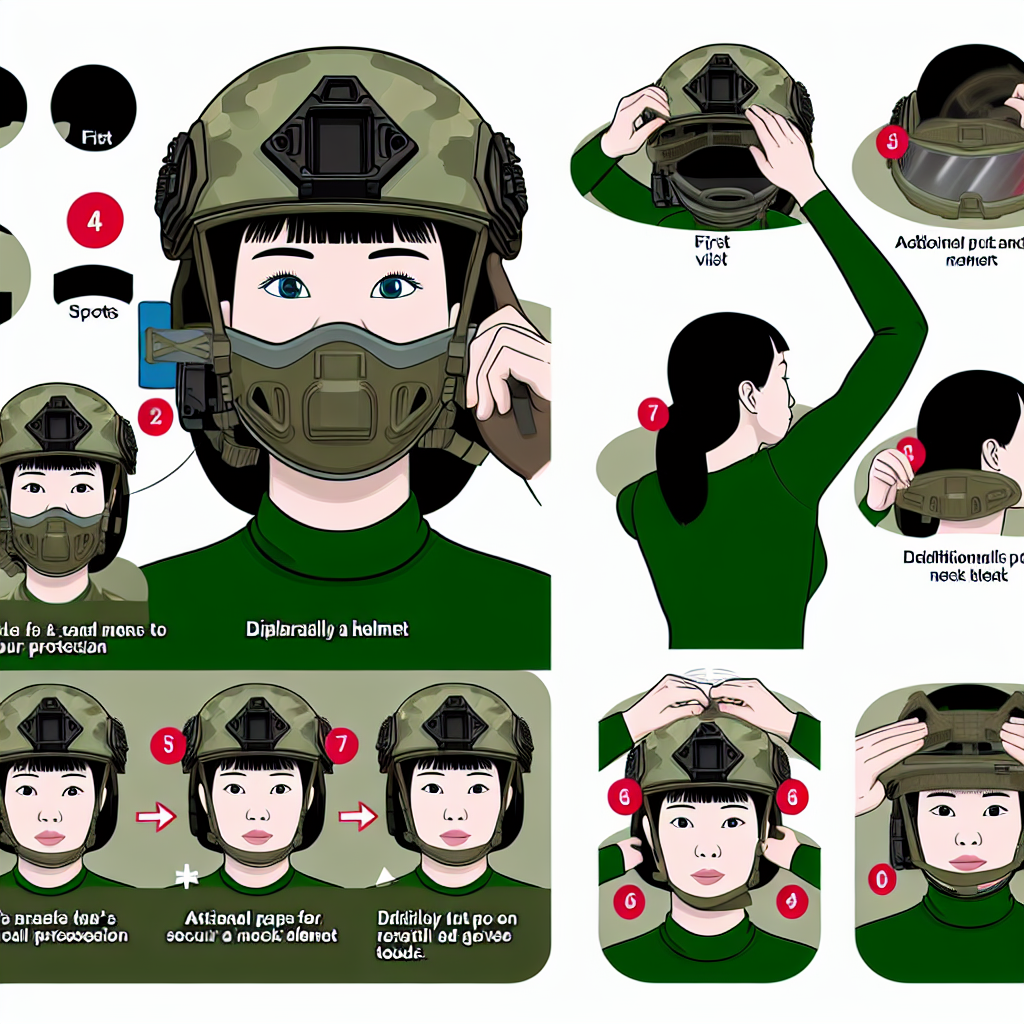
- Measure Your Head Correctly: Use a flexible tape measure around the widest part of your head—just above the eyebrows—to determine your helmet size accurately.
- Adjust Padding: Modern tactical helmets come with adjustable internal padding systems that allow for customization according to head shape and size. Proper padding ensures even weight distribution and prevents movement during sudden motions.
- Secure Straps Properly: Chin straps must be snug but not overly tight. A loose strap can cause the helmet to shift during impact while an overly tight strap can cause discomfort or restrict breathing.
- Check Helmet Positioning: The helmet should sit level on your head without tilting forward or backward. It should cover the forehead adequately without obstructing vision.
A study conducted by the National Institute for Occupational Safety and Health (NIOSH) found that soldiers who underwent proper helmet fitting procedures experienced fewer instances of concussion-related symptoms post-impact compared to those with poorly fitted helmets.
Integrating Tactical Helmets with Other Gear
The true power of tactical helmets lies in their ability to integrate seamlessly with other equipment necessary for modern combat or law enforcement operations.
- Night Vision Goggles (NVG): Many tactical helmets feature shroud mounts that allow easy attachment of NVG devices. This capability is vital for night operations where visibility is limited.
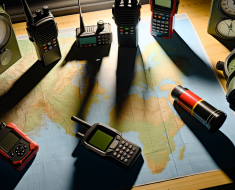
- Communication Headsets: Integrated headset rails enable users to mount noise-canceling ear protection combined with radios for clear communication amidst chaotic environments.
- Face Shields and Visors: In riot control or hazardous environments, attaching face shields provides additional protection against chemical agents or debris without sacrificing mobility.
- Tactical Lights & Cameras: Mounted lights assist in low-light navigation while action cameras record missions for after-action reviews or training purposes.
An example is the U.S. Special Operations Command’s use of advanced modular helmets equipped with both NVGs and communication systems during Operation Neptune Spear in 2011—the raid that resulted in the capture of Osama bin Laden—demonstrating how integrated gear enhances mission success rates dramatically.
Tactical Helmet Maintenance: Ensuring Longevity and Reliability
A well-maintained helmet performs better under stress and lasts longer. Maintenance is not just about cleanliness but also about inspecting structural integrity regularly.
- Routine Cleaning: Use mild soap and water to clean both external shell surfaces and internal padding regularly after use—especially if exposed to sweat or dirt.
- Inspect for Damage: Look for cracks, dents, or compromised areas on the shell that may reduce protective capability. Replace any damaged components immediately.
- Check Straps and Buckles: Ensure all straps are intact without fraying; buckles should fasten securely without malfunctioning under pressure.
- Avoid Excessive Heat Exposure: Prolonged exposure to sunlight or heat sources can degrade materials
Avoid Excessive Heat Exposure: Prolonged exposure to sunlight or heat sources can degrade materials, compromising the helmet’s effectiveness. Regular maintenance ensures your tactical helmet remains reliable and ready for action.