How to Build a Tactical First Aid Kit
In an unpredictable world, being prepared for emergencies is not just wise—it can be life-saving. A tactical first aid kit is an essential tool for anyone who spends time outdoors, works in high-risk environments, or simply wants to be ready for unforeseen medical emergencies. Unlike standard first aid kits, tactical kits are designed with specific priorities: rapid response, durability, and functionality under stress. This article will guide you through the process of building a comprehensive tactical first aid kit that meets professional standards and practical needs.
Understanding the Purpose of a Tactical First Aid Kit
Before assembling your kit, it’s crucial to understand what sets a tactical first aid kit apart from conventional ones. Tactical kits are primarily used by military personnel, law enforcement officers, emergency responders, and outdoor enthusiasts who may face severe injuries such as trauma wounds or bleeding control situations.
According to the American College of Surgeons’ Committee on Trauma, rapid hemorrhage control is the most critical factor in saving lives during traumatic injury incidents. Tactical kits focus heavily on items that address this need, alongside other essential medical supplies.
- Prioritizing Life-Threatening Injuries: These include severe bleeding, airway obstruction, and shock.
- Durability and Portability: The kit should withstand harsh environments and be easy to carry or attach to gear.
- Ease of Access: Supplies must be organized for quick retrieval under stress.
Understanding these priorities will shape what items you include and how you organize your tactical first aid kit.
Essential Components of a Tactical First Aid Kit
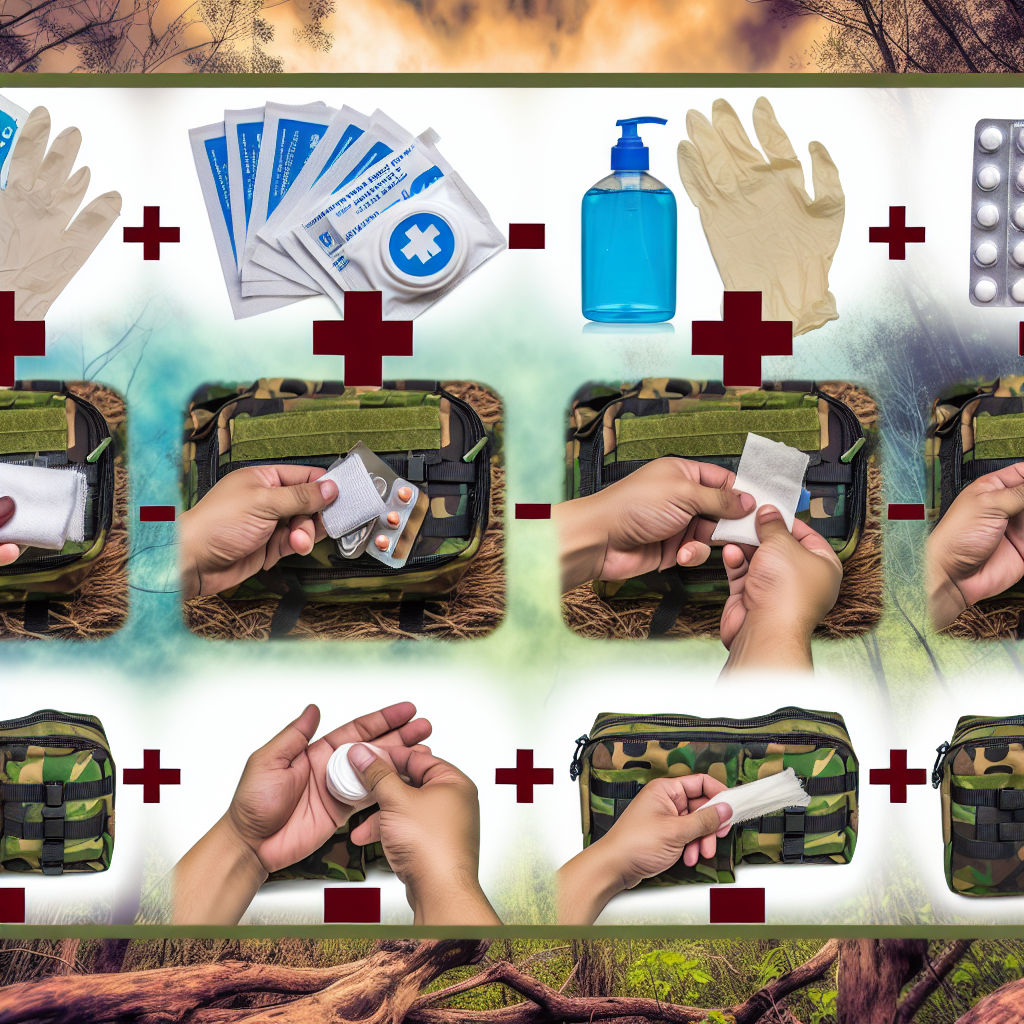
A well-rounded tactical first aid kit contains both general medical supplies and specialized trauma gear. Here’s an overview of key components based on recommendations from the National Association of Emergency Medical Technicians (NAEMT) and combat medics’ field experiences.
Hemorrhage Control Tools
- Tourniquets: A tourniquet is arguably the most critical item in a tactical kit. Combat studies have shown that properly applied tourniquets can reduce mortality from extremity bleeding by up to 80%. The CAT (Combat Application Tourniquet) is widely regarded as reliable and easy to use.
- Hemostatic Dressings: These dressings contain agents like QuikClot or Celox that promote rapid blood clotting when applied directly to wounds.
- Pressure Dressings: Elastic bandages or Israeli bandages help maintain pressure on wounds after initial bleeding control.
Airway Management Supplies
- Nasal Airway Devices: Nasopharyngeal airways assist in keeping the airway open when patients are unconscious but breathing spontaneously.
- Suction Devices: Portable suction tools help clear airway obstructions caused by fluids or debris.
Basic Trauma Supplies
- Sterile Gauze Pads: For wound cleaning and dressing.
- Adhesive Tape: To secure dressings or splints.
- Tweezers and Scissors: For removing debris or cutting clothing/bandages.
Pain Management and Medication
- Pain Relievers: Over-the-counter medications like ibuprofen or acetaminophen for minor pain relief.
- Epinephrine Auto-Injector: For individuals with known severe allergies (anaphylaxis).
- Burn Creams and Antibiotic Ointments: To prevent infection in minor burns or cuts.
Add-Ons for Specific Needs
- Tactical Gloves: Protect hands from contamination while providing dexterity during treatment.
- CPR Mask or Face Shield: For safe resuscitation efforts during cardiac arrest situations.
- Thermal Blanket: To prevent hypothermia in injured persons awaiting evacuation.
The exact contents may vary depending on your environment, skill level, and expected emergencies. However, these essentials form the backbone of any effective tactical first aid kit.
Selecting the Right Container: Durability Meets Accessibility
The container housing your tactical first aid kit plays a significant role in its usability during emergencies. It must protect supplies from environmental hazards such as moisture, dust, and impacts while allowing quick access under pressure. Here are some considerations when choosing your container:
- MOLLE Compatibility: Modular Lightweight Load-carrying Equipment (MOLLE) webbing allows attachment to backpacks, belts, or vests—a common feature in military-grade kits.
- DURABLE MATERIALS: Look for water-resistant materials such as Cordura nylon with reinforced zippers and seams.
- CLEAR ORGANIZATION PANELS OR POUCHES: Internal compartments or elastic loops keep supplies sorted and prevent cluttered messes during crises.
- SIZING AND WEIGHT: Balance between comprehensive supplies and portability; avoid overloading
SIZING AND WEIGHT: Balance between comprehensive supplies and portability; avoid overloading your kit to ensure it remains easy to carry and access when needed.
By carefully selecting your container and organizing your supplies, you can create a tactical first aid kit that is both effective and efficient in emergencies.