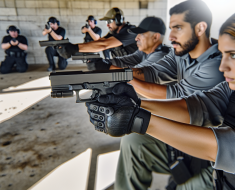
Understanding Tactical Reloading Techniques
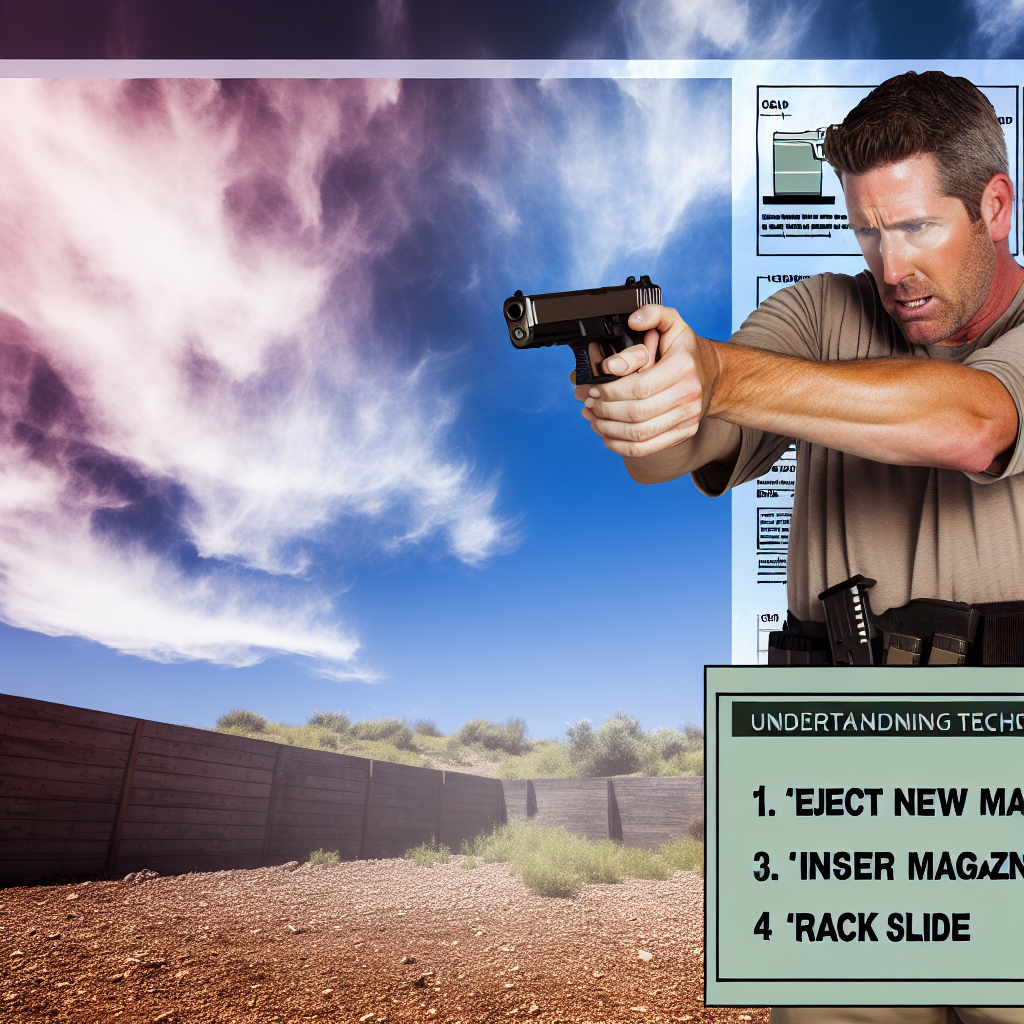
Tactical reloading is a fundamental skill for anyone who handles firearms, especially in high-stress or defensive situations. Unlike standard reloading, which is often performed in a controlled environment, tactical reloading requires speed, precision, and situational awareness. This article delves deep into the principles, techniques, and practical applications of tactical reloading to help shooters improve their efficiency and safety.
What Is Tactical Reloading?
Tactical reloading refers to the process of reloading a firearm while retaining the partially used magazine rather than discarding it immediately. This technique is particularly useful during defensive or competitive shooting scenarios where maintaining ammunition capacity and minimizing reload times can be crucial.
Unlike emergency reloads—where the shooter’s firearm runs empty—tactical reloads occur when there are still rounds left in the magazine. The goal is to replace a partially depleted magazine with a fresh one without sacrificing too much time or compromising safety.
Key Differences Between Tactical and Emergency Reloads
- Tactical Reload: Performed before the firearm runs empty; retains the partially used magazine for later use.
- Emergency Reload: Executed after the last round is fired; involves quickly inserting a new magazine to resume firing as soon as possible.
This distinction is critical because tactical reloads provide an opportunity to maintain ammunition advantage while keeping magazines organized and accessible.
The Importance of Tactical Reloading in Real-World Scenarios
Tactical reloading is not just a theoretical skill—it has practical applications that can mean the difference between success and failure in life-threatening encounters. Law enforcement officers, military personnel, competitive shooters, and responsible civilians all benefit from mastering this technique.
Consider these scenarios where tactical reloading proves invaluable:
- Law Enforcement Patrol: Officers on patrol may need to reload before entering a potentially hostile environment. Tactical reloads ensure they have maximum rounds ready without wasting partially used magazines.
- Military Operations: Soldiers engaged in prolonged firefights must manage their ammunition carefully. Tactical reloads help conserve resources while maintaining readiness.
- Shooting Competitions: Competitive shooters utilize tactical reloads to shave valuable seconds off their stage times by avoiding empty mag changes.
- Civilian Self-Defense: In unexpected home defense situations, tactical reloading can allow individuals to maintain firepower while managing limited ammunition supplies effectively.
Case Study: Law Enforcement Use of Tactical Reloading
A study conducted by the National Institute of Justice (NIJ) highlighted that officers who trained extensively on tactical reloading were able to reduce their reload times by up to 30% under stress conditions compared to those who only practiced emergency reloads. This improvement translated into faster response times during simulated active shooter drills, enhancing officer survivability and effectiveness.
Core Tactical Reloading Techniques Explained
Tactical reloading combines several steps that must be executed fluidly under pressure. While there are variations based on firearm type and personal preference, most tactical reloads follow these general principles:
- Retention of Partial Magazine: Instead of dropping the partially emptied magazine to the ground (as in emergency reloads), it is kept securely for later reuse or safe storage.
- Efficient Magazine Exchange: The fresh magazine is inserted swiftly to minimize downtime between shots or movements.
- Shooting Hand Coordination: The dominant hand typically manages firearm manipulation while the support hand handles magazines.
The Step-by-Step Process
-
Eject the Partially Used Magazine: Use your support hand thumb or fingers to press the magazine release button and remove the magazine while maintaining control so it does not fall freely.
-
Retrieve a Fresh Magazine: Reach for your spare mag pouch with your support hand while maintaining firearm control with your shooting hand.
-
Insert New Magazine: Insert the fresh magazine firmly into the magwell until it locks into place with an audible click.
-
Retain Old Magazine: Store the partially used magazine back into your pouch or another secure location for later use or reloading.
-
Resume Engagement or Prepare for Next Action: Depending on whether you had rounds left in the chamber, you may need to perform additional manipulations such as releasing the slide or charging handle if necessary (in case of an empty chamber).
The Benefits and Challenges of Tactical Reloading
The Advantages
- Ammunition Conservation: By retaining partial magazines, shooters can reuse available rounds instead of wasting them through discard.
- Sustained Firepower: Fresh magazines increase capacity and readiness without losing time searching for lost mags on the ground.
- Organizational Efficiency: Keeping track of magazines allows for better inventory management during extended operations or competitions.
- Mental Preparedness: Practicing tactical reloads enhances situational awareness by encouraging deliberate actions rather than rushed pan
icked decisions under stress.
Incorporating tactical reloading into your training can significantly improve your efficiency and effectiveness in high-pressure situations.