How to Use a Tactical Vest Effectively
Tactical vests are essential gear for military personnel, law enforcement officers, outdoor enthusiasts, and survivalists alike. Designed to provide both protection and functionality, these vests allow users to carry critical equipment efficiently while maintaining mobility and readiness. However, owning a tactical vest is only half the battle; knowing how to use it effectively can significantly enhance your operational efficiency and safety.
In this article, we will explore the key principles behind using a tactical vest effectively, discuss the importance of proper fit and customization, delve into load management strategies, and highlight best practices for maintenance and situational awareness. Whether you are a professional or an enthusiast, mastering these techniques will ensure you get the most out of your tactical vest.
Understanding the Purpose and Types of Tactical Vests
Before diving into usage strategies, it’s important to understand what a tactical vest is designed for and the different types available in the market. Tactical vests serve multiple purposes:
- Protection: Many tactical vests are equipped with ballistic panels or allow for the insertion of body armor plates to protect against bullets or shrapnel.
- Load-bearing: Tactical vests often feature MOLLE (Modular Lightweight Load-carrying Equipment) webbing or PALS (Pouch Attachment Ladder System) for attaching pouches and gear.
- Mobility: Unlike traditional heavy body armor carriers, tactical vests are designed to balance protection with mobility and comfort.
Common types of tactical vests include:
- Plate Carriers: Designed primarily to hold ballistic plates; used by military and law enforcement for maximum protection.
- Chest Rigs: Lightweight options focused on carrying ammunition and essential gear without ballistic protection.
- Tactical Load-Bearing Vests: Versatile vests combining moderate protection with extensive load-carrying capabilities.
A study conducted by the U.S. Army Research Laboratory found that soldiers wearing modular plate carriers improved mission effectiveness by up to 25% due to better load distribution and accessibility of equipment.[1]
The Importance of Proper Fit and Customization
A tactical vest that does not fit properly can hinder your performance and even jeopardize your safety. A well-fitted vest should be snug but not restrictive, allowing freedom of movement while keeping all equipment securely in place.
Key considerations for achieving proper fit include:
- Adjustability: Use adjustable straps on the shoulders and waist to tailor the vest’s fit according to your body shape.
- Sizing: Refer to manufacturer sizing charts carefully; sizes vary significantly between brands.
- Layering: Consider what clothing or additional armor you will wear under or over your vest; this impacts size choice.
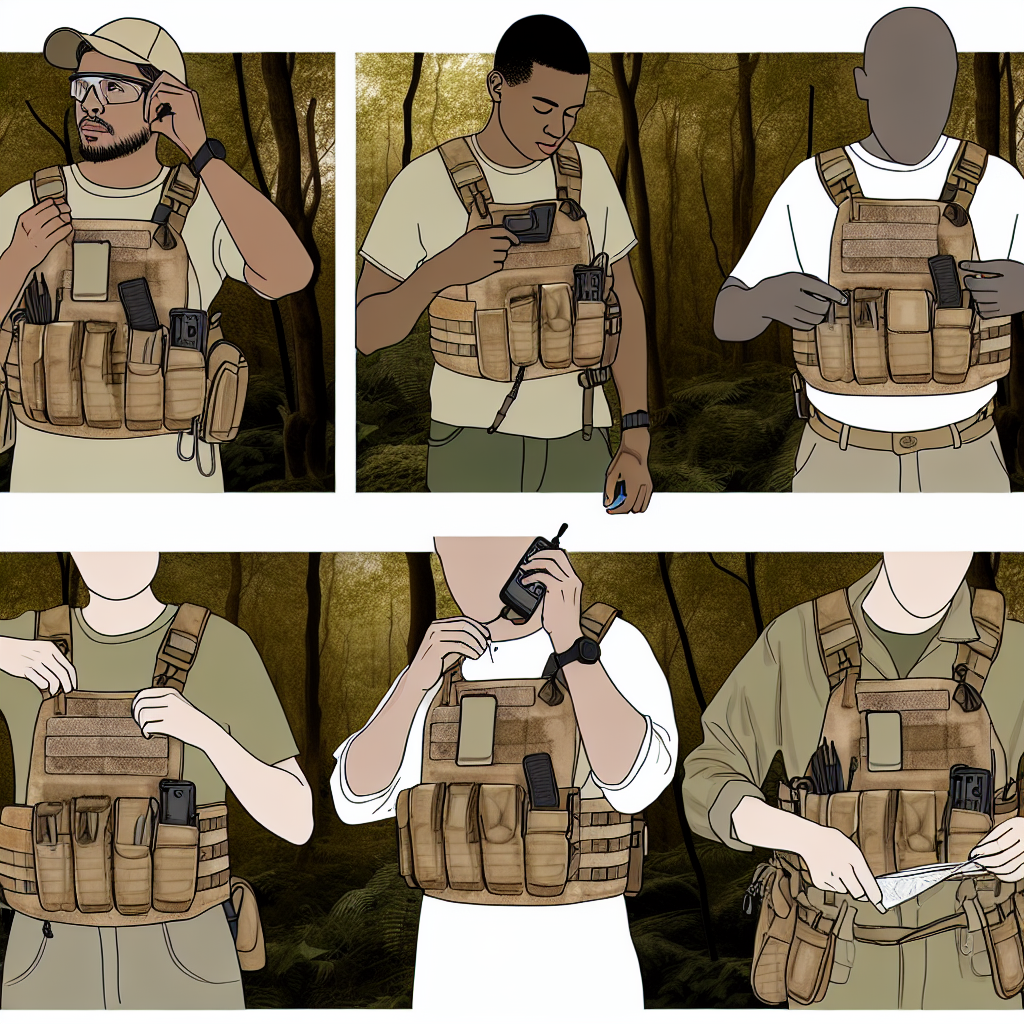
Customization is equally critical because every mission or activity demands different gear configurations. Tactical vests with MOLLE webbing allow users to attach pouches for magazines, radios, medical kits, hydration bladders, flashlights, knives, or other tools as needed.
Example: A SWAT team operator might prioritize ammunition pouches and communication devices on their vest during a raid, while a hiker might focus on hydration systems and first aid kits for survival scenarios.
Optimizing Load Distribution and Gear Placement
The way you arrange your gear on your tactical vest directly affects your agility, comfort, and response time during critical moments. Poor load distribution can cause fatigue, reduce range of motion, or even create noise that compromises stealth.
Effective load management involves:
- Balancing Weight Evenly: Distribute heavy items such as magazines or medical kits evenly across both sides of the vest to prevent muscle strain or imbalance.
- Prioritizing Accessibility: Place frequently used items like magazines or radios within easy reach—usually in front or on dominant side—to reduce retrieval time under stress.
- Avoiding Bulkiness: Keep gear low-profile where possible; bulky attachments can snag on obstacles or impede movement through tight spaces.
- Simplifying Layouts: Too many accessories can overwhelm you; choose essential items suited specifically for your mission objectives.
A case study from a Special Operations Forces unit showed that operators who optimized their gear layout reduced reload times by an average of 15%, improving their overall combat effectiveness.[2]
The Role of Training in Tactical Vest Effectiveness
No matter how advanced your tactical vest is, its effectiveness ultimately depends on your familiarity with it. Regular training ensures muscle memory develops for drawing equipment quickly under pressure while maintaining situational awareness.
This training should include:
- Dressing Drills: Practice putting on your vest quickly while ensuring all straps are secure but comfortable.
- Maneuver Drills: Simulate movements like crawling, climbing, running, or kneeling with full gear load to identify any discomforts or restrictions caused by the vest setup.
- <