How to Stay Calm When Threatened
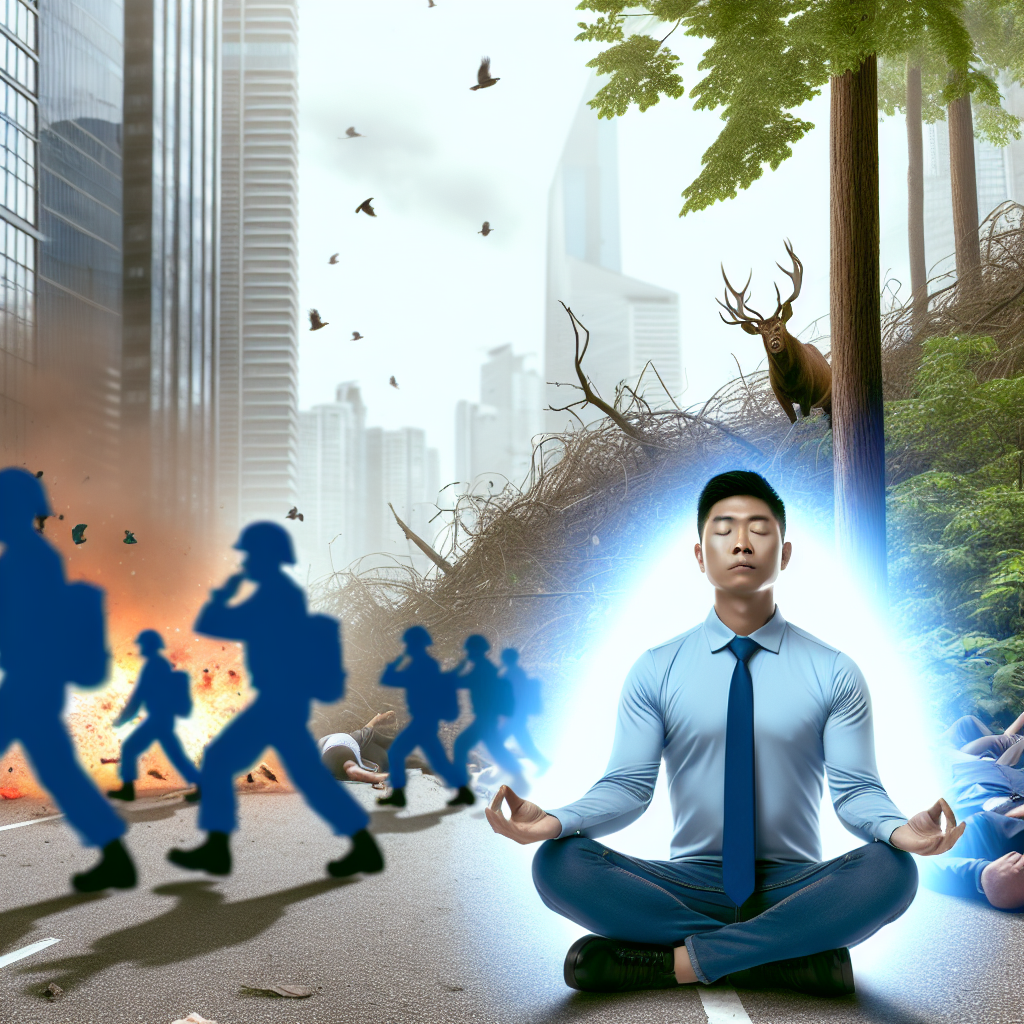
Feeling threatened is a primal human experience, triggering intense emotional and physical reactions. Whether the threat is physical, verbal, or psychological, maintaining calmness is essential for ensuring safety, making rational decisions, and effectively managing the situation. This article explores practical strategies backed by research and real-world examples to help you stay calm when confronted with threatening circumstances.
Understanding the Physiology of Threat Response
When faced with a threat, our bodies initiate a well-known “fight, flight, or freeze” response. This automatic reaction is governed by the sympathetic nervous system and involves the release of stress hormones such as adrenaline and cortisol.
These hormones prepare the body to either confront or escape danger by:
- Increasing heart rate and blood pressure
- Redirecting blood flow to major muscle groups
- Dilating pupils to enhance vision
- Suppressing non-essential functions like digestion
While this response can save lives in immediate danger, it also impairs cognitive functions like memory recall, logical thinking, and decision-making. According to a study published in The Journal of Neuroscience, excessive stress can reduce activity in the prefrontal cortex—the brain region responsible for executive function—making it harder to think clearly under pressure.
Recognizing these physiological changes is the first step toward managing your reactions when threatened.
Techniques for Maintaining Calmness Under Threat
Once you understand how your body reacts to threats, you can employ specific techniques to counteract these responses and maintain composure.
1. Controlled Breathing
One of the most effective ways to calm your nervous system is through controlled breathing exercises. Slow, deep breaths help activate the parasympathetic nervous system—the branch responsible for relaxation—counterbalancing the fight or flight response.
- Box breathing: Inhale deeply for 4 seconds, hold your breath for 4 seconds, exhale slowly for 4 seconds, then hold again for 4 seconds before repeating.
- Diaphragmatic breathing: Breathe deeply into your belly rather than shallow breaths into your chest.
A study conducted by Harvard Medical School demonstrated that slow breathing can significantly reduce stress levels and improve emotional regulation in high-pressure situations.
2. Grounding Techniques
Grounding exercises help bring your focus away from overwhelming emotions and back to the present moment. This can be crucial during threatening encounters where panic might take over.
- The 5-4-3-2-1 method: Identify five things you can see, four things you can touch, three sounds you hear, two smells you recognize, and one taste you notice.
- Sensory awareness: Focus on physical sensations such as feeling your feet on the ground or holding onto an object firmly.
This approach helps interrupt negative thought patterns and anxiety loops that exacerbate fear responses.
3. Positive Self-Talk and Visualization
Your internal dialogue has a powerful effect on how you perceive threats. Replacing fearful thoughts with reassuring statements can lower anxiety levels.
- “I am safe.”
- “I can handle this.”
- “Stay focused.”
Additionally, visualizing successful outcomes or safe scenarios primes your brain for calmness and confidence. Athletes often use visualization techniques before competitions to manage stress; similarly, these methods work well in threatening situations.
The Role of Preparation and Training
An essential factor in staying calm under threat is preparation. Knowing what actions to take reduces uncertainty—a major driver of panic—and builds confidence.
Self-Defense Training
A report from the National Crime Victimization Survey shows that victims who have undergone self-defense training are more likely to successfully de-escalate or escape violent encounters. Beyond physical skills, such training often includes situational awareness drills that heighten vigilance without inducing paranoia.
Mental Rehearsal
Mental rehearsal involves imagining yourself responding calmly and effectively during threatening scenarios. This practice builds neural pathways that make calm responses more automatic when actual danger arises.
Crisis Simulation Exercises
Certain professions—such as law enforcement and healthcare—use simulation exercises to train personnel on remaining composed during emergencies. These controlled environments allow individuals to practice managing stress responses safely while receiving constructive feedback.
The Importance of Situational Awareness
A key strategy in avoiding or mitigating threats is maintaining situational awareness—the ability to perceive environmental elements with respect to time and space—and understand their meaning relative to potential dangers.
- Avoid distractions: Limit phone use or headphones when in unfamiliar settings so you remain alert.
- Observe body language: Notice signs of aggression such as clenched fists or pacing individuals nearby.
- Create mental maps: Identify exits or safe zones wherever you go regularly (e.g., workplaces, public venues).
A study by psychologist Gavin De Becker found that individuals who trust their instincts about suspicious behavior are less likely to become victims of crime. By honing your awareness and response techniques, you can better protect yourself in threatening situations.