Gun Cleaning Tips for Law Enforcement Professionals

For law enforcement professionals, maintaining their firearms is not just a routine task—it’s a critical responsibility that ensures operational readiness, safety, and accuracy. A well-maintained weapon can be the difference between life and death in high-stress situations. This comprehensive guide delves into essential gun cleaning tips tailored specifically for law enforcement officers, supported by relevant examples and best practices to optimize firearm performance.
The Importance of Regular Gun Maintenance in Law Enforcement
Firearms used in law enforcement undergo frequent use and exposure to harsh environments, including dust, moisture, sweat, and residues from gunpowder. Neglecting regular cleaning can lead to malfunctions such as misfires, jams, or decreased accuracy—issues that jeopardize officer safety and effectiveness on duty.
According to a study published by the Journal of Forensic Sciences (2019), over 35% of reported firearm malfunctions in police departments were attributed to improper or infrequent cleaning and maintenance. This statistic underscores the critical need for systematic care routines.
Moreover, law enforcement firearms often contain sensitive mechanical parts that require precision upkeep. From pistols like the Glock 17 or SIG Sauer P320 to patrol rifles such as the AR-15 platform, each has unique components needing attention.
Understanding Your Firearm: Know Your Weapon Inside Out
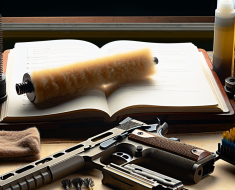
Before diving into cleaning routines, it’s vital for officers to thoroughly understand their specific firearm model. Different guns have varied disassembly processes, lubrication points, and cleaning requirements.
- Consult Manufacturer Manuals: Always start with the official manual. Manufacturers provide detailed instructions on safe disassembly and recommended cleaning products.
- Attend Training Sessions: Many police departments offer armorer courses or training seminars focusing on firearm maintenance. These courses help officers recognize signs of wear or damage early.
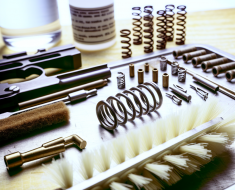
- Know the Parts: Familiarize yourself with key components like the barrel, slide, firing pin, extractor, and recoil spring. Understanding these parts aids in more effective cleaning and troubleshooting.
For example, Glock pistols feature a “safe action” system with minimal external safeties but require careful attention to the trigger mechanism during cleaning. Conversely, revolvers need more focus on cylinder chambers and extractor rods.
Essential Tools and Supplies for Effective Gun Cleaning
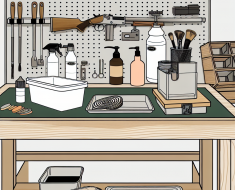
The right tools are fundamental to achieving a thorough clean without damaging your firearm. Here’s a rundown of must-have supplies:
- Bore Brushes: Typically made of bronze or nylon; used to scrub barrel interiors.
- Patches: Cotton patches applied with a cleaning rod to remove debris after brushing.
- Cleaning Rods: Preferably made from coated steel or carbon fiber to avoid scratching the bore.
- Lubricants and Oils: High-quality gun oils reduce friction and prevent corrosion; synthetic oils tend to perform better in extreme temperatures.
- Nylon Brushes & Toothbrushes: Useful for scrubbing small parts and hard-to-reach areas.
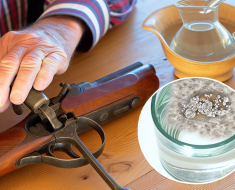
- Cleaning Solvents: Designed to break down carbon fouling and powder residue without damaging metal surfaces.
- Cotton Swabs & Microfiber Cloths: For detailed cleaning and wiping excess oil or solvent.
A study by the National Institute of Justice (NIJ) highlights that improper use of abrasive tools can damage rifling inside barrels, reducing accuracy over time—a cautionary note emphasizing careful tool selection.
Step-by-Step Gun Cleaning Procedure for Law Enforcement Officers
The following stepwise approach ensures thorough cleaning while maintaining safety protocols throughout:
- Safety First:
Always confirm your weapon is unloaded before starting any maintenance procedure. Remove magazines and visually inspect chambers multiple times.
- Disassemble Your Firearm:
Follow manufacturer guidelines for field stripping your weapon into manageable parts such as slide, barrel, recoil spring assembly, frame, etc.
- Clean the Barrel (Bore):
Dip a bore brush into solvent then run it through the barrel several times using a cleaning rod from chamber end toward muzzle (if possible). Follow with dry patches until they come out clean.
- Clean Other Components:
Use nylon brushes dipped in solvent to scrub areas like the slide rails, firing pin channel, extractor claw, chamber mouth, trigger assembly area—removing all carbon buildup and dirt deposits.
- Dewaxing & Drying:
If applicable (especially in colder climates), remove any waxy residues left by solvents using dry cloths; ensure all parts are completely dry before lubrication.
- Lubricate Moving Parts:
A thin layer of lubricant should be applied sparingly on rails, contact points between slide/frame/barrel hood areas—too much oil attracts dust or grime which can cause malfunctions under duty conditions.</