How to Clean Your Gun’s Extractor and Ejector: A Comprehensive Guide
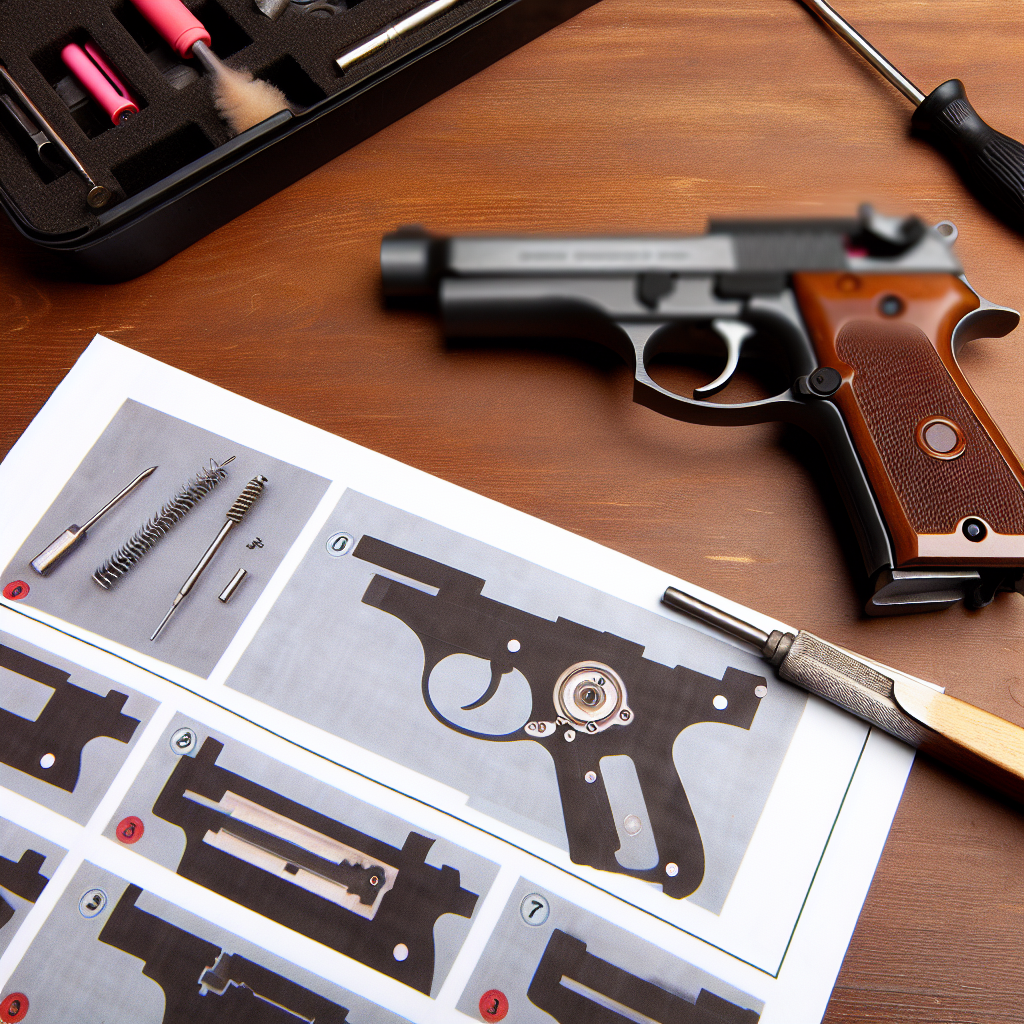
Maintaining your firearm is crucial for ensuring reliability, safety, and longevity. Among the many components that require regular attention, the extractor and ejector are often overlooked despite their vital roles in the firearm’s operation. These small parts are responsible for removing spent cartridges from the chamber and ejecting them from the firearm, allowing for smooth cycling and preventing malfunctions such as failures to eject or extract.
In this detailed guide, we will explore how to clean your gun’s extractor and ejector effectively, why it’s important, and provide practical tips to keep your firearm running flawlessly. Whether you’re a seasoned shooter or a novice, understanding these components can greatly improve your shooting experience.
The Importance of Cleaning Your Gun’s Extractor and Ejector
The extractor and ejector are critical for the semi-automatic and automatic firearms’ feeding cycle. The extractor hooks onto the rim of the cartridge case to pull it out of the chamber after firing, while the ejector pushes the spent case out of the ejection port. If either part is dirty or damaged, it can cause common issues such as:
- Failure to extract (FTE)
- Failure to eject (FTE)
- Double feeds or jams
- Increased wear on other firearm components
According to a study by the National Shooting Sports Foundation (NSSF), over 30% of reported firearm malfunctions during competitions stem from poor maintenance of extraction and ejection systems. This statistic highlights how crucial proper cleaning is to avoid operational failures.
Moreover, residues such as carbon buildup, powder fouling, dirt, and debris accumulate on these parts due to repeated firing. Over time, this buildup can degrade performance or even cause mechanical failure.
Understanding Your Firearm’s Extractor and Ejector
Before diving into cleaning procedures, it’s essential to understand what these parts look like and where they are located.
The Extractor
The extractor is usually a small hook-shaped piece situated on the bolt or slide of your firearm. It grips the rim or groove of the cartridge case upon firing and pulls it out from the chamber during cycling.
The Ejector
The ejector is typically a fixed or spring-loaded part inside the receiver or frame that strikes the cartridge case’s base as it’s pulled out by the extractor, forcing it out through the ejection port.
Different firearms have variations in extractor and ejector designs. For example:
- AR-15/M16 series: The extractor is part of the bolt head; the ejector is a spring-loaded plunger inside the bolt.
- 1911 pistols: The extractor is mounted on the slide; ejectors are fixed pieces inside the frame.
- Glock pistols: Both parts are integrated into the slide but may differ slightly in design compared to other semi-autos.
This knowledge helps you identify where to focus your cleaning efforts for your specific firearm model.
Tools and Supplies Needed for Cleaning Extractors and Ejectors
Cleaning these small but vital parts requires specific tools designed for precision work:
- Bore brush sets: Small brushes suitable for scrubbing tight spaces around extractors and ejectors.
- Cotton swabs/Q-tips: For applying solvents and wiping residues gently without damage.
- Nylon picks: Useful for scraping stubborn carbon deposits without scratching metal surfaces.
- Synthetic cleaning patches: To absorb solvent residues after scrubbing.
- SOLVENTS & LUBRICANTS: High-quality gun cleaning solvent (e.g., Hoppe’s No.9) to dissolve carbon fouling; light lubricant or gun oil to protect metal parts afterward.
- Screwdrivers/armorer tools: Depending on your firearm model, some extractors/ejectors may need partial disassembly requiring specialized tools.
A clean workspace with good lighting is also essential for inspecting these tiny components closely during cleaning.
A Step-by-Step Guide: How to Clean Your Gun’s Extractor and Ejector
Step 1: Ensure Safety First
Your safety comes first before any maintenance procedure.
- Unload your firearm completely: Remove all ammunition from magazines and chambers. Double-check visually and physically that no rounds remain in any part of your gun.
- Work in a well-ventilated area: Solvents can emit fumes that require good air circulation.
Step 2: Field Strip Your Firearm According to Manufacturer Instructions
This step varies by firearm type but generally involves separating major components such as slide/bolt assembly from frame/receiver. Refer to your owner’s manual for exact procedures since improper disassembly can cause damage or void warranties.
Step 3: Access Extractor and Ejector Areas The extractor usually sits on or near your bolt face or slide edge; carefully remove any retaining pins or clips to access these components. Clean them thoroughly with a suitable solvent and a brush, ensuring all debris and carbon buildup are removed.
Regular maintenance of these parts is crucial for reliable firearm operation.