The Role of Cleaning in Gun Rust Prevention
Rust is the bane of every firearm owner’s existence. It not only diminishes the aesthetic appeal of a gun but also compromises its performance, safety, and longevity. The role of cleaning in preventing rust on guns cannot be overstated—it is a critical maintenance practice that every gun owner must embrace. This article delves into the science behind rust formation, the importance of routine cleaning, effective cleaning techniques, and how consistent maintenance can safeguard your firearms for years to come.
Understanding Rust: Why Firearms Are Vulnerable
Rust is a form of iron oxide that forms when iron or steel reacts with oxygen and moisture over time. Firearms are predominantly made from steel and other metal alloys, making them inherently susceptible to rusting under certain conditions.
The primary factors contributing to rust formation on guns include:
- Moisture: Exposure to humidity, rain, sweat, or condensation creates an ideal environment for oxidation.
- Oxygen: Rust requires oxygen to form, which is abundant in the air surrounding stored firearms.
- Dirt and Residue: Powder residue, dirt, and other contaminants can trap moisture against metal surfaces.
- Salts and Chemicals: Handling firearms with sweaty hands or exposure to saltwater environments accelerates corrosion.
A study conducted by the National Institute of Standards and Technology (NIST) demonstrated that even small amounts of moisture combined with contaminants such as fingerprints can increase corrosion rates by up to 50%. This highlights why routine cleaning is essential—not just to remove visible grime but also invisible corrosive agents.
The Science Behind Cleaning as a Rust Prevention Strategy
Cleaning removes contaminants that promote rust formation. While oiling a firearm creates a protective barrier against moisture, without prior thorough cleaning, oils may trap dirt and residues that accelerate corrosion instead of preventing it.
The process of cleaning guns involves:
- Removing Powder Residue: Combustion residues from firing are acidic and can degrade metal surfaces if left unchecked.
- Eliminating Moisture: Wiping down metal parts after exposure to humid conditions helps remove water droplets that can initiate rust.
- Removing Dirt and Salts: Outdoor use often deposits salts and dirt which are highly corrosive if allowed to remain on the gun.
- Applying Protective Coatings: After cleaning, applying oil or specialized rust inhibitors helps create a hydrophobic layer that repels moisture.
A case study published in the Journal of Firearms Maintenance showed that firearms cleaned immediately after use exhibited 70% less surface oxidation compared to those cleaned only after extended periods. This underscores the critical timing aspect in cleaning routines for rust prevention.
Effective Cleaning Techniques for Rust Prevention
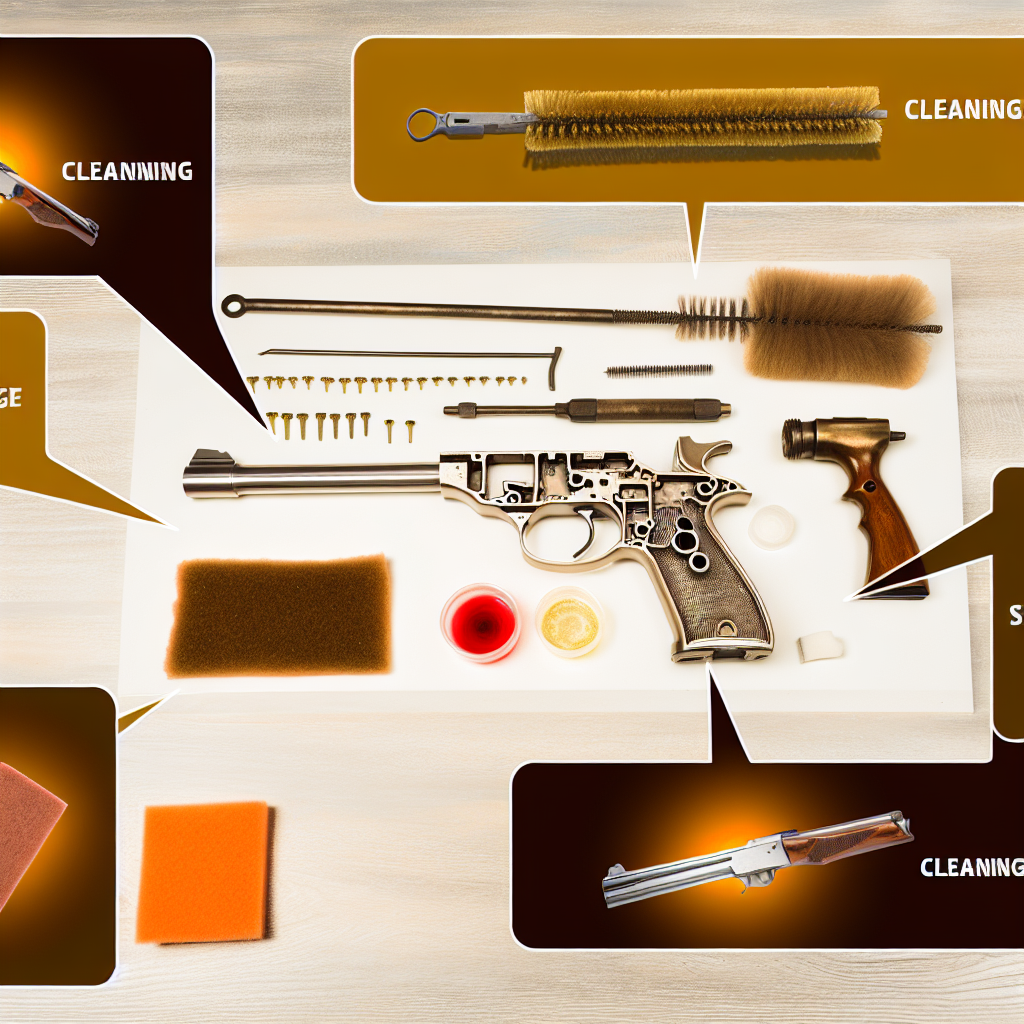
A well-structured cleaning routine is vital for maintaining firearm integrity. The following steps outline best practices based on expert recommendations from gunsmiths and manufacturers alike:
- Disassemble Safely: Always ensure the firearm is unloaded before disassembly. Remove major components such as barrel, slide, bolt carrier group, or cylinder depending on the type of firearm.
- Use Quality Cleaning Products: Employ solvents designed specifically for firearms to dissolve powder residue and fouling without damaging finishes. Avoid harsh chemicals like bleach or household cleaners that can accelerate corrosion.
- Clean All Surfaces Thoroughly: Use brushes (nylon or bronze) to scrub hard-to-reach areas where fouling accumulates. Cotton patches help wipe down smooth surfaces after brushing.
- Dry Completely: Moisture left behind after solvent use is one of the most common causes of rust. Use clean cloths or compressed air to ensure all parts are dry before reassembly.
- Apply Lubricants and Protectants: Lightly coat metal parts with gun oil or corrosion inhibitors like CLP (Clean, Lubricate, Protect) products. These form barriers against moisture without attracting dust excessively.
- Regular Inspection: Incorporate visual checks during storage periods; early detection allows prompt intervention before rust takes hold deeply in metal pores.
An important note from experienced shooters: over-oiling can attract dust and grime; under-oiling risks insufficient protection. Balance is key for optimal preservation.
The Impact of Environmental Factors on Gun Rust Formation
The environment where firearms are stored or used dramatically influences how quickly rust develops. Consider these environmental scenarios along with recommended precautions:
- Tropical Climates: High humidity levels promote rapid oxidation. Use dehumidifiers in gun safes and desiccant packs inside storage cases to absorb moisture.
Example: A survey by the Sporting Arms and Ammunition Manufacturers’ Institute (SAAMI) found that firearms stored in humid coastal regions developed surface rust nearly twice as fast as those kept inland under similar care routines. - Cold Weather Use: Transitioning from cold outdoor environments into warm interiors causes condensation on metal surfaces.
Tip: Wipe down guns immediately after moving indoors; store them in temperature-stabilized environments.
<