How to Clean and Protect Gun Muzzle Devices
Gun muzzle devices such as flash suppressors, muzzle brakes, compensators, and suppressors play a crucial role in firearm performance. They help reduce recoil, muzzle rise, flash signature, and sound, improving accuracy and shooter comfort. However, due to their exposure to high-temperature gases, carbon buildup, powder residue, and environmental elements, these devices require regular cleaning and protection to maintain optimal functionality and longevity.
In this comprehensive guide, we will explore effective methods for cleaning and protecting gun muzzle devices. We will discuss the types of muzzle devices, common contaminants they accumulate, proper cleaning techniques, protective measures, and practical tips backed by expert advice and real-world examples.
Understanding Gun Muzzle Devices and Their Importance
Muzzle devices attach to the end of a firearm’s barrel and serve specific purposes. Knowing the differences between them helps in understanding how to care for each type appropriately.
- Flash Suppressors: Designed to disperse the burning gases exiting the barrel to reduce visible muzzle flash. Commonly used on military rifles like the M16.
- Muzzle Brakes: Redirect gases sideways or backward to counteract recoil forces. Popular among precision shooters and hunters for better control.
- Compensators: Similar to brakes but primarily aimed at reducing muzzle rise by venting gases upward.
- Suppressors (Silencers): Devices that trap and cool expanding gases to reduce noise and muzzle blast.
The exposure of these devices to high-velocity gases laden with carbon particles causes fouling that can degrade performance if left unaddressed. For example, a 2020 study by the National Shooting Sports Foundation found that fouling buildup on muzzle brakes can increase recoil felt by shooters by up to 15% due to obstruction of gas flow.
Common Contaminants Affecting Muzzle Devices
Muzzle devices face several types of contaminants during regular use. Understanding these helps in selecting appropriate cleaning methods.
- Carbon Fouling: The most prevalent contaminant formed from incomplete combustion of powder. It appears as a black sooty deposit inside ports or around surfaces.
- Lead Residue: Occurs primarily when shooting lead-based ammunition. Lead particles can accumulate within device ports affecting airflow.
- Copper Fouling: Results from copper-jacketed bullets depositing microscopic copper particles inside barrels and muzzle devices.
- Powder Residue: Unburnt powder grains can lodge inside device apertures causing clogging or corrosion risks if combined with moisture.
- Dirt and Debris: Environmental factors such as mud, sand, or dust can enter device openings during outdoor use.
A study published in the Journal of Forensic Sciences (2019) highlighted that improper cleaning leading to residual fouling inside compensators could cause inconsistent shot placement due to uneven gas venting. This underscores the need for thorough maintenance routines tailored to each contaminant type.
Step-by-Step Guide: How to Clean Gun Muzzle Devices Effectively
The following steps outline a systematic approach for cleaning various gun muzzle devices safely without damaging their finish or compromising their function.
1. Safety First: Preparation Before Cleaning
Before beginning any maintenance task on firearms or accessories:
- Ensure the firearm is unloaded; remove magazines and check chamber visually.
- If possible, detach the muzzle device according to manufacturer instructions — many are threaded or pinned for removal.
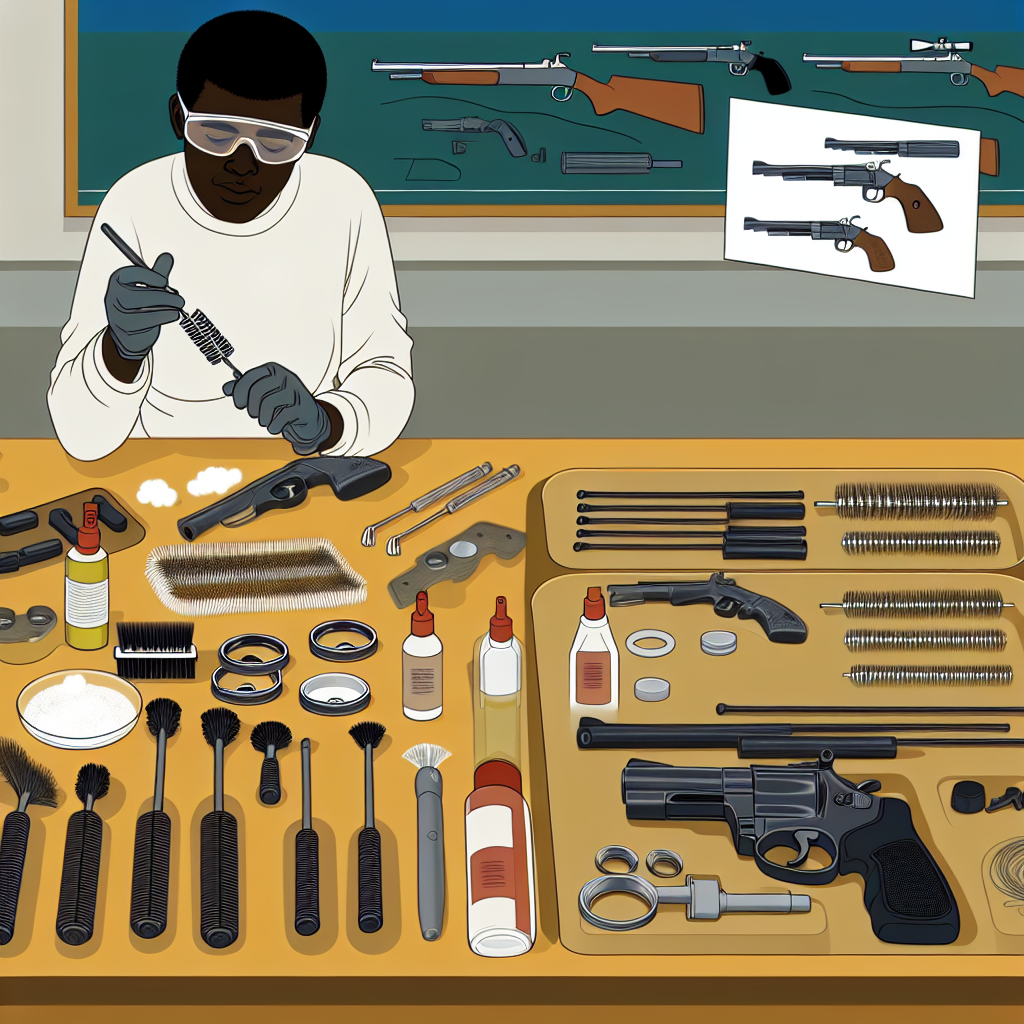
- Work in a well-ventilated area with proper lighting; wear gloves and eye protection if using solvents or brushes.
2. Initial Inspection
Examine the device closely for visible fouling accumulation or damage such as cracks or corrosion spots. Note whether ports are clogged or if there is excessive build-up on external surfaces requiring more intensive cleaning methods.
3. Mechanical Cleaning Methods
- Brushes: Use brass or nylon brushes sized appropriately for port openings and inner surfaces—brass is effective against tough carbon but less likely to scratch metal than steel brushes.
- Picks & Dental Tools: Useful for scraping stubborn deposits from tight corners without damaging metalwork.
- Cotton Swabs & Patches: For wiping down surfaces after loosening debris with solvents.
4. Chemical Cleaning Agents
Select solvents designed specifically for gun cleaning such as CLP (Clean-Lubricate-Protect) products or dedicated carbon removers like Hoppe’s No. 9 Carbon Remover. Avoid harsh acids unless specified by the manufacturer as they may damage coatings like nitriding or Cerakote finishes used on many modern devices.
- Dab solvent onto brush or swab then scrub affected areas thoroughly.
- Allow solvent dwell time (usually 5–10 minutes) for stubborn fouling softening before mechanical agitation again.
5. Rinsing and Drying
If water-based solvents are used, rinse with warm water carefully ensuring no moisture
is left in the muzzle device, as this can lead to corrosion. After rinsing, dry the device thoroughly with a clean cloth or air dry before reassembling or storing.
Regular maintenance will ensure your gun muzzle devices remain in optimal condition for reliable performance.