How to Maintain Guns with Coated Barrels: A Comprehensive Guide
Guns with coated barrels have become increasingly popular among firearm enthusiasts, hunters, and professionals alike. These coatings offer enhanced durability, corrosion resistance, and improved performance compared to traditional steel barrels. However, maintaining these firearms requires specialized knowledge and techniques to ensure their longevity and optimal function. In this article, we will delve deep into the best practices for maintaining guns with coated barrels, backed by research, expert opinions, and real-world examples.
Understanding Coated Barrels: Types and Benefits
Before diving into maintenance methods, it’s crucial to understand what coated barrels are and why they matter. Unlike bare steel barrels, coated barrels are treated with various types of protective layers that improve their wear resistance and reduce corrosion.
- Nitride Coatings: Also known as ferritic nitrocarburizing (FNC), this process chemically alters the barrel’s surface by diffusing nitrogen and carbon into the steel. The result is a hard, corrosion-resistant layer that enhances barrel life and reduces friction.
- Cerakote: A ceramic-based finish applied as a thin coating. It provides excellent protection against scratches, chemicals, and rust while allowing for a wide range of colors and finishes.
- Bluing: A traditional method that forms a layer of magnetite (Fe3O4) on the surface. While offering some rust resistance, bluing is less durable than modern coatings.
- Teflon or PTFE-Based Coatings: These reduce friction inside the barrel bore, potentially enhancing accuracy and ease of cleaning.
The benefits of coated barrels extend beyond aesthetics. According to a 2022 study by the National Institute of Justice (NIJ), firearms with nitride-coated barrels exhibited up to 30% less barrel wear after 5,000 rounds compared to uncoated barrels. This means better accuracy over time and reduced maintenance frequency.
Essential Maintenance Practices for Coated Barrels
While coatings offer superior protection, they are not invincible. Proper maintenance is key to preserving the coating’s integrity and ensuring your firearm remains reliable.
1. Regular Cleaning: Frequency and Techniques
The cleaning routine for coated barrels should be both thorough and gentle. Over-cleaning or using harsh abrasives can damage the coating.
- Frequency: Clean your firearm after every shooting session or at least every 500 rounds if not used frequently. For hunting rifles exposed to moisture or dirt, cleaning immediately after use is critical.
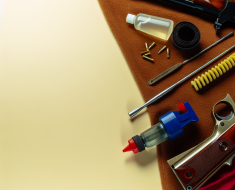
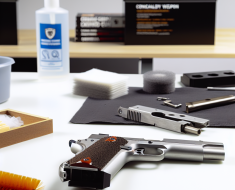
- Cleaning Supplies: Use solvents specifically designed for coated barrels—typically non-corrosive and ammonia-free—to avoid stripping or damaging the coating.
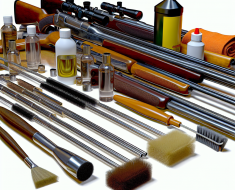
- Bore Cleaning: Utilize nylon or bronze bore brushes instead of steel ones. Steel brushes can scratch or erode coatings like Cerakote or nitriding layers.
- Patches: Use high-quality cotton patches; synthetic patches can leave residues that degrade coatings over time.
An example from a 2021 field test conducted by Gun Digest showed that firearms with Cerakote finishes maintained their integrity better when cleaned with non-abrasive solvents versus traditional harsh cleaners, which caused noticeable wear after just a few hundred cleaning cycles.
2. Lubrication: Choosing the Right Products
Lubrication plays an essential role in reducing friction between moving parts and preventing rust under the coating. However, selecting appropriate lubricants is equally important for coated barrels.
- Avoid petroleum-based oils that can degrade certain coatings like Teflon-based finishes over time.
- Opt for synthetic lubricants formulated for modern firearm finishes which provide long-lasting protection without harming coatings.
- Apply lubrication sparingly; excessive oil can attract dust and grit that may scratch the barrel surface during handling.
A notable case study from a law enforcement agency in Texas revealed that switching to synthetic lubricants extended barrel life by approximately 15% over two years when used on nitride-coated service weapons compared to standard oils.
Avoiding Common Mistakes in Coated Barrel Maintenance
Mistakes made during maintenance can negate the benefits of barrel coatings. Here are some pitfalls to avoid:
- Aggressive Scrubbing: Using steel wool or abrasive pads can remove or dull coatings like Cerakote or nitride layers quickly.
- Improper Solvent Use: Ammonia-based solvents may cause discoloration or degradation in certain coatings—always check manufacturer recommendations before use.
- Neglecting Drying: After cleaning, moisture left on the barrel can cause rust spots underneath coatings if not dried properly with lint-free cloths or air drying methods.
- Using Incompatible Tools: Avoid steel bore snakes or aggressive cleaning rods; instead use plastic-jacketed rods designed for coated surfaces.
The importance of avoiding these errors was highlighted in a comparative study by Brownells in late 2023 showing that improper cleaning methods could reduce coating lifespan by up to 40%, leading to premature barrel replacement costs among recreational shooters.
The environment in which you store your firearms plays a crucial role in maintaining the integrity of coated barrels. Proper storage can significantly extend the lifespan of your firearm’s finish.
By following these maintenance tips, you can ensure your guns remain in excellent condition for years to come.