How to Use Gun Cleaning Jags and Mops Effectively
Proper firearm maintenance is essential for ensuring reliability, accuracy, and longevity of your gun. Among the many tools available for cleaning firearms, jags and mops play a crucial role in achieving a thorough and effective cleaning process. Despite their importance, many gun owners overlook or misuse these tools, resulting in suboptimal cleaning outcomes.
This article will delve into the effective use of gun cleaning jags and mops, detailing their functions, best practices, and how they fit into a comprehensive gun cleaning routine. Through clear explanations and practical examples, you will gain valuable insights to maintain your firearm at peak performance.
Understanding Gun Cleaning Jags and Mops: What They Are and Their Purpose
Before exploring how to use jags and mops effectively, it’s important to understand what they are and why they matter in gun maintenance.
What Are Gun Cleaning Jags?
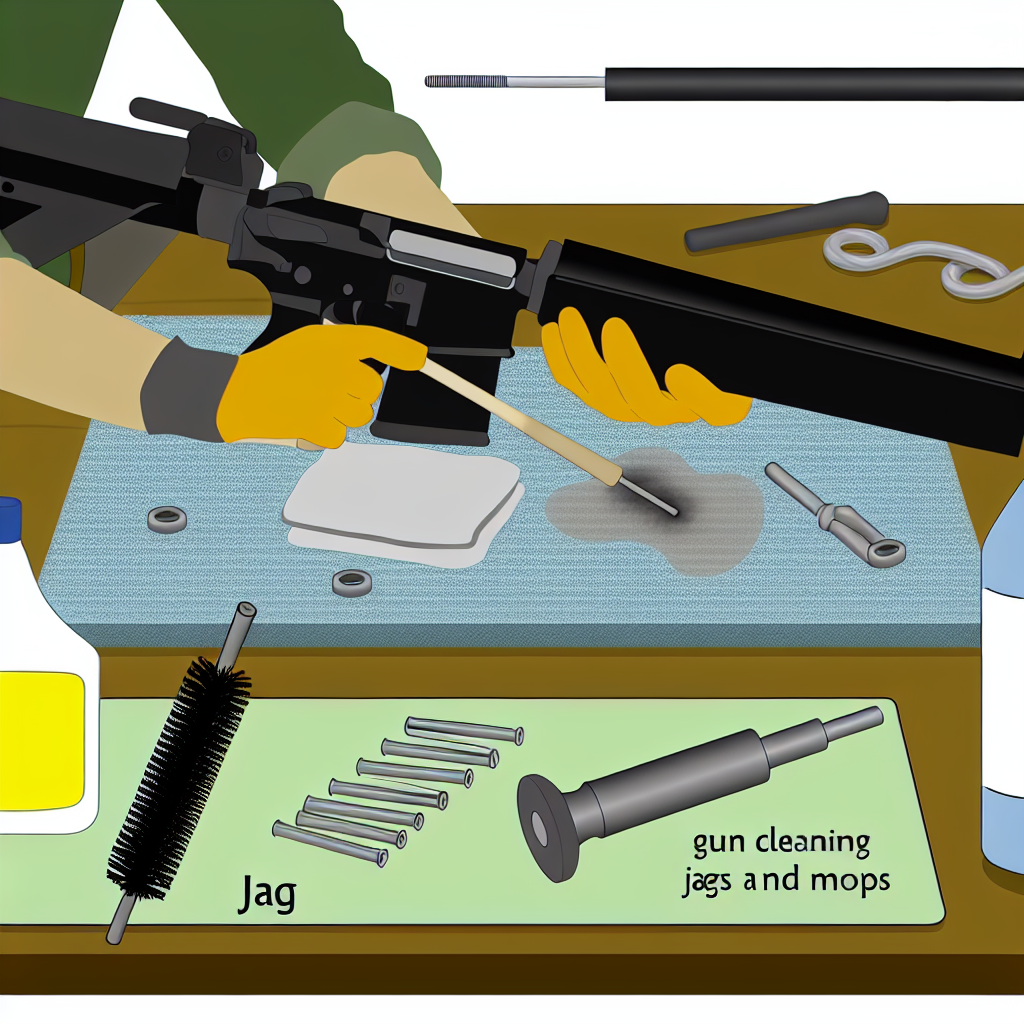
A gun cleaning jag is a small attachment that screws onto the end of a cleaning rod. Typically made from brass, aluminum, or polymer, jags are designed to hold cleaning patches firmly against the bore of the firearm. Their pointed or tapered shape helps push patches through tight rifling grooves in barrels.
Purpose of Jags:
- Secure Patch Holder: Jags hold patches tightly to prevent bunching or folding during cleaning.
- Efficient Solvent Application: They ensure that solvents or oils are evenly distributed along the bore.
- Protect Barrel: Unlike brushes, jags do not have bristles that can potentially damage delicate rifling when used improperly.
What Are Gun Cleaning Mops?
Mops are soft cotton attachments that also screw onto cleaning rods. They come in various sizes and are used primarily for applying oil or solvent evenly inside the barrel. The fluffy texture helps spread lubricants without scratching the bore’s surface.
Purpose of Mops:
- Lubrication: Mops apply protective oil films after cleaning to prevent rust and corrosion.
- Final Polishing: They help remove residual solvent or debris after patch cleaning.
- Bore Conditioning: Some shooters use mops with specialized products like bore conditioners or protectants.
The Role of Jags and Mops in a Comprehensive Gun Cleaning Routine
A typical gun cleaning process involves several steps: initial bore brushing, solvent application, patching out fouling, lubrication, and final inspection. Jags and mops fit into this routine as follows:
- Step 1 – Initial Scrubbing: Use a bronze or nylon bore brush attached to a rod to loosen fouling.
- Step 2 – Solvent Application with Jag: Attach a jag with a solvent-soaked patch to push solvent deep into the barrel’s grooves.
- Step 3 – Patch Cleaning with Jag: Use dry patches on the jag repeatedly until they come out clean.
- Step 4 – Lubrication with Mop: Attach a clean mop soaked with light gun oil to coat the bore evenly.
- Step 5 – Final Dry Wipe: Use a dry mop or patch to remove excess oil if necessary.
This sequence ensures both mechanical removal of fouling and chemical protection against corrosion while preserving barrel integrity.
Best Practices for Using Gun Cleaning Jags Effectively
The efficiency of jags depends on proper selection, usage techniques, and compatibility with your firearm’s caliber. Consider these tips for optimal results:
Selecting the Right Jag Size
A jag should closely match your firearm’s caliber size—too small allows solvent leakage around patches; too large can cause patch tearing or increased friction inside the bore. For example:
- .223 Remington rifles typically require .22 caliber jags (0.224 inches diameter).
- .308 Winchester rifles use .30 caliber jags (0.308 inches diameter).
- Pistol calibers like 9mm use appropriately sized smaller jags around .355 inches diameter.
Mismatched sizes reduce solvent contact efficiency and risk damaging rifling by forcing oversized patches through tight bores.
Patching Technique Using Jags
- Use High-Quality Patches: Cotton patches designed specifically for firearms absorb solvents well without leaving lint behind.
- Saturate Patches Properly: Soak patches with adequate solvent but avoid dripping excess liquid which can cause messes or slow drying times.
- Smooth Rod Movement: Push the jag gently through the bore from chamber end toward muzzle; avoid aggressive twisting motions that may damage rifling.
- Avoid Reversing Direction Mid-Stroke: Always pull rod out in reverse direction rather than pushing back through; this reduces patch bunching or snagging inside barrel throat area.
Avoid Common Mistakes With Jags: Ensure you are using the correct size jag for your firearm to maximize cleaning efficiency and protect the barrel. Regular maintenance will enhance the longevity and performance of your firearm.