How to Prevent Gun Cleaning Product Residue

Proper firearm maintenance is crucial for ensuring safety, reliability, and longevity of your weapon. Cleaning your gun regularly removes fouling, debris, and other contaminants that can impair its function. However, an often-overlooked aspect of gun maintenance is the residue left behind by cleaning products themselves. These residues can cause corrosion, affect accuracy, or even damage components over time.
In this comprehensive article, we will explore how to prevent gun cleaning product residue effectively. We will cover the types of residues commonly encountered, best practices for cleaning and drying firearms, recommended products, and real-world examples to help you maintain your firearm in optimal condition.
Understanding Gun Cleaning Product Residue: What Is It and Why Does It Matter?
When you clean a firearm, you typically use solvents, oils, lubricants, and brushes. While these products are designed to remove fouling and protect metal surfaces, some leave behind a sticky or oily residue if not properly wiped off or neutralized.
Types of residues commonly encountered include:
- Solvent Residue: Many solvents dissolve carbon and powder fouling but may evaporate unevenly or leave chemical traces if not thoroughly removed.
- Oil and Lubricant Residue: Oils protect against rust but excessive application can attract dust and dirt, creating a gummy buildup.
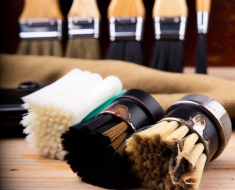
- Brush Bristle Debris: Synthetic or metal brush bristles can sometimes break off during cleaning, leaving microscopic fragments in the barrel.
- Patch Fibers: Cotton patches can shred and leave fibers inside the barrel if low-quality materials are used or patches are reused excessively.
The presence of these residues matters because they can have several negative effects:
- Accuracy Degradation: Residues inside the barrel can alter bullet trajectories by affecting barrel friction.
- Corrosion Risk: Some solvent residues are acidic or hygroscopic (absorb moisture), increasing the risk of rust formation.
- Malfunctions: Excessive lubricant buildup can attract grit or cause cycling issues in semi-automatic firearms.
- Health Concerns: Chemical residues may pose inhalation risks during subsequent firing sessions if not properly removed.
Selecting the Right Products: Avoiding Residue from the Start
The first step in preventing residue buildup is choosing high-quality cleaning products that evaporate cleanly or offer easy wipe-off properties. Consider the following factors when selecting your gun care supplies:
- Synthetic vs. Petroleum-Based Solvents: Synthetic solvents tend to evaporate cleaner with less oily residue than petroleum-based ones. For example, popular synthetic solvents like Break-Free CLP are known for their low-residue formula.
- Lubricants with Dry Film Options: Dry lubricants such as Teflon-based sprays leave a thin non-sticky layer that resists dust adhesion better than heavy oils.
- Patches Made from High-Quality Materials: Use tightly woven cotton or microfiber patches designed specifically for firearms to minimize fiber shedding inside barrels.
- Avoid Overuse of Products: Excessive solvent soaking or over-lubrication leads to build-up; follow manufacturer instructions carefully.
A case study conducted by the National Shooting Sports Foundation (NSSF) revealed that switching from traditional petroleum-based solvents to modern synthetic cleaners reduced fouling residue by over 40% in test firearms after repeated cleanings over six months. This highlights how product choice directly impacts residue accumulation over time.
Best Practices During Gun Cleaning: Techniques to Minimize Residue
The technique you employ during cleaning plays a significant role in preventing residual buildup. Follow these guidelines for effective cleaning with minimal leftover deposits:
- Apply Solvent Sparingly: Use just enough solvent to dissolve fouling without saturating components excessively. Soak patches rather than flooding chambers with liquid solvent.
- Dwell Time Management: Allow solvents to work briefly—usually between 5-10 minutes—to avoid prolonged chemical exposure that can leave deposits behind.
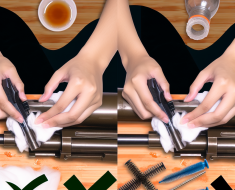
- Patching Thoroughly: After loosening fouling with solvent-soaked patches, use dry patches repeatedly until they come out clean to ensure removal of both fouling and solvent residue.
- Clean Barrel in One Direction: Run brushes and patches from chamber to muzzle only; reverse motions can embed debris into rifling grooves leading to buildup.
- Avoid Reusing Patches or Brushes Indefinitely: Replace cotton patches after every few strokes and inspect brushes regularly for broken bristles that may lodge inside barrels or mechanisms.
An example from competitive shooters illustrates this well—Marksmanship teams at national championships often employ a “dry patch finish” method where they end each cleaning session by running multiple dry patches through their barrels until absolutely no solvent smell remains. This reduces unexpected changes in bullet velocity caused by residual solvent films during firing competitions.
The Importance of Proper Drying and Storage
Cleansing your firearm is only half the battle; drying it properly afterward is equally critical in preventing residue-related problems.