How to Clean and Maintain Tactical Rifles: A Comprehensive Guide
Tactical rifles are precision instruments designed to perform reliably under demanding conditions. Whether used by military personnel, law enforcement, competitive shooters, or firearm enthusiasts, maintaining these rifles is crucial for safety, performance, and longevity. Proper cleaning and maintenance not only enhance accuracy but also prevent malfunctions that could compromise critical moments.
This article provides a detailed overview of how to clean and maintain tactical rifles effectively. From understanding the anatomy of your rifle to adopting best practices in cleaning and routine care, this guide will equip you with the knowledge to keep your tactical firearm in optimal condition.
Understanding Your Tactical Rifle: The Foundation of Maintenance
Before diving into cleaning techniques, it’s important to understand the components and functions of your tactical rifle. Tactical rifles come in various configurations—commonly AR-15s, AK-47s, SCARs, or precision bolt-action rifles—but share many similar parts that require attention during maintenance.
- Barrel: The barrel is the tube through which the bullet travels. It needs regular cleaning to prevent fouling and corrosion.
- Bolt Carrier Group (BCG): This assembly cycles rounds and must be cleaned frequently to avoid jams.
- Upper and Lower Receivers: Houses key components; requires inspection for dirt buildup and wear.
- Gas System: In gas-operated rifles (e.g., AR-15), this system channels gases back to cycle the action; carbon buildup here can cause malfunctions.
- Trigger Assembly: Ensures smooth firing; should be kept free from debris but lubricated appropriately.
A thorough understanding of these parts helps identify where grime accumulates and which areas require lubrication or special care during cleaning.
The Importance of Regular Cleaning: Why Routine Maintenance Matters
Failing to clean a tactical rifle regularly can lead to performance degradation, increased wear on parts, and even dangerous malfunctions. According to a study by the National Institute of Justice (NIJ), approximately 15% of reported firearm malfunctions in law enforcement stem from poor maintenance practices.
Tactical rifles exposed to harsh environments—such as dust, mud, rain, or saltwater—are particularly vulnerable. Carbon fouling from gunpowder residue accumulates rapidly within the barrel and gas systems after firing just 100 rounds. This buildup can cause extraction failures or increased recoil.
In addition, improper lubrication or neglect can accelerate corrosion of metal parts. Maintaining your rifle ensures reliability when it matters most—whether on duty or at the range—and prolongs its service life considerably.
Step-by-Step Guide: How to Clean a Tactical Rifle Properly
The cleaning process varies slightly depending on rifle model but generally follows these steps. Always consult your rifle’s manufacturer manual for model-specific instructions before starting.
1. Safety First: Prepare Your Workspace
-
Ensure the rifle is unloaded by checking both the chamber and magazine.
-
Select a well-ventilated area with good lighting for disassembly and cleaning.
-
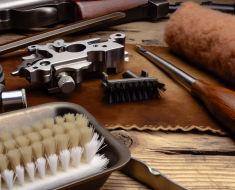
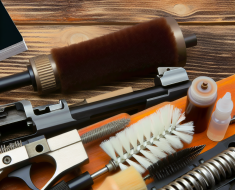
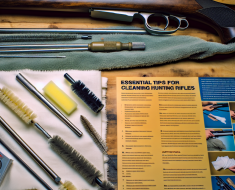
Gather necessary tools: cleaning rod, bore brushes, patches, solvent, lubricant/oil, nylon brush, microfiber cloths, Q-tips, and gloves if desired.
2. Field Strip Your Rifle
Disassemble your rifle into its major components such as bolt carrier group (BCG), upper receiver, lower receiver, charging handle, barrel (if detachable), and magazines. This allows access to all surfaces that need cleaning.
3. Clean the Barrel
-
Apply a quality bore solvent inside the barrel using a bore brush attached to a cleaning rod. Run it back-and-forth several times to loosen fouling.
-
Push patches soaked with solvent through until they come out clean—this may take multiple iterations depending on fouling level.
-
Use dry patches afterwards to remove any remaining solvent residue.
-
If available, use a bore snake for quicker routine cleaning between detailed sessions.
4. Clean the Bolt Carrier Group (BCG)
-
Use a nylon brush dipped in solvent to scrub carbon deposits off bolt faces, gas rings, cam pin areas, extractor grooves, and firing pin channels.
-
A Q-tip can reach small crevices effectively without damaging components.
-
Wipe all parts dry with a microfiber cloth before reassembly.
5. Clean Other Components
-
The upper receiver should be wiped down inside the chamber area and along rails where BCG slides back and forth.
-
The lower receiver requires less solvent but should be cleaned for dust/debris around trigger assembly carefully without over-lubricating.
-
The charging handle can be wiped clean similarly using solvent-soaked cloths or brushes.
6. Lubricate Critical Areas
Lubrication reduces
friction and ensures smooth operation of the rifle’s moving parts. Apply lubricant sparingly to the bolt carrier group, charging handle, and other key areas to maintain optimal performance.
Regular cleaning and maintenance will extend the life of your tactical rifle and enhance its reliability during use.