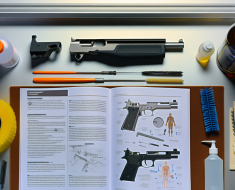
Best Solvents and Oils for Gun Cleaning
Proper gun maintenance is essential for ensuring the reliability, accuracy, and longevity of any firearm. One of the most critical aspects of maintenance is cleaning, which involves removing fouling, residues, and contaminants that accumulate during shooting. Using the right solvents and oils plays a pivotal role in this process. This article explores the best solvents and oils for gun cleaning, providing an in-depth understanding of their functions, types, and practical applications.
The Importance of Proper Gun Cleaning
Before diving into specific solvents and oils, it is vital to understand why gun cleaning matters. Residue buildup from powder, lead, copper, and carbon can degrade performance by causing jams, misfires, or inaccurate shots. Moisture and contaminants can also lead to rust or corrosion, damaging the firearm irreparably over time.
According to a 2020 survey by the National Shooting Sports Foundation (NSSF), more than 70% of firearm owners perform regular cleaning after every use or at least every 100 rounds fired. This highlights the widespread recognition among enthusiasts of proper maintenance’s role in firearm safety and performance.
Understanding Gun Cleaning Solvents
Gun cleaning solvents are chemical agents designed to break down and dissolve fouling residues inside barrels and other components. They vary widely in formulation depending on their target residue type — whether carbon deposits, lead fouling, copper fouling, or general grime.
The ideal solvent should:
- Effectively remove stubborn fouling without damaging metal surfaces
- Evaporate cleanly without leaving harmful residues
- Be safe to use on various firearm finishes including blued steel, stainless steel, polymer parts
Types of Gun Cleaning Solvents
- Carbon Removers: These solvents target carbon fouling created from powder combustion. Examples include Hoppe’s No. 9 and M-Pro7 Gun Cleaner.
- Copper Solvents: Copper fouling occurs primarily in rifle barrels using jacketed bullets; solvents like Birchwood Casey’s “Copper Solvent” or Shooter’s Choice Copper Eliminator are formulated to dissolve copper deposits effectively.
- Lead Removers: Lead fouling results from lead bullets depositing material inside barrels; products like Outers Lead Remover specialize in breaking down these residues.
- General Purpose Solvents: These are multipurpose cleaners capable of removing grease, oil residues, dirt along with minor carbon fouling—examples include Break-Free CLP (Cleaner-Lubricant-Protector) or Ballistol Multi-Purpose Oil.
Case Study: The Effectiveness of Copper Solvents
A study conducted by the U.S. Army Marksmanship Unit compared different copper solvents on AR-15 barrels after firing 500 rounds each. The results indicated that Birchwood Casey’s “Copper Solvent” removed up to 95% of copper fouling within five minutes of application compared to about 60% removal with general-purpose CLPs. This demonstrates how specialized solvents enhance cleaning efficiency for specific fouling types.
The Role of Gun Oils in Maintenance
While solvents clean the firearm by dissolving unwanted residues, oils serve multiple purposes including lubrication, rust prevention, and protection against wear. After thorough cleaning with solvents, applying a quality oil ensures smooth operation of moving parts and guards against corrosion caused by moisture exposure.
Key Properties to Look for in Gun Oils
- Lubrication: Reduce friction between moving parts such as triggers, bolts, and slides.
- Corrosion Resistance: Protect metal surfaces from oxidation especially in humid environments.
- Viscosity: Should be appropriate—not too thick to gum up mechanisms nor too thin to evaporate quickly.
- Non-Toxicity: Safe handling properties for users who clean firearms frequently.
Popular Gun Oils Explained
- CLP (Cleaner-Lubricant-Protector): Products like Break-Free CLP combine solvent action with lubrication and protection in one formula—ideal for quick maintenance sessions.
- Molybdenum Disulfide-Based Oils: Known as “moly” oils; these provide superior wear resistance under high stress but require careful application due to potential buildup.
- Synthetic Oils: These offer enhanced temperature stability and longer-lasting lubrication compared to traditional petroleum-based oils—for example, Slip2000 EWL (Extreme Weapons Lubricant).
- Natural Oils: Some shooters prefer natural options like Ballistol which is biodegradable and safe on wood stocks while still offering good protection.
Selecting the Right Combination: Solvent + Oil Systems
A common misconception among firearm owners is that a single product can fulfill all cleaning needs perfectly. However, combining specialized solvents with appropriate lubricating oils tends to yield better results than relying solely on multipurpose products.
The decision depends largely on your firearm type (handgun vs rifle), ammunition used (lead vs jacketed bullets), frequency of use, environmental conditions (humidity levels), and personal preferences regarding maintenance effort versus convenience.
- <