Reloading Rifle Ammo for Hunting Dangerous Game
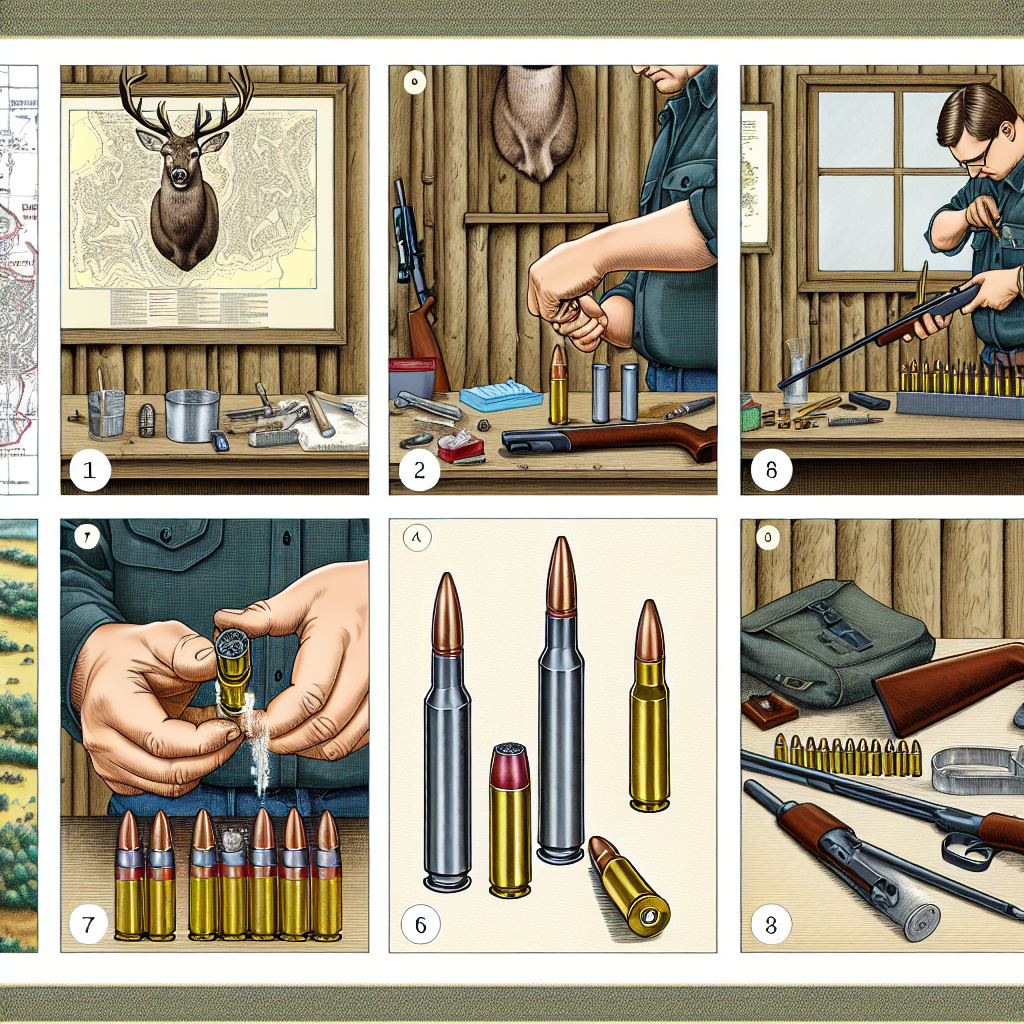
Hunting dangerous game is an endeavor that requires precision, preparation, and the utmost reliability in every aspect of the hunt. Among these, the quality and performance of your ammunition are paramount. Reloading rifle ammo offers hunters a customizable edge, allowing them to tailor their loads for optimal performance against large, tough animals such as Cape buffalo, lions, or grizzly bears. This article explores the intricacies of reloading rifle ammo for dangerous game hunting, emphasizing safety, performance, and practicality.
Understanding the Importance of Reloading Ammo for Dangerous Game
When hunting dangerous game, every shot counts—there are no second chances with a wounded animal that can charge back. Factory ammunition may not always meet the specific requirements needed for such high-stakes hunts. Reloading allows hunters to produce ammunition that is not only tailored to their rifle but also optimized for penetration, expansion, and terminal ballistics.
Reloading gives you control over:
- Bullet selection: Choosing the right bullet type and weight to match your game.
- Powder charge: Adjusting powder loads to achieve ideal velocity and pressure.
- Consistency: Producing rounds with uniform performance for better accuracy.
- Cost-effectiveness: Reducing costs compared to premium factory loads.
A well-reloaded cartridge can provide superior penetration on thick-skinned dangerous game or controlled expansion on big cats where quick incapacitation is critical.
The Fundamentals of Reloading: What You Need to Know
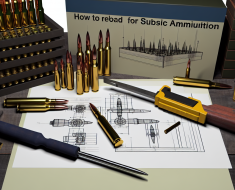
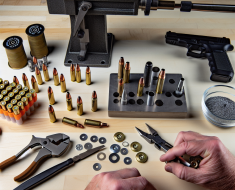
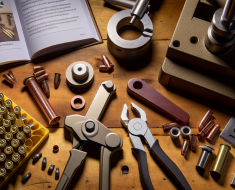
Reloading rifle ammo involves assembling individual components—cases, primers, powder, and bullets—to create complete cartridges. For hunting dangerous game, precision and safety are non-negotiable due to the high pressures involved and the need for reliable performance.
Essential Components
- Cases: Typically brass; must be inspected for defects and resized properly.
- Primers: Provide ignition; match primer type to cartridge specifications (e.g., large rifle magnum primers).
- Powder: Select powders that burn cleanly with consistent velocity; slow-burning powders are common for larger calibers.
- Bullets: Choose heavy-for-caliber bullets designed for deep penetration or controlled expansion (e.g., bonded solids or monolithic copper bullets).
The choice of components directly affects terminal ballistics. For instance, a .375 H&H Magnum loaded with a 300-grain bonded bullet and an appropriate powder charge delivers deep penetration suitable for thick-skinned buffalo or elephant.
The Reloading Process Overview
- Case Preparation: Cleaning, resizing, trimming, and priming cases to ensure reliability.
- Powder Charging: Measuring precise powder charges using calibrated scales and dispensers.
- Bullet Seating: Seating bullets at correct depths to maintain overall cartridge length within safe limits.
- Casing Crimping: Applying crimp as needed to secure bullet firmly without deforming it.
- Quality Control: Inspecting rounds for defects or inconsistencies before use in the field.
A meticulous approach reduces risks such as overpressure situations or inconsistent velocities that could jeopardize both safety and accuracy.
Selecting Calibers and Bullets Optimal for Dangerous Game
The caliber you choose largely depends on the species you intend to hunt, terrain conditions, and personal preference. Some calibers have earned reputations as “classic” dangerous game rounds due to their balance of power and manageability. Popular calibers include .375 H&H Magnum, .416 Rigby, .458 Winchester Magnum, .450 Marlin, and more recently powerful cartridges like the .500 Jeffery or .505 Gibbs.
Caliber Considerations
- .375 H&H Magnum: Often regarded as the minimum standard for dangerous African game; versatile with a wide range of bullet weights from 235-300 grains.
- .416 Rigby / .416 Remington Magnum: Known for deep penetration with heavier bullets (350-400 grains), ideal for Cape buffalo or lions.
- .458 Winchester Magnum / .458 Lott: Heavy-hitting calibers favored by many professional hunters due to their stopping power at close ranges.
- .500 Jeffery / .505 Gibbs: Ultra-magnum calibers reserved for the largest game like elephant; very high recoil but unmatched energy delivery.
Selecting Bullets for Dangerous Game Hunting
The bullet’s construction is critical when facing thick-skinned animals capable of charging under heavy firepower. Bonded bullets (where lead core is chemically bonded to copper jacket) prevent jacket separation during impact ensuring deep penetration. Monolithic solid bullets made entirely from copper alloys offer controlled deformation without fragmentation—preferred against animals like elephants where maximum penetration is required without expansion.
-
Bull’s-eye Penetration vs Controlled Expansion: Bull’s-eye Penetration is essential for ensuring that the bullet reaches vital organs, while controlled expansion allows for effective energy transfer without compromising penetration depth.
Understanding these factors is crucial for making informed choices when reloading ammunition for dangerous game hunting.