Reloading and Case Annealing: When and How
Reloading ammunition is a popular practice among shooting enthusiasts, competitive marksmen, and hunters who seek to optimize performance, reduce costs, or customize loads. However, the process of reloading involves more than simply assembling components; it requires a nuanced understanding of the brass cases that house the propellant and projectile. One critical aspect of brass maintenance is case annealing—a heat treatment process that restores the metallurgical properties of spent cases.
This article explores the interplay between reloading and case annealing, offering insights on when and how to anneal cases effectively. Drawing on expert advice, case studies, and scientific principles, we will help reloaders make informed decisions to enhance safety, consistency, and longevity in their ammunition.
Understanding Reloading: The Basics
Reloading is the process of assembling firearm cartridges by combining four essential components: the bullet, powder charge, primer, and cartridge case. This practice allows shooters to tailor ammunition to specific needs such as accuracy, recoil management, or cost efficiency.
The cartridge case is typically made from brass due to its excellent ductility and corrosion resistance. During firing, the case undergoes significant mechanical stress: it expands against the chamber walls upon ignition and contracts slightly afterward. These repeated cycles cause work hardening in the brass material.
- Work Hardening: This is a phenomenon where metal becomes harder and more brittle after repeated deformation.
- Brass Longevity: Brass can be reloaded multiple times—commonly between 5 to 10 cycles—before it becomes prone to cracking or failure.
Reloaders must carefully inspect their cases for signs of wear such as cracks near the neck or shoulder areas. Failing to do so can lead to dangerous malfunctions or inconsistent ballistics.
What is Case Annealing?
Case annealing is a controlled heat treatment process that softens the brass at specific points to reverse work hardening effects. By heating the neck and shoulder area of the cartridge case to a precise temperature range—usually around 650°C (1200°F)—the brass’s crystalline structure realigns into a more ductile state.
This restoration reduces brittleness and enhances flexibility, which helps prevent premature case failures during resizing and firing. Annealing can significantly extend the life of expensive match-grade brass.
- Targeted Annealing: Only the neck and shoulder regions are annealed since these areas undergo the most deformation during firing and resizing.
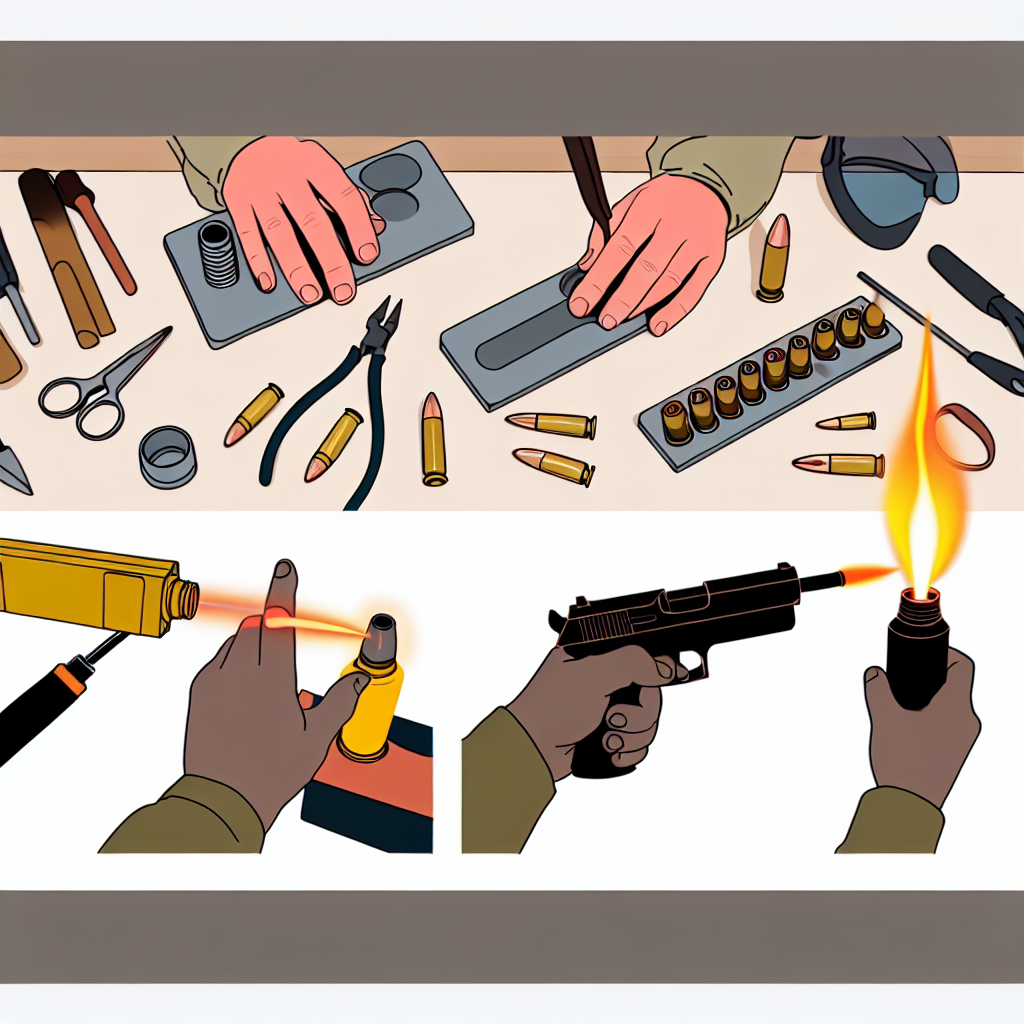
- Methods: Common techniques include using propane torches, induction heaters, or specialized annealing machines for precision control.
When Should You Anneal Your Brass?
The decision to anneal depends on several factors including how often you reload your brass, what caliber you use, shooting style, and whether you prioritize ultimate performance or convenience. Here are some guidelines:
- Frequency of Reloading: Brass used for many reloads (e.g., over 5-10 times) will typically benefit from annealing to maintain integrity.
- Type of Shooting: Benchrest shooters or long-range competitors often anneal more frequently because they demand consistent neck tension for accuracy.
- Caliber Considerations: Cases with thin necks (like .223 Remington) tend to work-harden faster than thick-walled cases like .308 Winchester.
- Signs of Hardening: Visible cracks at the neck/shoulder junction or difficulty resizing cases indicate it may be time to anneal.
A useful rule of thumb is that once you notice increased resistance during resizing or see microscopic cracks under magnification (using a loupe), it’s time for annealing. Some reloaders also choose preventive annealing every few reloads for premium brass used in competition rounds.
The Annealing Process: Step-by-Step Guide
The annealing process requires precision since overheating can ruin your brass by softening areas that need strength (such as the base), while underheating won’t relieve enough stress. Here’s an overview of how to properly anneal your cases:
Select Your Equipment
- Propane Torch: A popular choice due to affordability but requires skill for consistent results.
- Induction Annealer: Provides precise control over temperature and duration but is more expensive upfront.
- Lamp Annealers & Specialized Machines: Designed specifically for batch processing with uniformity.
Preparation
-
Clean Your Cases: Remove powder residue and dirt using ultrasonic cleaners or tumblers with media like corn cob or walnut shell grit.
-
Dampening Method (Optional): Some reloaders dip the neck area in water before heating; this helps create a temperature gradient ensuring only neck/shoulder reaches critical heat without damaging other parts.
Annealing Steps
-
Mouth Expansion Tool: Use an expander mandrel sized slightly larger than bullet diameter to hold case mouth open during heating for uniform exposure if desired.
<