Reloading with Powder Coated Bullets: A Comprehensive Guide
Reloading ammunition is a meticulous art that combines precision, safety, and an understanding of ballistics. Among the various bullet finishing techniques, powder coating has gained significant popularity in recent years. Powder coated bullets offer several advantages over traditional jacketed or cast lead bullets, including reduced barrel leading, enhanced accuracy, and environmental benefits. This article delves into the world of reloading with powder coated bullets, exploring the process, benefits, challenges, and best practices to help reloaders maximize their shooting experience.
What Are Powder Coated Bullets?
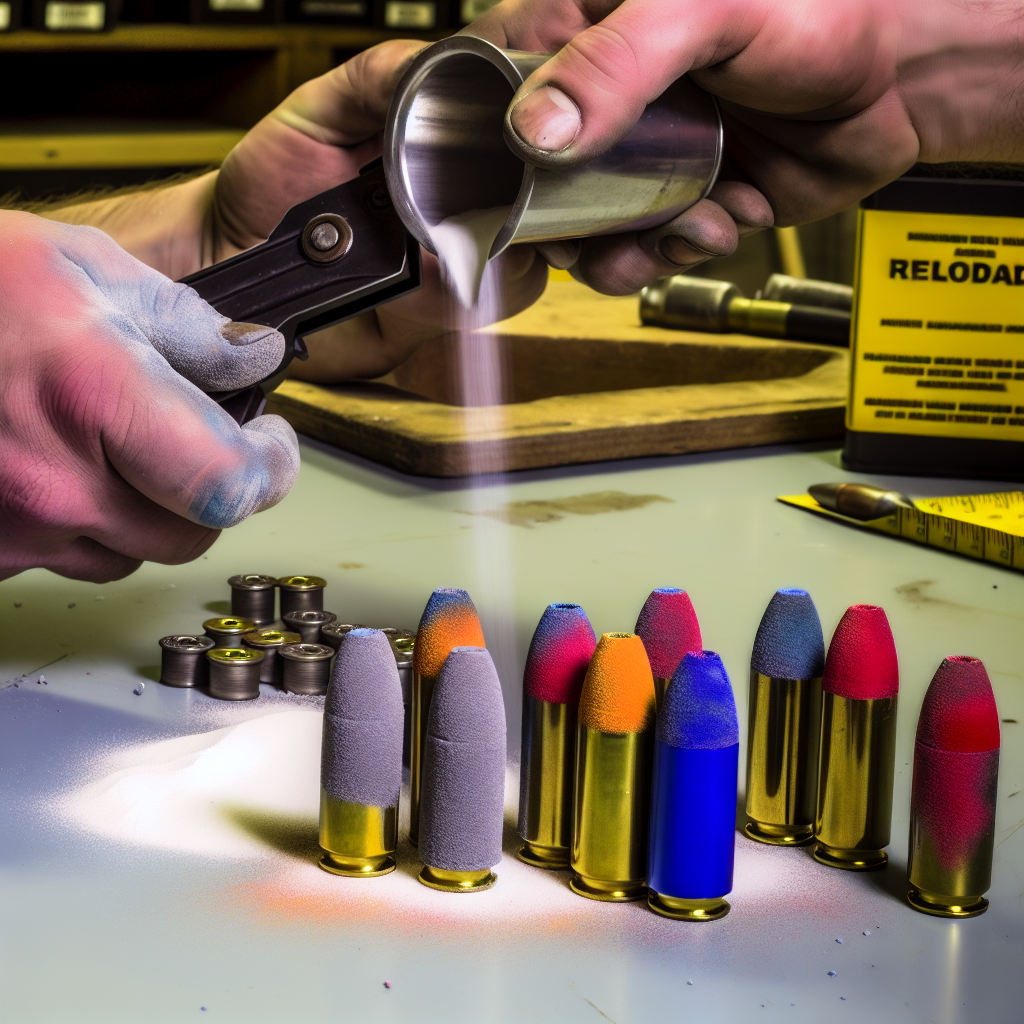
Powder coating is a method of applying a durable polymer finish to bullets using an electrostatic spray and heat curing process. Unlike conventional jacketed bullets that use copper or other metals as jackets, powder coated bullets are typically cast lead bullets coated with a layer of colored polymer powder. This coating acts as a protective barrier between the bullet and the barrel bore.
The process involves:
- Cleaning the cast lead bullet to remove oils and debris
- Electrostatically applying dry powder coating to the bullet surface
- Curing the coated bullets in an oven at temperatures usually between 350-400°F (177-204°C) for around 20 minutes
The result is a smooth, hard finish that reduces friction and prevents lead from depositing inside the barrel—a common problem with uncoated lead bullets.
Advantages of Using Powder Coated Bullets in Reloading
Reloaders have increasingly adopted powder coated bullets due to their unique advantages compared to traditional bullets. Some key benefits include:
Reduced Barrel Leading
One of the most common issues with casting and shooting lead bullets is barrel leading—the accumulation of lead deposits inside the barrel bore that can affect accuracy and increase cleaning time. The polymer coating acts as a barrier preventing molten lead from adhering to the rifling during firing.
- A study by Sierra Bullets indicated that powder coated bullets can reduce barrel leading by up to 90% compared to uncoated cast lead bullets.
- This reduction translates into longer shooting sessions without cleaning breaks.
Enhanced Accuracy and Consistency
The smooth finish of powder coated bullets leads to more consistent velocities and better engagement with rifling grooves. Some reloaders report tighter groups due to reduced deformation of the bullet during firing.
- A case study involving .45 ACP rounds showed an average group size improvement of 15% when switching from lubricated cast lead to powder coated bullets.
- The uniformity in coating thickness helps maintain consistent bullet diameter and weight distribution.
Environmental and Health Benefits
Traditional bullet lubes often contain toxic substances such as petroleum-based oils or waxes which can be hazardous during handling and cleaning. Powder coatings are typically non-toxic once cured and produce less residue in spent brass casings.
- This makes them more environmentally friendly for outdoor shooting ranges.
- Less toxic residue also means safer conditions for reloaders who frequently handle their ammunition components.
Customization Options
The availability of various colors and finishes allows reloaders to easily identify different loads or calibers visually, which is particularly useful for competitive shooters or hunters managing multiple rounds.
- Colors like red, blue, green, black, or even metallic finishes provide aesthetic appeal along with functional benefits.
- This color-coding system helps prevent loading errors during critical moments.
The Process of Reloading with Powder Coated Bullets
Reloading with powder coated bullets requires some adjustments compared to traditional methods. Below is an overview of each step:
Selecting Suitable Bullets
Casting your own lead bullets or purchasing pre-cast ones designed for powder coating is essential. Hardness levels should ideally be around 18-22 BHN (Brinell Hardness Number) for optimal performance after coating.
- Softer bullets may deform during handling or firing despite coating.
- Ensure bullet weight consistency through sorting if casting at home.
Cleansing & Preparation for Coating
The bullet surface must be clean and free from lubricants or contaminants before applying powder coat. Typical methods include:
- Tumbling with stainless steel pins or media in a rotary tumbler to remove residual lube from casting molds
- Chemical degreasing solutions (e.g., acetone baths) followed by thorough drying
Applying Powder Coat
An electrostatic spray gun is used to evenly coat each bullet. The charged particles adhere uniformly before curing:
- Batches are placed on non-conductive trays or screens for even coverage on all sides
- Avoid over-coating which can cause uneven thickness leading to chambering issues later on
Curing Process
Curing solidifies the polymer layer by heating it sufficiently without melting the bullet itself:
- A dedicated convection oven set between 350°F – 400°F is recommended for consistent temperature control.
-
Curing time typically ranges from 15 to 30 minutes, depending on the specific powder used and the thickness of the coat.
Overall, reloading with powder coated bullets can enhance performance and reduce lead exposure, making it a worthwhile process for enthusiasts.