How to Reload Magnum Cartridges Safely

Reloading magnum cartridges is a meticulous process that requires precision, knowledge, and safety awareness. Magnum cartridges, known for their high power and energy, are favored by hunters and shooting enthusiasts who demand performance and reliability. However, the increased pressures involved with magnum rounds make safe reloading practices essential to avoid accidents or firearm damage. This article delves deep into the fundamentals of safely reloading magnum cartridges, providing detailed guidelines, practical tips, and expert insights.
Understanding Magnum Cartridges: What Sets Them Apart?
Before diving into the reloading process, it’s important to understand what makes magnum cartridges unique. Magnum cartridges generally feature larger powder charges and longer cases than standard rounds, resulting in higher velocities and greater stopping power.
Some common examples of magnum cartridges include:
- .357 Magnum – Popular for revolvers with significant stopping power.
- .44 Magnum – Known for its use in hunting and self-defense.
- .300 Winchester Magnum – A favored choice for long-range hunting and precision shooting.
- .338 Lapua Magnum – Renowned for extreme long-range accuracy in sniper applications.
The high pressures generated by these rounds necessitate careful adherence to reloading protocols. Overcharging or using incorrect components can lead to catastrophic failures such as case ruptures or firearm damage.
Essential Equipment and Components for Safe Reloading
The foundation of safe magnum cartridge reloading lies in using quality equipment and components designed specifically for high-pressure rounds. Here are the essential tools and materials you need:
- Reloading Press: A sturdy press capable of handling magnum cartridge dimensions and pressures is crucial. Single-stage presses offer precision, while progressive presses provide speed but require careful monitoring.
- Dies: Properly sized full-length resizing dies designed for your specific magnum cartridge ensure correct case dimensions post-firing.
- Brass Cases: Use high-quality, undamaged brass cases rated for magnum pressures. Cases with visible cracks or deformities should be discarded.
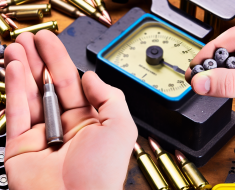
- Powder Scale: Accurate measurement of powder charges is vital. Invest in a digital scale capable of measuring to at least one-tenth of a grain.
- Powder Measure: For repetitive charges, a reliable powder measure helps dispense consistent amounts of powder.
- Primers: Use primers specifically recommended for magnum cartridges; often these are “magnum primers” which provide a hotter ignition necessary for large powder charges.
- Bullet Seating Tools: Seating dies and crimping tools designed to accommodate the specific bullet profile help ensure consistent seating depth and secure bullet placement.
Quality components from reputable manufacturers reduce the risk of malfunctions during firing. For example, Hornady, Nosler, Winchester, and Federal all produce reliable brass and bullets suited for magnum loads.
The Reloading Process: Step-by-Step Guide
The following step-by-step guide outlines the process of safely reloading magnum cartridges. Each step requires attention to detail to maintain safety standards.
1. Inspecting Brass Cases
Begin by thoroughly inspecting your spent brass cases. Look for any signs of cracking, bulging, or excessive wear around the neck or base. Discard any compromised cases as they may fail under high pressure loads typical of magnums.
2. Cleaning and Resizing
Clean all cases using ultrasonic cleaners or media tumblers to remove residue. Resizing the case with full-length resizing dies returns it to factory dimensions while also ensuring proper chamber fitment during firing.
3. Trimming Case Lengths
Casing length can stretch after repeated firings; trim cases back to recommended specifications using a case trimmer tool. Maintaining correct length prevents feeding issues or dangerous pressure spikes caused by improper seating depth.
4. Priming the Case
Select the appropriate primer type—typically large rifle magnum primers—and seat them carefully without damaging the primer cup or anvil inside. Primer seating depth should be uniform across all rounds to maintain consistent ignition timing.
5. Measuring Powder Charges Accurately
This step is critical when dealing with magnums due to their higher powder volumes. Use published load data from trusted sources like Hodgdon Reloading Data Center or manufacturer manuals as baseline references.
- Avoid exceeding maximum recommended loads under any circumstances unless you have extensive experience backed by pressure testing data.
- If experimenting with new powders or bullet weights, start at minimum loads and work upward gradually while monitoring signs of overpressure such as flattened primers or difficult extraction.
- Avoid mixing different powders within the same batch to prevent inconsistent burn rates leading to dangerous pressure spikes.
6. Seating Bullets Properly
The bullet must be seated at correct depths according to load data, ensuring optimal chamber fit without causing excessive pressure buildup.
- A consistent crimp helps stabilize bullets during recoil but avoid over-crimping which can deform bullets or increase pressures excessively.
-
If loading hollow points, ensure they are seated correctly to maintain reliability and accuracy. Proper attention to detail in every step of the reloading process will enhance both safety and performance.