How to Inspect and Sort Cases Before Reloading
Reloading ammunition is a meticulous process that demands attention to detail at every stage to ensure safety, reliability, and optimal performance. One of the most critical steps in this process is inspecting and sorting cases before reloading. Proper inspection not only extends the life of your brass but also prevents dangerous malfunctions such as case ruptures or firearm damage.
In this comprehensive guide, we will explore the essential techniques and best practices for inspecting and sorting cases before reloading. We will also provide examples, statistics, and practical tips drawn from experienced reloaders and industry experts.
Understanding the Importance of Case Inspection
Before diving into the specifics of how to inspect and sort cases, it’s important to understand why this step is so crucial. Brass cases undergo significant stress during firing, including high pressures, heat, and mechanical deformation. These stresses can cause defects that are not always immediately visible but can lead to catastrophic failures if not identified.
According to a study published by the National Rifle Association’s Ammunition Technical Division, improperly inspected cases accounted for over 40% of reload-related malfunctions reported in 2022. This statistic underscores the importance of thorough case inspection as a foundational safety practice.
- Preventing Case Failures: Detecting cracks, splits, or excessive wear before reloading reduces the risk of case ruptures during firing.
- Improving Accuracy: Uniformity in case dimensions leads to consistent chamber pressures and improved shot-to-shot accuracy.
- Extending Brass Life: Identifying cases that are still serviceable helps maximize your investment in brass.
Step-by-Step Guide to Inspecting Cases
Inspection begins with a visual examination but extends to dimensional checks and cleaning. Below are detailed steps to effectively inspect your brass cases.
1. Visual Inspection
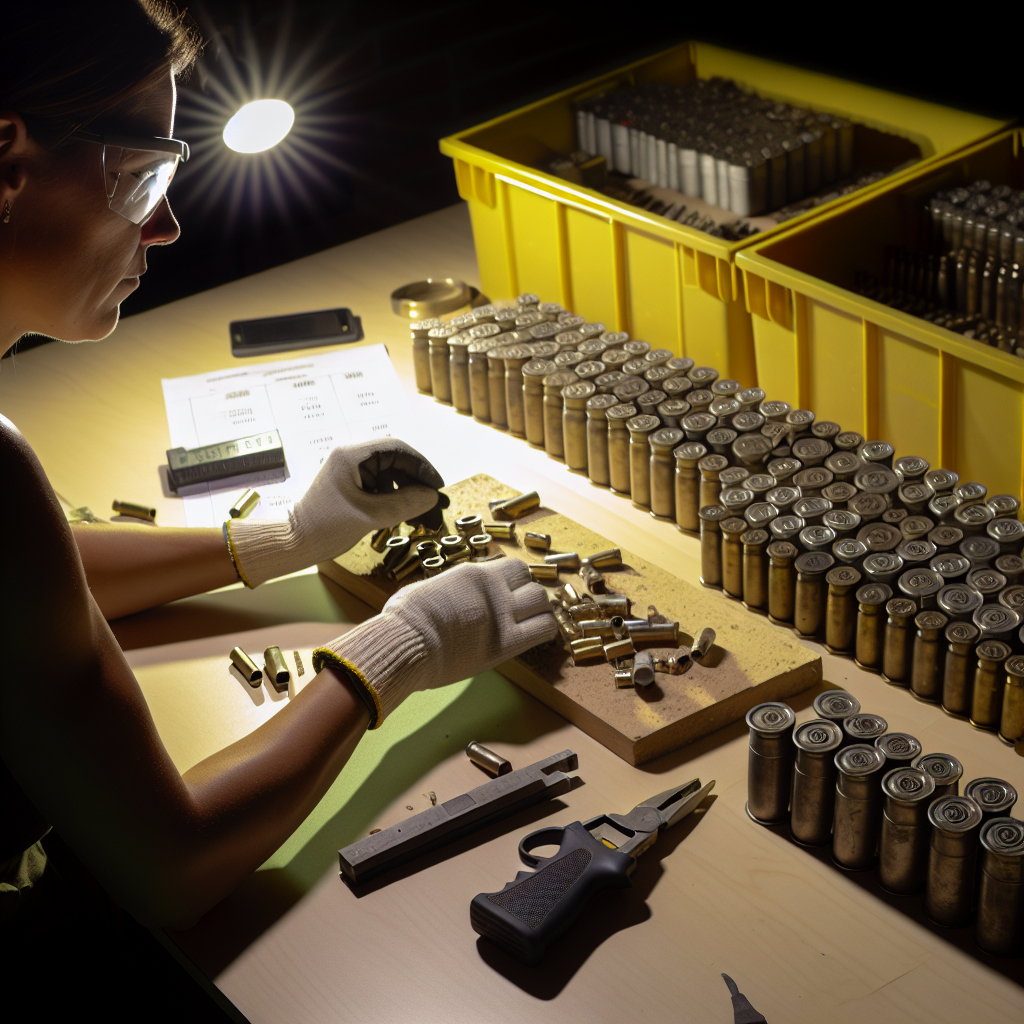
The first step is a thorough visual examination under good lighting conditions. Use a bright LED flashlight or magnifying glass to help identify subtle defects.
- Look for Cracks or Splits: Pay close attention to the case necks and the area near the web (the thick part just above the primer pocket), which are prone to cracks after repeated firings.
- Check for Deformations: Cases that have been dented, crushed, or bent should be discarded as they may not chamber correctly or could fail under pressure.
- Inspect Primer Pockets: Loose or damaged primer pockets can cause misfires or dangerous pressure spikes.
- Examine Case Mouths: Look for signs of splitting or uneven expansion which may affect bullet seating.
A useful example comes from a reloaders’ forum where one user shared a photo series showing microscopic cracks developing near the case neck after just five firings in high-pressure loads. This emphasizes how even seemingly minor flaws can grow rapidly if unnoticed.
2. Cleaning Cases Before Inspection
Dirt, powder residue, and carbon buildup can obscure defects during visual inspection. Cleaning your cases beforehand improves visibility and ensures more accurate assessments.
- Tumbling with Media: Using walnut shell media or stainless steel pins in a rotary tumbler effectively cleans brass without damaging it.
- Chemical Cleaning: Ultrasonic cleaners or chemical dips can remove stubborn residues but should be used cautiously to avoid brass corrosion.
A study conducted by Hornady demonstrated that tumbling cases prior to inspection increased defect detection rates by approximately 25%, highlighting its importance in thorough inspections.
3. Dimensional Checks
Visual inspection alone is insufficient since some failures stem from subtle dimensional changes due to stretching or shrinking caused by repeated firing and resizing cycles.
- Case Length Measurement: Use calipers or dedicated case gauges to measure length against manufacturer specifications; excessive elongation indicates it’s time to discard the case.
- Neck Thickness Measurement: Thickened necks can cause improper bullet seating and pressure issues; use micrometers designed for this purpose.
- Primer Pocket Depth and Diameter: Verify primer pockets remain within safe tolerances using pocket gauges; loose pockets warrant case rejection.
The precision required in these measurements cannot be overstated — even minor deviations can influence internal ballistics significantly. Reloaders often maintain logs of their brass dimensions after each firing cycle to track wear patterns over time.
The Art of Sorting Cases: Why It Matters
After inspection comes sorting — organizing your cases into categories based on condition, size, brand, or intended load type. Effective sorting simplifies loading operations and enhances consistency during shooting sessions.
Main Sorting Criteria
- Status-Based Sorting:
- Good Condition: Cases free from defects with acceptable dimensions for continued use.
- Cautionary Use: Cases showing minor wear but still serviceable under reduced loads or specific applications.
- Eject/Recycle: Cases exhibiting cracks, splits, severe deformation, or out-of-tolerance dimensions must be discarded or recycled properly (e
ject/Recycle: Cases exhibiting cracks, splits, severe deformation, or out-of-tolerance dimensions must be discarded or recycled properly (ensuring safety and reliability).
By following these inspection and sorting practices, reloaders can enhance their shooting experience and ensure optimal performance.