The Science Behind Powder Burn Rates and Reloading
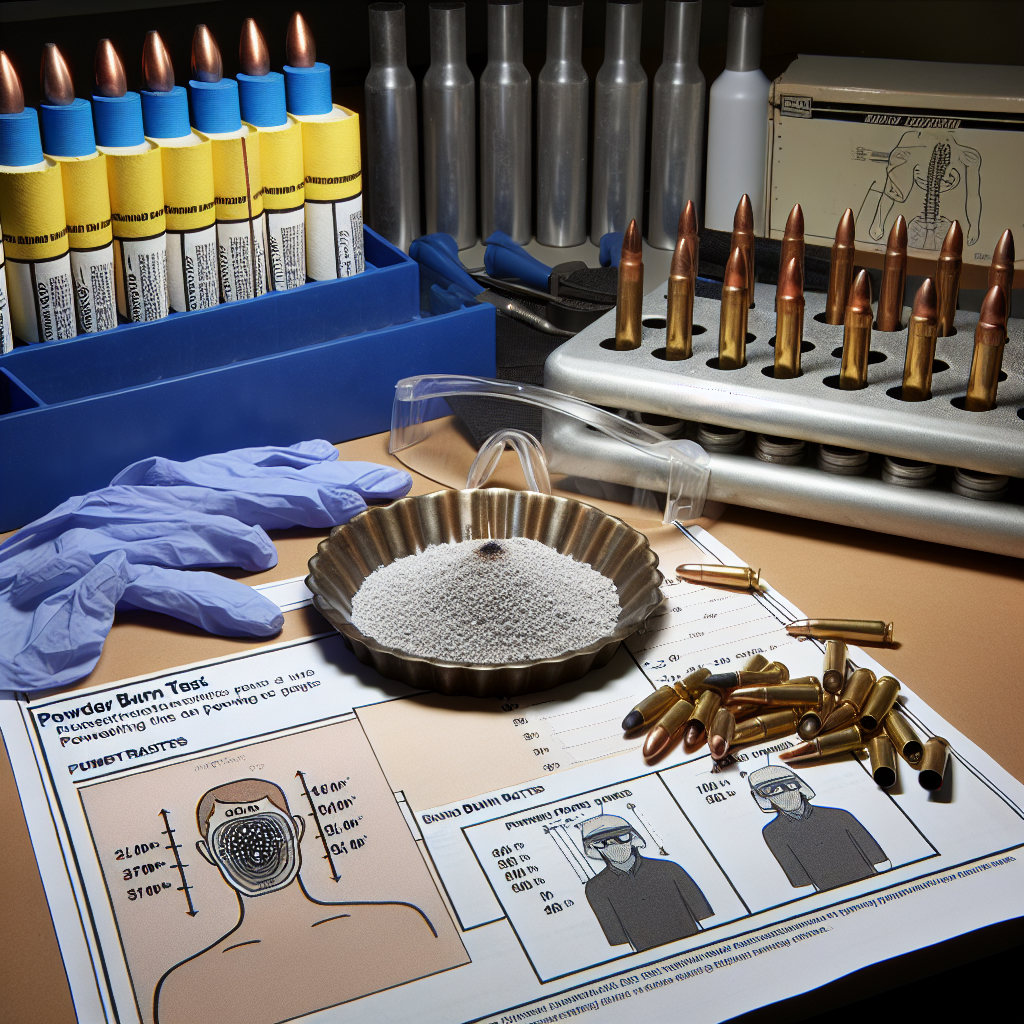
Reloading ammunition is a precise and highly technical process that requires an understanding of numerous factors to ensure safety, reliability, and optimal performance. Among these factors, the burn rate of the powder used plays a critical role in determining the internal ballistics of a cartridge. This article delves into the science behind powder burn rates, explaining their significance in reloading, the chemistry and physics involved, and how reloaders can use this knowledge to tailor their loads for specific applications.
Understanding Powder Burn Rates: What Are They?
At its core, the burn rate of a powder refers to the speed at which it combusts once ignited inside a cartridge case. This speed affects how quickly gases are produced, which in turn influences pressure levels and how efficiently energy is transferred to propel the bullet down the barrel.
Powders used in reloading are generally classified into two main categories:
- Fast-burning powders: These powders ignite and burn rapidly, producing high initial pressures but lower overall gas volume.
- Slow-burning powders: These burn more slowly over time, producing sustained pressure throughout the bullet’s travel down the barrel.
Choosing the correct burn rate is essential because it must match both the cartridge type and intended use. For example, handgun cartridges typically require faster-burning powders due to their shorter barrels and smaller case volumes, while rifle cartridges often benefit from slower-burning powders that maintain pressure over longer distances inside longer barrels.
The Chemistry Behind Powder Combustion
Powder combustion is a controlled chemical reaction involving rapid oxidation of energetic compounds within smokeless powder. Most modern smokeless powders consist primarily of nitrocellulose or a combination of nitrocellulose and nitroglycerin (double-base powders). The chemical makeup directly affects burn characteristics.
When ignited by a primer, the powder undergoes rapid decomposition:
- Nitrocellulose: Breaks down into gases such as nitrogen, carbon monoxide, carbon dioxide, water vapor, and other compounds.
- Nitroglycerin (if present): Adds energy density and influences burning rate by providing additional oxygen for combustion.
The design of powder granules also influences burn rate. Powders are manufactured in various shapes—spherical, flake, extruded cylindrical—and sizes that affect surface area exposed to ignition. For example:
- Spherical powders tend to have slower burning rates due to less surface area initially exposed.
- Flake powders ignite quickly because their thin shape allows rapid exposure.
- Extruded or stick powders can be engineered with perforations or channels that modify how combustion progresses internally.
This granule design is crucial for creating predictable pressure curves during firing.
The Physics of Burn Rate: Pressure Curves and Internal Ballistics
The internal ballistics phase describes what happens inside the firearm from ignition until the bullet exits the barrel. Burn rate directly affects internal ballistics by dictating how quickly pressure builds behind the bullet.
A fast-burning powder generates a sharp pressure spike early on. This can be advantageous for lighter bullets or shorter barrels where quick acceleration is needed. However, excessive peak pressure risks damaging components or causing dangerous malfunctions if not carefully controlled.
Slow-burning powders produce a more gradual increase in pressure but sustain it longer as the bullet travels down the barrel. This sustained push can improve velocity and reduce barrel wear due to smoother pressure curves but may not be ideal for all cartridge types.
The relationship between burn rate and pressure can be visualized through pressure-time graphs known as pressure curves. These graphs help reloaders understand how different powders influence performance:
- Sharp peak curves: Indicate fast-burning powders with quick gas generation followed by rapid drop-off.
- Broad plateau curves: Indicate slow-burning powders with prolonged gas generation sustaining bullet acceleration.
A classic example illustrating this is comparing Hodgdon’s H110 powder (a relatively fast-burning pistol powder) versus IMR 4350 (a slower-burning rifle powder). H110 generates high initial pressures suited for magnum handgun rounds like .44 Magnum or .357 Magnum, while IMR 4350 produces sustained pressures favorable for rifle cartridges like .30-06 Springfield or .308 Winchester.
The Importance of Matching Powder Burn Rate to Cartridge Type
Selecting an appropriate powder based on its burn rate relative to cartridge specifications is crucial for several reasons:
- Safety: Using too fast a powder in a large case rifle round can create dangerously high pressures before the bullet leaves the barrel.
- Performance optimization: Correctly matched powders maximize velocity without excessive recoil or wear on firearm components.
- Ammunition consistency: Consistent burn rates lead to predictable pressures and muzzle velocities shot-to-shot.
- Tuning loads for specific applications: Hunters may prefer certain burn rates for quieter reports or controlled expansion in hunting rounds; competitive shooters may prioritize peak velocity and accuracy stability.
An illustrative case study comes from competitive shooters who reload precision rifle ammunition.
Studies have shown that switching from a slower-burning powder to a faster one can significantly improve the accuracy and consistency of shot placement in precision shooting.
Understanding and selecting the right powder burn rate is essential for achieving optimal performance and safety in reloading ammunition.