Reloading for Precision Shooting: Best Practices
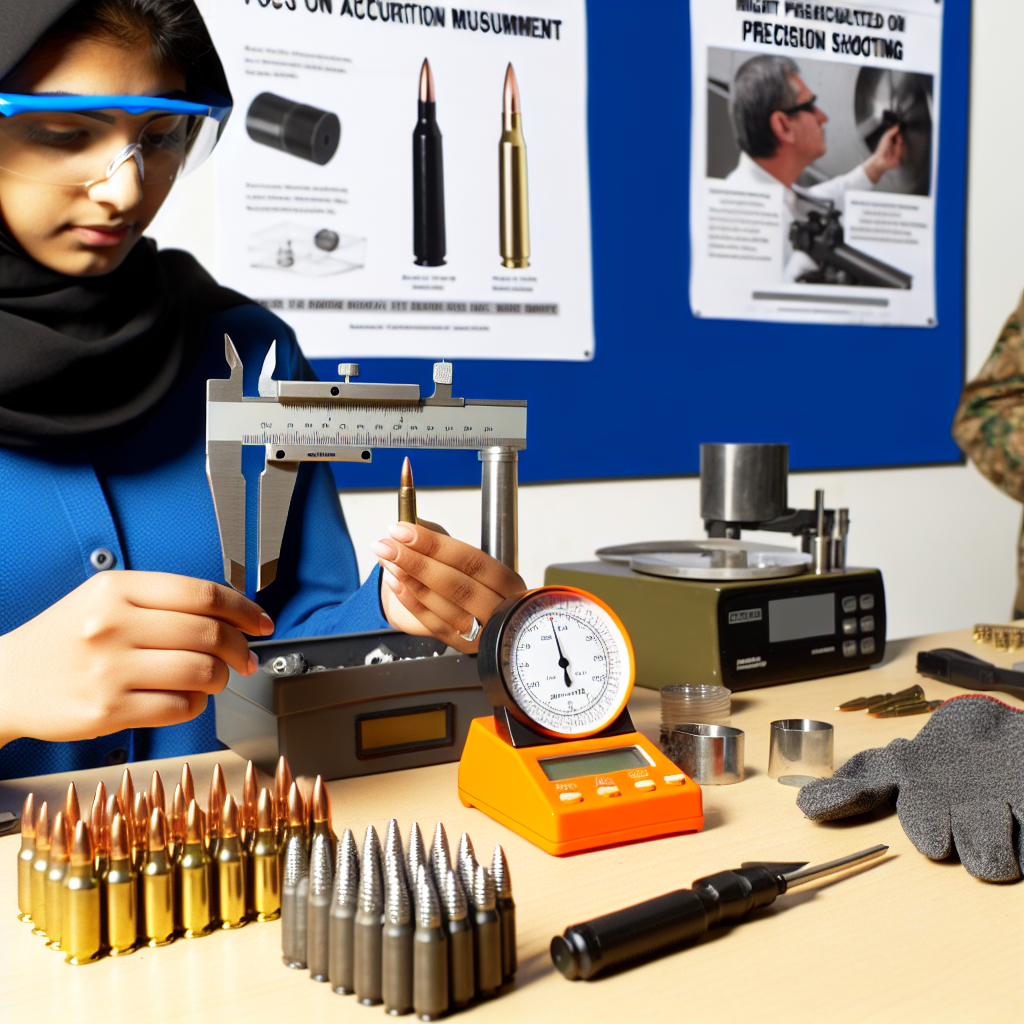
Precision shooting demands not only skill and discipline but also a deep understanding of the ammunition used. Reloading your own ammunition allows shooters to tailor loads specifically for their firearms, optimizing accuracy and consistency. However, achieving precision through reloading is a science that requires careful attention to detail, thorough research, and adherence to best practices.
In this article, we will explore the essential techniques and guidelines for reloading ammunition aimed at precision shooting. Whether you are a competitive shooter, a long-range enthusiast, or simply someone looking to improve your marksmanship, understanding the intricacies of reloading can greatly enhance your shooting performance.
The Importance of Precision Reloading in Shooting Sports
Precision shooting involves hitting targets with extreme accuracy, often at long distances or under challenging conditions. The quality and consistency of ammunition play a pivotal role in achieving these results. Factory ammunition is manufactured to meet general standards but often cannot match the tailored performance achieved through handloading.
Reloading allows shooters to:
- Customize loads: Adjust powder charges, bullet types, seating depth, and primers to fit specific firearm characteristics.
- Enhance consistency: Reduce variability between rounds, leading to tighter groupings on target.
- Improve ballistics: Optimize velocity and trajectory for better shot placement at various distances.
- Reduce costs: Save money by reusing cases and buying components in bulk.
A study by the National Rifle Association (NRA) found that precision shooters who reload their own ammunition experience an average improvement in group size by up to 30% compared to those using factory ammo. This statistic highlights how critical tailored loads are in competitive environments.
Essential Equipment and Components for Precision Reloading
The foundation of successful precision reloading starts with having the right tools and components. Investing in quality equipment ensures safety, accuracy, and repeatability throughout the process.
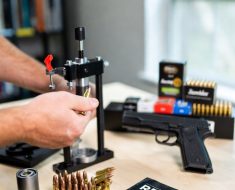
Reloading Press
A reliable reloading press is central to assembling cartridges consistently. There are several types:
- Single-stage presses: Ideal for beginners; allow precise control over each step but slower for large volumes.
- Twin-stage presses: Offer improved efficiency by combining two operations per cycle.
- Progressive presses: Automate multiple steps simultaneously; suitable for high-volume reloaders but require experience to maintain precision.
Dies and Shell Holders
Diverse calibers require specific dies that resize cases, seat bullets, and crimp if necessary. High-quality dies from manufacturers like Redding or Hornady provide better tolerances crucial for precision loads. Shell holders must match the cartridge case head diameter perfectly to avoid misalignment during resizing.
Powder Scale and Dispenser
The heart of consistent reloading is measuring powder charges accurately. A digital powder scale with at least 0.1-grain precision is recommended. For high-volume reloaders, automated powder dispensers increase speed while maintaining accuracy.
Briety Comparator Tools
Measuring cartridge overall length (COL) precisely impacts bullet seating depth relative to rifling—an important factor in accuracy. A comparator allows measurement from the case shoulder rather than the tip of the bullet for consistency across different bullet profiles.
Ammunition Components
- Brass cases: Choose quality brass with uniform dimensions; consider annealing once cases have been fired multiple times to restore case neck elasticity.
- Bullets: Match bullet weight and profile with intended use; heavier bullets generally provide better stability at longer ranges but may require more powder charge adjustments.
- Primers: Select primers compatible with your powder type (small rifle vs. large rifle); some shooters prefer match-grade primers for enhanced ignition consistency.
- Powders: Use powders known for uniform burn rates suited to your cartridge; Hodgdon’s Extreme line is popular among precision reloaders due to temperature stability.
The Reloading Process: Step-by-Step Best Practices
The meticulous nature of precision reloading demands following a disciplined process from start to finish. Below is an overview of the key steps involved in creating match-grade ammunition:
1. Case Preparation
- Inspect cases: Check for cracks, dents, or signs of excessive wear; discard damaged brass.
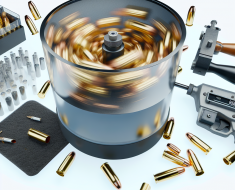
- Clean cases thoroughly: Use ultrasonic cleaners or media tumblers to remove dirt and residue that can affect chambering or pressure.
- Resize cases carefully: Use full-length resizing dies sparingly if you shoot match rifles that have tight chambers; consider neck sizing only if appropriate.
- Trim cases uniformly: Maintain consistent case length within manufacturer specifications using a quality case trimmer; variations can impact chamber pressure and bullet alignment.
- Anneal cases as needed: Annealing softens brass necks after multiple firings, preventing case neck splits and improving bullet release consistency.
2. Priming Cases
Avoid double prim
ing cases: Always check to ensure that only one primer is seated in each case to prevent misfires and ensure consistent ignition.
Following these best practices will help you achieve the precision needed for successful shooting performance.