Essential Tools Every Reloading Enthusiast Should Own
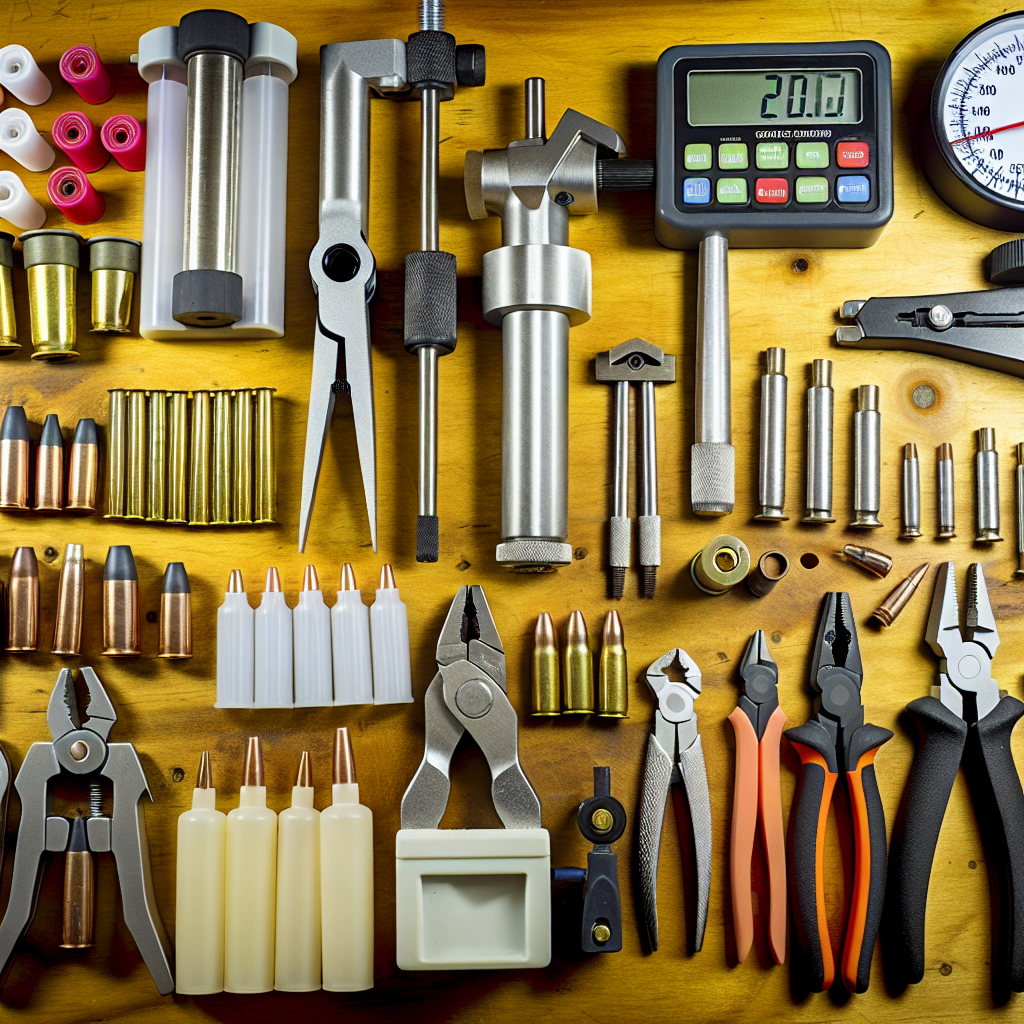
Reloading ammunition has become an increasingly popular hobby and necessity for shooting enthusiasts, hunters, and competitive shooters. Beyond the satisfaction of crafting your own ammo, reloading offers significant benefits including cost savings, improved accuracy, and the ability to customize loads for specific firearms. However, achieving consistent and safe reloads requires more than just basic components like brass, powder, primers, and bullets; having the right tools is critical.
In this comprehensive guide, we’ll explore the essential tools every reloading enthusiast should own. From beginner-friendly gear to advanced precision instruments, these tools will help you optimize your reloading process while ensuring safety and reliability.
The Foundation: Reloading Presses
The centerpiece of any reloading setup is the reloading press. This tool serves as the primary mechanism for resizing brass cases, seating bullets, and priming cases. The choice of press can significantly impact your workflow efficiency and consistency.
There are three main types of presses:
- Single-Stage Press: Ideal for beginners due to its simplicity. Each step (depriming, resizing, seating) is performed individually. Examples include the Lee Precision Classic Cast Press or the RCBS Rock Chucker Supreme.
- Turmret Press: Features a rotating turret that allows multiple dies to be mounted simultaneously. This speeds up the process by enabling quick die changes without removing dies from the press.
- Progressive Press: Best suited for experienced reloaders or those who produce large volumes of ammunition. These presses automate several steps in one pull of the handle, allowing multiple rounds to be processed simultaneously.
Case Study: According to a survey conducted by Ammoland in 2023, over 60% of reloaders prefer single-stage presses when starting out due to their simplicity and affordability. However, progressive presses dominate among high-volume reloaders because they can produce hundreds of rounds per hour.
Choosing a press depends on your experience level and production goals. For beginners or hobbyists focused on quality over quantity, a single-stage press is usually sufficient. For competitive shooters or those who need large quantities quickly, investing in a progressive press pays off in time saved.
Precision Dies: The Heart of Consistency
Reloading dies shape and size your brass cases and seat bullets accurately—making them indispensable for reliable ammunition. High-quality dies ensure that each cartridge is uniform in dimension and weight distribution.
- Sizing Die: Resizes fired brass back to proper dimensions so it chambers correctly.
- Expanding Die: Opens up the case mouth slightly for easy bullet seating (used primarily with certain types of rifles).
- Seating Die: Seats the bullet at a precise depth inside the case.
- Crumper Die: Applies a crimp to secure the bullet firmly in place (important for semi-automatic firearms).
The most common brands known for quality dies include RCBS, Hornady, Lee Precision, Redding, and Forster. Many enthusiasts recommend carbide dies for pistol calibers because they reduce friction during resizing and eliminate the need for lubrication on brass cases.
Example: A competitive shooter using Redding full-length sizing dies reported improved groupings by approximately 15% after switching from budget dies due to better case concentricity achieved through precision machining.
The Must-Have Measuring Instruments
Ammunition consistency hinges on exact measurements—be it powder charge weight or cartridge overall length (COL). Several measuring tools are crucial for safe and accurate reloading:
- Digital Scale: A high-precision scale capable of measuring powder charges down to at least 0.1 grains is essential. Consistent powder charges reduce velocity variations and improve accuracy.
- Calipers: Digital calipers measure overall cartridge length (COL), case length, bullet diameter, neck thickness, etc., with precision down to thousandths of an inch. Brands like Mitutoyo are industry favorites due to their accuracy and durability.
- Bearing Surface Gauge / Bullet Comparator: Measures bullet bearing surface length to ensure consistent seating depth relative to rifling engagement—critical for long-range accuracy.
Statistics highlight: In a test conducted by Precision Rifle Blog in 2022 involving over 500 rounds loaded with varied COLs measured using calipers versus no measurement showed an average improvement in group size by nearly 25% when consistent COL was maintained.
A Reliable Powder Measure: Consistency in Every Charge
The powder measure dispenses precise amounts of gunpowder into each cartridge case—a vital step affecting pressure levels and ballistic performance. There are several types available depending on your needs:
- Manual Powder Measure: Simple hand-operated devices like the Lee Perfect Powder Measure allow incremental adjustments for various powders but require verification with a scale after each setting change.
- Powder Dispenser / Automatic Powder Thrower: These machines automate dispensing with high repeatability; examples include RCBS Chargemaster Supreme or Hornady Lock-N-Load Auto Charge systems.
The key takeaway is that even small deviations in powder charge can significantly impact your accuracy and consistency. Investing in a reliable powder measure is crucial for any serious reloader.