How to Build a Competitive Shooting Support Team
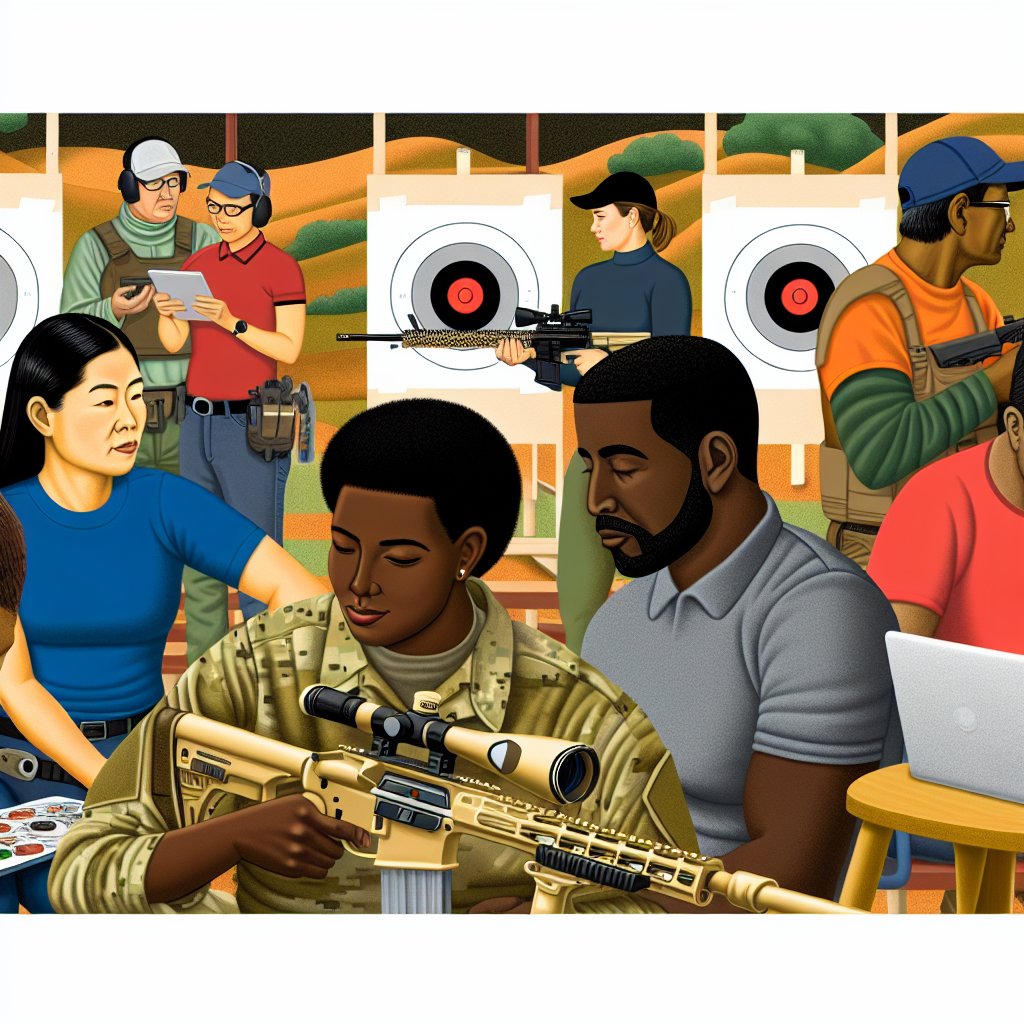
Competitive shooting is a demanding sport that requires not only skill and precision from the shooter but also a robust support system behind the scenes. A well-structured shooting support team can be the difference between winning a championship and falling short. From equipment maintenance to mental coaching, every aspect plays a vital role in the shooter’s success. This article will guide you through the essential components of building a competitive shooting support team, incorporating real-world examples and actionable strategies to help you assemble an effective crew.
Understanding the Roles Within a Shooting Support Team
The foundation of any successful competitive shooting effort lies in understanding the diverse roles that make up the support team. Each member contributes specialized expertise that complements the shooter’s skills and ensures optimal performance during competitions.
- Coach/Trainer: Provides technical guidance, helps develop shooting techniques, and creates training regimens tailored to the athlete’s strengths and weaknesses.
- Range Officer/Spotter: Offers real-time feedback during practice or matches, tracks shot placement, and advises on environmental factors such as wind or lighting.
- Equipment Technician/Gunsmith: Responsible for maintaining, tuning, and repairing firearms and accessories to ensure peak functionality.
- Mental Performance Coach: Focuses on psychological preparedness, stress management, focus enhancement, and building resilience under pressure.
- Physical Trainer: Designs conditioning programs that improve stability, endurance, and overall physical health crucial for maintaining steadiness during long competitions.
- Logistics Coordinator: Handles travel arrangements, competition registration, scheduling practice sessions, and managing gear transportation.
A prime example is Team USA’s preparation for international shooting events like the ISSF World Cup. Their teams typically include all these roles, ensuring shooters have comprehensive support both on and off the range.
The Importance of Selecting Skilled Professionals
The quality of your support team directly influences your competitive edge. Selecting individuals with proven expertise in their respective fields should be your top priority. Here are some tips on finding the right professionals:
- Experience Matters: Choose coaches and technicians with a track record of success in competitive shooting or related disciplines. For instance, a coach who has trained national champions will understand nuanced technical adjustments better than someone with only recreational experience.
- Credentials and Certifications: Look for certifications from recognized bodies such as the National Rifle Association (NRA) coaching programs or equivalent organizations internationally.
- Compatibility with Athlete: The team should foster open communication and trust with the shooter. A mental performance coach’s approach must align with the athlete’s personality for effective results.
- Continuous Learning: The shooting sports evolve rapidly with new technology and training methods. Professionals committed to ongoing education will keep your team ahead of trends.
A case study highlighting this principle is Finnish shooter Satu Mäkelä-Nummela’s preparation for the Olympics. She credits much of her success to working closely with experienced coaches and sports psychologists who helped her refine both technical skills and mental toughness over several years.
Building Communication Channels for Seamless Collaboration
An effective shooting support team thrives on clear communication. Misunderstandings or delays can lead to critical mistakes during competitions or practice sessions. Consider these strategies to enhance collaboration among team members:
- Regular Meetings: Schedule weekly or bi-weekly meetings where all team members discuss progress, upcoming competitions, equipment needs, and any challenges faced by the athlete.
- Use of Digital Tools: Platforms like Slack or Microsoft Teams enable instant messaging and file sharing among coaches, technicians, and trainers regardless of location.
- Status Updates: Maintain shared logs documenting practice results, equipment maintenance schedules, injury reports if any, and mental training progress for transparency.
- Crisis Management Protocols: Develop clear procedures for addressing unexpected issues such as equipment failure or injury during an event so that responses are swift and coordinated.
The New Zealand national rifle team employs digital collaboration extensively to coordinate across time zones during international events — an approach that has improved their tactical adaptability significantly according to interviews conducted by Shooting Sports USA magazine in 2022.
The Role of Technology in Enhancing Team Efficiency
The integration of technology into competitive shooting has revolutionized how teams train and compete. Investing in modern tools can provide valuable data-driven insights that optimize performance outcomes.
- Shot Tracking Systems: Devices like SCATT or MantisX provide instant feedback on shot placement accuracy and trigger control mechanics during training sessions.
- Ballistic Calculators & Environmental Sensors: These tools help spotters provide precise adjustments based on wind speed/direction, temperature, humidity, altitude changes — factors critical especially in long-range disciplines.
- Mental Training Apps: Programs such as Headspace or Calm integrated into daily routines assist shooters in maintaining focus through meditation techniques endorsed by sports psychologists.
- Video Analysis Software: Slow-motion capture technology allows coaches to dissect stance alignment, breathing patterns, sight picture acquisition frame-by-frame for pinpoint corrections.
A notable example is South Korean shooter Kim Rhode who incorporates various training methodologies to enhance her performance. By leveraging these advanced tools, teams can significantly improve their competitive edge.