Best Ammunition Types for Competitive Shooters
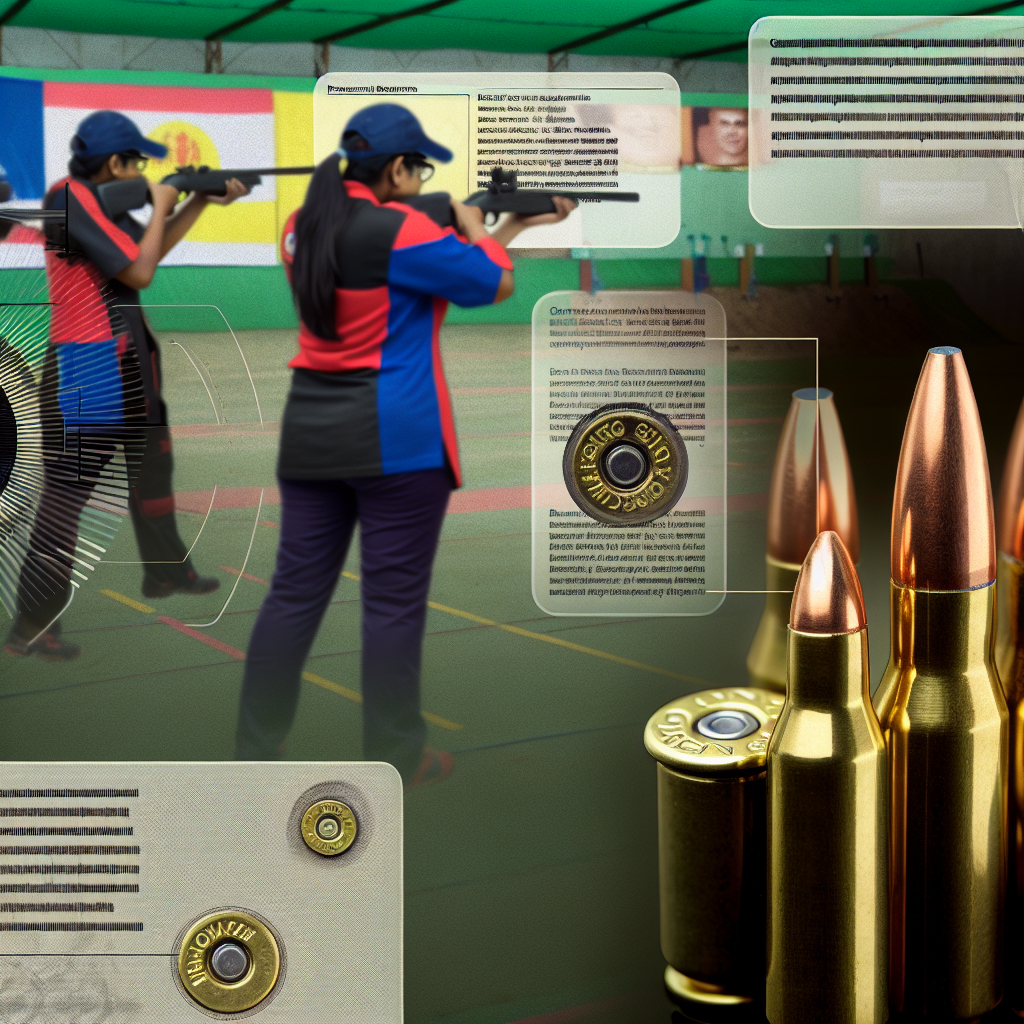
Competitive shooting is a demanding sport that requires precision, consistency, and a deep understanding of the equipment used—including ammunition. The choice of ammunition can significantly impact a shooter’s performance, influencing factors such as accuracy, recoil management, and reliability. Whether competing in pistol, rifle, or shotgun events, selecting the right ammo type tailored to your firearm and discipline is essential.
In this article, we will explore the best ammunition types for competitive shooters, highlighting key characteristics, popular brands, and how specific ammo choices can elevate your game. We’ll also delve into case studies and statistics to provide valuable insights for shooters looking to optimize their performance.
The Importance of Ammunition in Competitive Shooting
Ammunition is often an overlooked component in shooting sports, yet it plays a pivotal role in performance outcomes. Unlike casual plinking or self-defense shooting, competition demands high levels of precision and consistency with every shot fired.
Some of the critical reasons why ammunition matters include:
- Accuracy: Variances in bullet weight, powder charge, and cartridge dimensions affect shot placement.
- Consistency: Consistent velocity and pressure ensure predictable ballistics for tight groupings.
- Reliability: Malfunction-free feeding and firing are essential during timed events.
- Recoil Management: Low recoil ammo helps maintain target acquisition speed.
- Match-Specific Needs: Different events (e.g., IPSC vs. benchrest) may require specialized ammunition types.
Shooters who invest time and resources into choosing or handloading the right ammo often see measurable improvements in scores and consistency under pressure.
Top Ammunition Types for Different Competitive Shooting Disciplines
The type of ammunition best suited for competition depends largely on the shooting discipline. Below we examine the most popular types across various competitive shooting formats including pistol, rifle, and shotgun events.
Pistol Competitions: 9mm and .45 ACP Dominate
Pistol competitions such as IPSC (International Practical Shooting Confederation), USPSA (United States Practical Shooting Association), and IDPA (International Defensive Pistol Association) commonly feature calibers like 9mm Luger and .45 ACP. The choice between these calibers often hinges on recoil management versus stopping power considerations.
- 9mm Luger: Favored for its low recoil and high magazine capacity. High-quality match-grade 9mm rounds like Federal Gold Medal Match or Winchester Match provide excellent accuracy with consistent powder charges.
- .45 ACP: Popular among shooters who prefer heavier bullets with more momentum. Brands like Speer Gold Dot or Remington UMC offer reliable performance with manageable recoil when using target loads.
A key factor in pistol competition is the use of hollow point versus full metal jacket (FMJ) rounds. While FMJ is common in practice due to affordability, hollow points or specially designed match bullets can improve accuracy by offering better ballistic coefficients and consistent expansion patterns—though they are less common in timed matches where penetration is not critical.
Rifle Competitions: Precision is Paramount
Rifle competitions such as benchrest shooting, F-Class, PRS (Precision Rifle Series), and long-range tactical matches demand exceptional precision from both firearm and ammunition. Here, handloading custom loads is often preferred over factory ammo due to the need for extreme consistency.
- .223 Remington/5.56 NATO: Common in tactical-style matches like PRS where rapid follow-up shots are necessary. Match-grade factory options include Hornady Match Ammo and Black Hills Precision Rifle Ammo.
- .308 Winchester/7.62 NATO: Widely used in long-range competitions due to its balance between recoil and ballistic performance. Federal Gold Medal Match .308 rounds have been proven effective at producing sub-MOA groups consistently.
- 6.5 Creedmoor: Increasingly popular for long-range shooting thanks to its high ballistic coefficient bullets that retain velocity better over distance—resulting in flatter trajectories and less wind drift.
An example comes from the Precision Rifle Series where shooters often handload 6.5 Creedmoor rounds tailored with specific powder charges and bullet weights to suit their rifles’ barrel twist rates—a practice that has led to winning scores consistently under competitive conditions.
Shotgun Competitions: Specialized Loads for Speed and Patterning
Shotgun sports such as sporting clays, trap, skeet, and USPSA shotgun divisions require specialized loads designed for pattern density and recoil control rather than raw power alone.
- TSS (Tungsten Super Shot): Provides denser patterns than traditional lead shot at similar velocities—beneficial in sporting clays for breaking fast-moving targets effectively.
- Low Recoil Loads: Popular among competitors needing faster follow-up shots without fatigue; brands like Federal Premium Low Recoil offer reduced felt recoil while maintaining pattern integrity.
- Skeet Loads: Typically smaller shot sizes (e.g., #9 or #8) at higher velocities to maximize pellet spread close to the shooter’s station for quick target acquisition.
The choice of shot size and load can significantly impact performance, making it essential for shooters to select ammunition that complements their shooting style and competition requirements.
Ultimately, understanding the nuances of ammunition types can give competitive shooters a crucial edge in their performance.