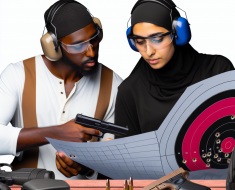
Common Mistakes New Competitive Shooters Make
Competitive shooting is a thrilling sport that combines precision, speed, and mental focus. Whether you’re participating in USPSA, IPSC, 3-Gun, or other shooting competitions, mastering the fundamentals is essential for success. However, many new competitive shooters make common mistakes that can hinder their progress and enjoyment of the sport. This article explores these pitfalls in detail and provides actionable insights to help new shooters improve their performance and confidence on the range.
1. Neglecting Proper Fundamentals: The Foundation of Accuracy
One of the most frequent errors new competitive shooters make is rushing into competition without solidifying their fundamentals. Fundamentals such as grip, stance, sight alignment, and trigger control form the backbone of accurate shooting.
Many beginners focus too much on speed early on, neglecting the basics that ensure consistent shot placement. For example, poor trigger control often results in jerking the gun and pulling shots off target. According to a study by the National Shooting Sports Foundation (NSSF), over 60% of missed shots among beginners are due to improper trigger manipulation.
- Grip: A weak or inconsistent grip leads to recoil management issues.
- Stance: An unstable stance affects balance and follow-through.
- Sight Alignment: Misaligned sights cause inaccurate shots.
- Trigger Control: Jerking or slapping the trigger disrupts shot placement.
Example: A novice shooter might try to fire rapidly without ensuring their sights are properly aligned with the target. This often results in low-scoring hits or misses entirely. Taking time during dry-fire practice to perfect these fundamentals can drastically improve accuracy under pressure.
2. Overemphasizing Speed at the Expense of Accuracy
The adrenaline rush during competition can tempt new shooters to prioritize speed over accuracy. While speed is important in competitive shooting disciplines like USPSA or IPSC, it should never come at the cost of precision.
A common scenario involves shooters rushing through stages, resulting in penalties for missed targets or procedural errors. According to data from a regional 3-Gun match in 2023, shooters who prioritized speed without maintaining accuracy averaged a 25% higher penalty rate than those who balanced both elements.
- Shooting too fast leads to sloppy transitions between targets.
- Increased likelihood of missing shots due to poor sight picture.
- Poor stage planning resulting from hurried movement.
Case Study: At a USPSA match in California, a competitor known for fast shooting consistently ranked lower due to missed targets and procedural errors despite having some of the quickest stage times. By slowing down slightly and focusing on precise shots first, they improved overall scores significantly within just a few matches.
3. Inadequate Preparation and Stage Planning
A critical mistake many newcomers make is failing to properly prepare for stages before stepping onto them. Competitive shooting isn’t just about pulling the trigger; it’s about strategy and efficiency.
Stage planning involves analyzing the layout, identifying target sequences, planning reloads, and deciding movement paths beforehand. Without this preparation, shooters often waste valuable seconds figuring out what to do mid-stage.
- Lack of mental rehearsal increases stress during competition.
- Poor movement choices lead to inefficient transitions between shooting positions.
- Mistimed reloads can cost precious time or cause malfunctions under pressure.
Tip: Walk through each stage carefully during setup if allowed or study stage diagrams provided by match directors ahead of time. Visualizing your movements and shot sequence helps reduce hesitation and improves fluidity during actual runs.
4. Ignoring Dry-Fire Practice and Mental Training
The physical act of shooting is only part of what makes a great competitor; mental preparation plays an equally vital role. Many new shooters overlook dry-fire practice — rehearsing shooting mechanics without live ammunition — which is an incredibly effective training method.
- Dry-fire practice: Builds muscle memory for draw stroke, sight alignment, trigger press without recoil distractions.
- Mental visualization: Rehearsing stages mentally enhances confidence and reduces anxiety during matches.
- Breathe control techniques: Help maintain calmness under pressure leading to steadier aim.
A study published by Performance Shooting Research Group found that shooters who incorporated regular dry-fire sessions improved their accuracy by up to 40% over three months compared to those practicing live fire only once per week.
Example: One shooter reported overcoming “stage fright” after incorporating daily dry-fire drills combined with positive visualization exercises before competitions. Their consistency improved markedly as they became less reactive to stressors during matches.
5. Using Improper Equipment or Failing to Customize Gear
The choice and setup of equipment significantly impact performance in competitive shooting. New shooters often make mistakes by either using unsuitable firearms or failing to customize gear according to their needs and comfort levels.
- Poorly fitted holsters: Can slow draws or cause malfunctions during reholstering leading to penalties or safety issues.
-
Making sure your equipment is tailored to your preferences can enhance your shooting experience and performance. Avoiding these common pitfalls will help you become a more effective and confident competitive shooter.