The Legal Status of Airsoft and BB Guns
Airsoft and BB guns occupy a unique position in the world of recreational firearms. Often used for sport, training, or collection purposes, these devices mimic the appearance and operation of real firearms but shoot non-lethal projectiles. However, their legal status varies significantly across different jurisdictions, influenced by factors such as safety concerns, public perception, and potential misuse. This article delves deep into the legal landscape surrounding airsoft and BB guns worldwide, providing valuable insights into regulations, restrictions, and real-world implications.
Understanding Airsoft and BB Guns: Definitions and Differences
Before exploring legal frameworks, it is important to clarify what airsoft and BB guns are and how they differ from one another.
- Airsoft Guns: These are replica firearms designed to shoot plastic pellets, typically 6mm in diameter. They operate using various propulsion systems such as spring-powered mechanisms, electric motors (AEGs), or compressed gas (green gas or CO2). Airsoft guns are primarily used for sport—often in organized games that simulate military or law enforcement scenarios.
- BB Guns: These generally shoot small metal or plastic BBs (usually 4.5mm steel balls). Unlike airsoft guns which fire plastic pellets designed to be less harmful, BB guns can sometimes cause injury due to the hardness of the projectile. BB guns usually operate with compressed air or CO2 cartridges.
While both categories fall under “airguns,” their construction, ammunition type, and typical uses influence how they are regulated legally.
Global Legal Frameworks: A Patchwork of Regulations
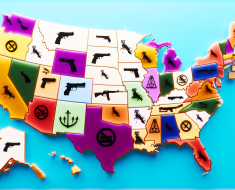
The legal status of airsoft and BB guns is complex because it varies widely by country—and even within regions of the same country. Laws tend to address key concerns such as age restrictions, transportation rules, usage zones, ownership licensing, and import/export controls.
United States
In the U.S., regulation is primarily at the state level with federal guidelines providing a baseline:
- Federal Law: The Consumer Product Safety Commission regulates airguns under the Federal Hazardous Substances Act but exempts them from many firearm regulations because they do not use explosive powder charges. The FBI also has guidelines on imitation firearms to prevent confusion with real weapons.
- State Laws: States impose diverse rules:
- California: Requires orange tips on barrel ends to identify them as replicas; sales restricted to individuals over 18.
- New York City: Airsoft guns are banned outright due to safety concerns.
- Texas: Less restrictive; generally treated similarly to toys with minimal regulation.
- Age Restrictions: Many states set minimum age limits ranging from 10 to 18 years for possession or purchase.
A notable case highlighting U.S. legal challenges occurred in 2019 when a teenager was mistakenly shot by police after brandishing an airsoft gun during a confrontation—underscoring the need for clear identification and responsible use.
United Kingdom
The UK has stringent laws surrounding airguns including airsoft guns:
- The Violent Crime Reduction Act (2006) restricts possession by those under 18 years old.
- Airguns with muzzle energy over 12 ft-lbs require a Firearm Certificate issued by local police authorities.
- The sale of realistic imitation firearms is tightly controlled; realistic-looking airsoft guns must be sold only to adults with appropriate licensing in some cases.
The UK’s approach balances public safety with recreational use but imposes significant restrictions compared to many other countries. For instance, organized airsoft clubs often require players to adhere strictly to safety codes and local laws regarding transport and use of equipment.
Japan
Japan enforces some of the world’s strictest firearm laws which extend to airsoft guns as well:
- A maximum muzzle velocity limit is imposed—typically below 203 meters per second (about 660 feet per second).
- The design must clearly distinguish these devices from real firearms—for example through bright-colored tips or markings.
- Laws prohibit carrying airsoft guns in public places without valid reason.
This strict regulation reflects Japan’s broader zero-tolerance stance on weapons possession but still allows a thriving airsoft community under tightly controlled conditions.
Australia
Laws vary between states but generally include:
- Bans on Certain Airguns: Some states classify high-powered air rifles as firearms requiring licenses similar to those for conventional firearms (e.g., Victoria).
- Storage Requirements: Owners must secure their airguns similarly to conventional firearms to prevent unauthorized access.
- Use Restrictions: Discharging airguns in public places is prohibited except in designated shooting ranges or private properties with permission.
The Australian government’s approach reflects concerns over misuse while recognizing legitimate sporting uses when appropriately regulated.
Civil Liability and Public Safety Concerns
The legal status of these devices is often shaped by public safety considerations.
Airsoft and BB guns are subject to various regulations that prioritize safety and responsible use.
Understanding these laws is crucial for enthusiasts to ensure compliance and promote safe practices within the community.