
Understanding State-Specific Gun Permit Types
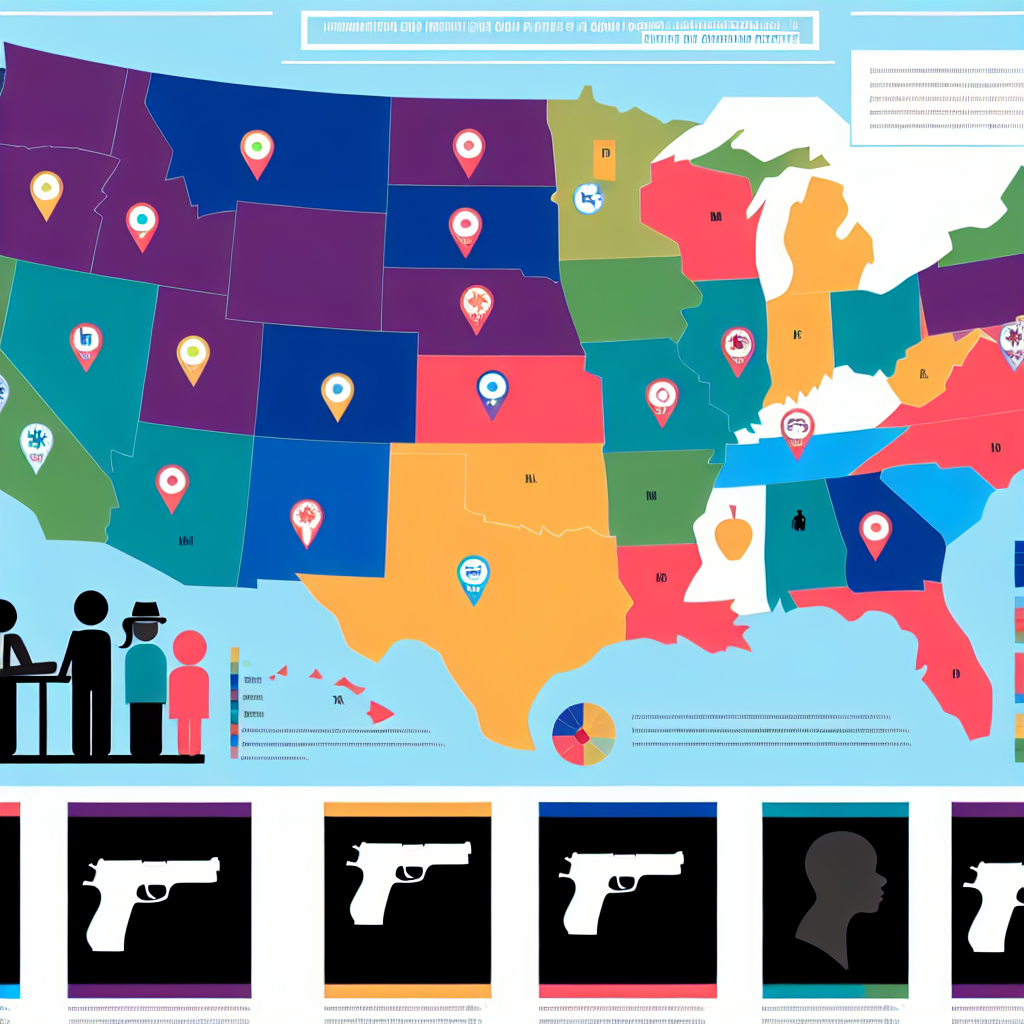
The United States has a complex and often contentious relationship with gun ownership and regulation. One of the most critical aspects of this relationship is the system of gun permits, which varies widely from state to state. Understanding these state-specific gun permit types is essential for gun owners, legal professionals, policymakers, and citizens interested in the nuances of firearm regulation. This article explores the different types of gun permits across the country, highlighting their requirements, restrictions, and practical implications.
Overview of Gun Permit Categories in the U.S.
Gun permits in the United States are generally categorized based on their purpose and the type of firearm they regulate. While federal law sets a baseline for firearm ownership, states have significant autonomy in regulating how guns are carried and used within their borders.
The primary categories of gun permits include:
- Concealed Carry Permits (CCW or CCP): These permits allow individuals to carry a concealed firearm in public.
- Open Carry Permits: These permits authorize carrying firearms openly in public view.
- Firearm Purchase Permits or Licenses: Some states require permits to purchase firearms, including background checks and waiting periods.
- Restricted Weapon Permits: These apply to certain types of weapons like assault rifles or large-capacity magazines.
- Prohibited Person Relief Permits: In some jurisdictions, individuals otherwise barred from owning firearms can apply for relief under specific conditions.
The diversity among these permit types reflects differing state priorities regarding public safety, individual rights, and law enforcement concerns.
The Concealed Carry Permit: Variations Across States
Concealed carry permits are among the most common and debated forms of firearm authorization. These permits allow an individual to carry a handgun hidden on their person or in close proximity. However, states vary significantly in how they issue these permits and what requirements must be met.
Shall-Issue vs. May-Issue States
A key distinction lies between “shall-issue” and “may-issue” policies:
- Shall-Issue: In these states, authorities are required to issue a concealed carry permit if the applicant meets objective criteria such as age, background checks, and training completion. Examples include Texas, Florida, and Arizona.
- May-Issue: These states grant permitting authorities discretion to approve or deny applications even if basic criteria are met. Applicants often need to demonstrate a “good cause” or “justifiable need.” Examples include California, New York (though reforms have eased restrictions), and New Jersey.
This distinction influences how accessible concealed carry permits are for residents. Shall-issue policies generally lead to higher numbers of permit holders; for instance, Texas issued over 1 million active concealed handgun licenses by 2020.
Training Requirements
Another variation relates to training mandates. While many states require applicants to complete safety courses covering topics like firearm handling, laws governing use of force, and storage practices, some states have minimal or no training prerequisites. For example:
- Florida: Requires an 8-hour training course including live-fire exercises.
- Kentucky: Does not require formal training for residents but does for non-residents applying for a permit.
The presence or absence of training can impact both responsible gun ownership and public perceptions regarding concealed carry holders’ preparedness.
Open Carry Permits: Freedom vs. Regulation
The open carry of firearms—carrying guns visibly on one’s person—is permitted in many states but regulated differently depending on local laws. Some states allow open carry without any permit at all (referred to as “constitutional carry”), while others require specific licenses or impose restrictions on locations where open carry is allowed.
No-Permit Open Carry States
A growing number of states have adopted constitutional carry laws that eliminate the need for a permit to openly carry a firearm. Examples include Alaska, Vermont (which has never required permits), Idaho (for residents), and Wyoming. Proponents argue this affirms Second Amendment rights without bureaucratic hurdles.
Permit-Required Open Carry States
Conversely, some states mandate permits for open carry or restrict it entirely:
- Tennessee: Requires an enhanced handgun carry permit for open carry in certain areas.
- Michigan: Generally prohibits open carry except under specific circumstances such as hunting or target shooting unless the individual has a concealed pistol license which also covers open carry.
The diversity here reflects ongoing debates balancing individual freedoms with community safety concerns about visible firearms in public spaces.
Firearm Purchase Permits: Gatekeeping Gun Sales
Certain states impose additional layers of regulation at the point of purchase by requiring firearm purchase permits or licenses beyond federal background checks conducted through the National Instant Criminal Background Check System (NICS).
The Role of Purchase Permits
A firearm purchase permit typically requires applicants to undergo background checks conducted by state authorities before buying a gun from licensed dealers or private sellers.
individuals. These measures aim to enhance public safety by ensuring that firearms are not easily accessible to those who may pose a risk.
Understanding the nuances of state-specific gun permit types is essential for responsible firearm ownership and compliance with local laws.