What Gun Owners Should Know About Firearm Recalls
Firearms are not just tools for hunting, sport shooting, or self-defense; they are serious pieces of equipment that demand utmost attention to safety and maintenance. One critical aspect of firearm ownership that many gun owners overlook is the importance of staying informed about firearm recalls. Recalls can significantly affect the safety and functionality of your weapon, potentially preventing accidents or malfunctions.
In this comprehensive article, we will explore what firearm recalls entail, why they happen, how gun owners can stay informed, and what steps to take if you own a recalled firearm. We’ll also examine notable recall cases and provide practical tips for maintaining firearm safety.
Understanding Firearm Recalls: What They Are and Why They Occur
A firearm recall is an official action taken by a manufacturer or mandated by regulatory authorities to address defects or safety issues found in a particular model or batch of firearms after they have been sold. These recalls typically arise when a defect poses a risk of injury, malfunction, or failure during use.
Unlike voluntary safety checks or routine service bulletins, recalls require gun owners to take specific corrective actions, which may include returning the firearm for repair, replacement parts installation, or sometimes even a full refund.
Common reasons for firearm recalls include:
- Defective firing mechanisms: Malfunctions like accidental discharges or failure to fire.
- Barrel defects: Issues such as cracks or obstructions that can cause catastrophic failures.
- Sights and safety mechanisms: Faulty safeties that do not engage properly increasing risk of unintentional firing.
- Magazine problems: Feeding malfunctions leading to jams or misfires.
- Material failures: Poor quality components prone to breakage under normal use.
The recall process is critical because it helps prevent accidents caused by faulty firearms and maintains consumer trust in manufacturers. Regulatory agencies like the U.S. Consumer Product Safety Commission (CPSC) may intervene in some cases; however, many recalls are initiated voluntarily by manufacturers themselves after internal testing or reports from customers.
How Gun Owners Can Stay Informed About Firearm Recalls
The first step in addressing firearm recalls is awareness. Many gun owners are unaware that their firearms might be subject to recalls until it’s too late. Staying informed requires proactive engagement with reliable sources and regular checks.
Effective ways for gun owners to stay updated include:
- Manufacturer websites: Most firearm companies maintain dedicated recall pages where they post updates and instructions.
- Registering your firearm: When possible, register your firearm with the manufacturer to receive direct notifications about safety issues or recalls.
- CPSC and ATF websites: The Consumer Product Safety Commission posts notices about product hazards including firearms; while the Bureau of Alcohol, Tobacco, Firearms and Explosives provides regulatory information relevant to gun owners.
- Shooting sports organizations and forums: Groups such as the National Rifle Association (NRA) or online communities often share recall news promptly among members.
- Email alerts and newsletters: Subscribing to industry newsletters ensures you receive timely updates on new developments affecting firearms you own.
The National Shooting Sports Foundation (NSSF), an industry trade association, also encourages consumers to report any suspected defects directly through their website. This two-way communication helps manufacturers identify issues faster and initiate recalls when necessary.
Notable Firearm Recall Cases: Lessons Learned
The history of firearm recalls offers valuable insights into common pitfalls manufacturers face and highlights the importance of vigilance among gun owners. Here are a few notable cases illustrating different recall scenarios:
The Ruger LCP Recall (2013)
The Ruger LCP .380 ACP pistol was recalled due to a defect in its trigger mechanism that could cause unintended discharges if dropped at certain angles. Ruger issued a voluntary recall asking owners to send their pistols back for free repair kits that included redesigned triggers with improved drop safety features.
This case underscores how even well-regarded manufacturers can face design flaws that only become apparent after extensive user feedback and real-world usage. Ruger’s swift response helped maintain customer trust while preventing potential accidents nationwide.
The Smith & Wesson M&P15 Recall (2016)
A recall was issued for certain batches of Smith & Wesson’s M&P15 rifles due to a defective magazine release button that could cause feeding failures during firing sequences. The recall involved replacing faulty magazine catch springs free of charge for affected models.
This example highlights how seemingly minor component issues can severely impact reliability — especially in semi-automatic rifles commonly used for home defense or law enforcement purposes — making prompt recall response essential for user safety.
The Kel-Tec PMR-30 Recall (2020)
Kel-Tec issued a recall on select PMR-30 pistols after discovering potential firing pin block issues which could allow accidental discharge if dropped improperly. The company provided free repairs involving upgraded internal parts designed to prevent such risks from materializing again.
This case illustrates how advancements in technology sometimes introduce new complexities requiring ongoing quality control vigilance throughout production cycles.
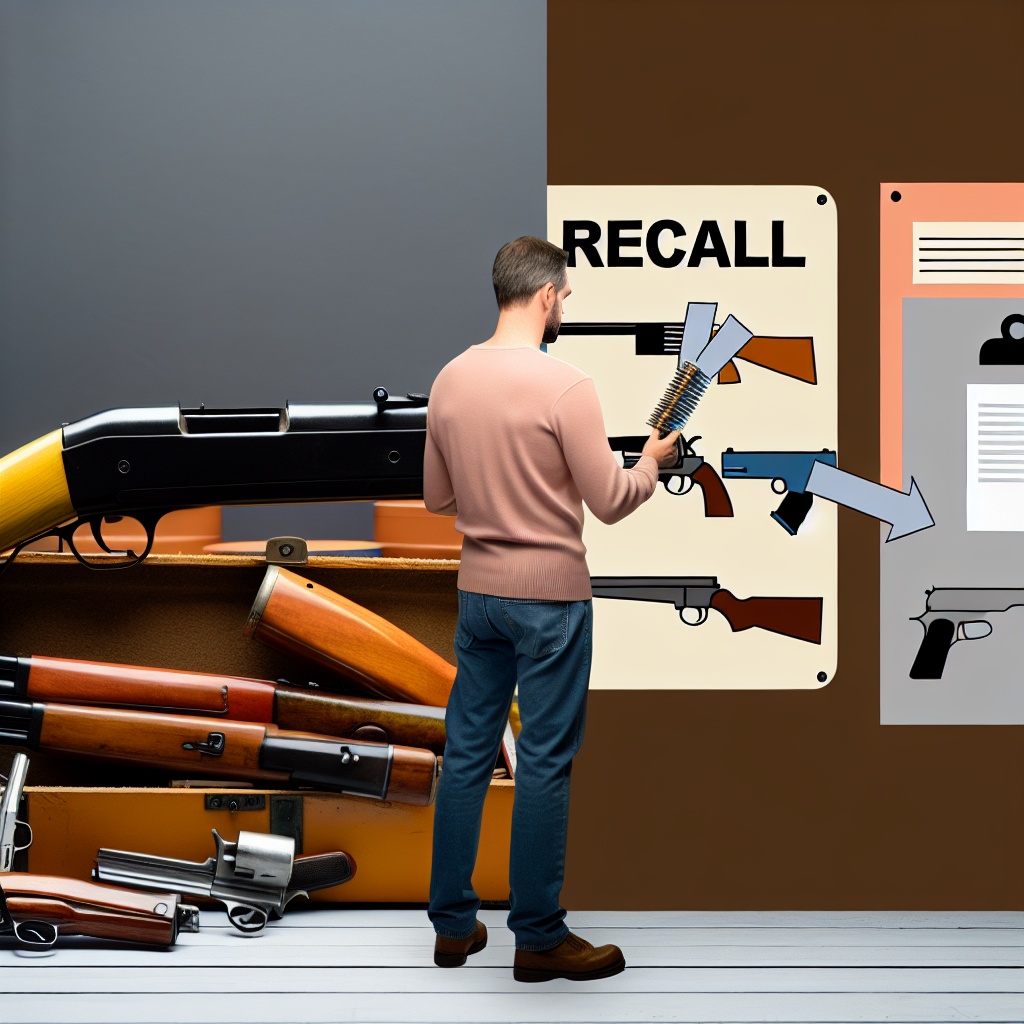
Steps Gun Owners Should Take If Their firearm is recalled include checking the manufacturer’s website or contacting them directly for details on the recall process. Staying informed and proactive can help ensure safety and reliability.
Always prioritize safety by addressing recalls promptly to protect yourself and others.