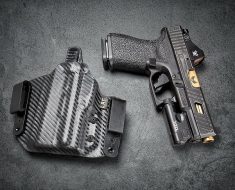
A handgun that feels nose-heavy can be perfectly normal—or it can be a sign that the setup is working against you. Weight distribution affects how quickly a pistol comes on target, how steady it feels in the hand, and how tiring it is during extended practice or carry. For responsible gun owners, understanding balance is part of understanding the firearm itself. This article breaks down why some handguns feel front-heavy and what practical, safe adjustments can improve handling without compromising reliability.
Why Your Handgun Feels Nose-Heavy Up Front
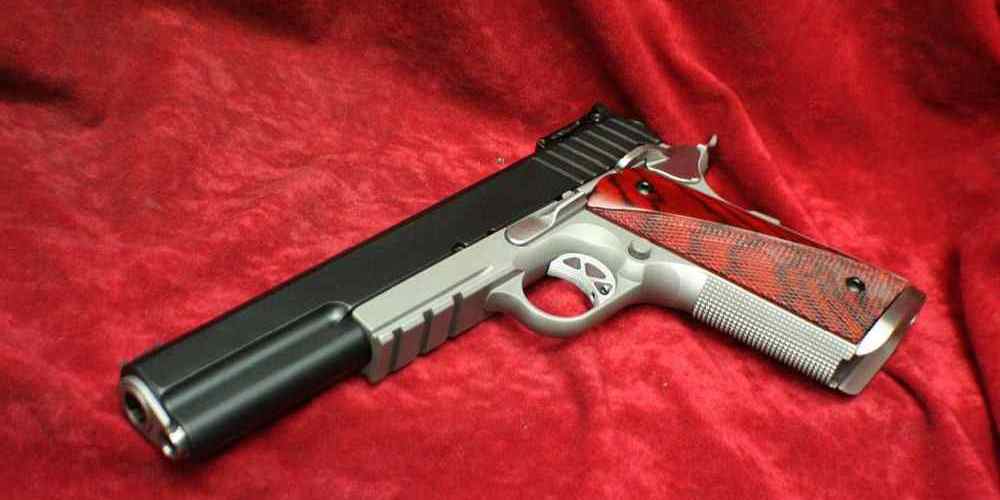
A nose-heavy feel usually comes down to where the mass of the handgun sits relative to your grip. Many modern pistols place more weight toward the muzzle because of longer slides, heavier barrels, full-size frames, or accessory rails. Steel-framed handguns, long-slide models, and pistols with threaded barrels or compensators can all shift the center of gravity forward. That forward bias may help dampen muzzle rise for some shooters, but it can also make the gun feel slower to present from the holster or more fatiguing during extended use.
The way a handgun is built matters just as much as the way it is set up. A polymer frame with a steel slide can still feel front-heavy if it has a long dust cover, a light mounted at the front, or a dense aftermarket barrel. Some popular concealed-carry pistols are intentionally balanced to favor control over pure liveliness, while competition guns often lean even more toward muzzle weight to help with follow-up shots. Historically, many service pistols evolved with durability and controllability in mind, and that often meant accepting a little extra weight out front in exchange for stability.
Grip technique and hand size can also influence how the balance feels. If your support hand does not fully wrap the frame, or if the grip angle does not match your natural wrist position, the muzzle may seem heavier than it really is. Likewise, shooters with smaller hands may notice that a large-frame handgun feels more top- or nose-heavy simply because there is more gun forward of the grip. That is why a pistol that feels balanced to one owner may feel awkward to another, even when both are holding the same model correctly and safely.
Simple Balance Fixes for Better Handgun Handling
The first and safest place to start is by evaluating the accessories attached to the handgun. Weapon lights, oversized optics, full-length guide rods, heavy steel mag wells, and threaded barrels can all change how the gun carries and presents. If the firearm is used primarily for concealed carry or general range work, consider whether every front-end accessory is truly necessary. Removing unnecessary weight from the muzzle area often makes the pistol feel faster and more neutral without affecting core function. Always confirm compatibility and reliability after any change, and test thoroughly at the range before relying on a modified setup.
A second fix is to look at the grip and overall ergonomics rather than chasing hardware changes first. A better-fitting grip panel, backstrap, or grip sleeve can help your hands control the pistol more naturally, which reduces the sensation of front heaviness. For some shooters, a slightly higher grip on the tang or a more consistent two-handed thumbs-forward stance makes the front end feel lighter because the wrists and support hand are working more efficiently. Responsible training often solves more “balance” complaints than accessories do, especially for newer handgun owners who are still learning recoil management and presentation.
If you still want to tune balance, do so carefully and with purpose. A lighter recoil spring setup, a different barrel profile, or a change from a bulky mounted accessory to a slimmer one may improve handling, but each modification should be evaluated for reliability, safety, and intended use. For defensive firearms, function must come before feel. It is also wise to remember that added front weight is not always a drawback: many competition shooters prefer it for flatter tracking, and some hunters like the steadiness it brings when taking careful shots. The right balance fix is the one that matches your role, your hands, and your training—while keeping the firearm dependable and safe.
A handgun that feels nose-heavy is not automatically a problem, but it is worth understanding why it happens. Most of the time, the cause is a combination of design, accessories, and grip dynamics rather than a defect in the firearm. By identifying where the weight is coming from, you can make thoughtful adjustments that improve control, comfort, and confidence. The best balance fix is always the one that supports safe, legal, and reliable use—because a well-handling handgun should feel like an extension of your training, not a fight against it.