A rifle or handgun that was dead-on at home can print a little high, low, left, or right after a long cross-country trip, and that surprises a lot of otherwise careful shooters. The reason usually is not that the firearm “mysteriously” lost its accuracy, but that a mix of environmental changes, handling, mounting stress, and ammunition conditions can shift the point of impact. For hunters, competitive shooters, and anyone relying on a firearm for lawful self-defense, understanding those changes is part of responsible ownership. In other words, if you travel with a firearm, you should expect to confirm zero before trusting it in the field or at the range.
How Travel and Climate Shift Your Zero
A firearm’s zero is the relationship between where you aim and where the bullet actually strikes, and that relationship can change when the equipment and environment change. Crossing multiple climate zones means your rifle, optic, ammunition, and even accessories are exposed to different temperatures, humidity levels, and pressures. Metal expands and contracts slightly with temperature, stocks and handguards can shift with moisture, and optic internals may react differently than they did back home. Even if each effect is small, they can add up enough to move your point of impact.
Transport itself can also affect zero. A hard case protects a firearm, but vibration, bumps, and pressure from straps or other gear can loosen optic screws, shift a scope mount, or slightly alter the fit of a bipod, rail, or chassis system. That is especially true if the firearm rides for hours in a truck, trailer, or airplane baggage system. Historically, shooters have always understood that a “field zero” is not the same as a shop zero; experienced hunters have long checked their rifles after rough travel because impacts and handling can nudge the setup just enough to matter.
Ammunition deserves attention too. Different regions can mean different temperatures and elevations, and both influence ballistics. Cold air can reduce velocity, while high elevation and lower air resistance can change trajectory compared with sea level. Ammunition stored in a hot vehicle or damp environment may perform differently from the lot you sighted in with at home. For that reason, responsible shooters treat zero as something that belongs to a specific firearm, optic, ammunition type, and environment—not just the gun alone.
Rechecking Accuracy After a Cross-Country Trip
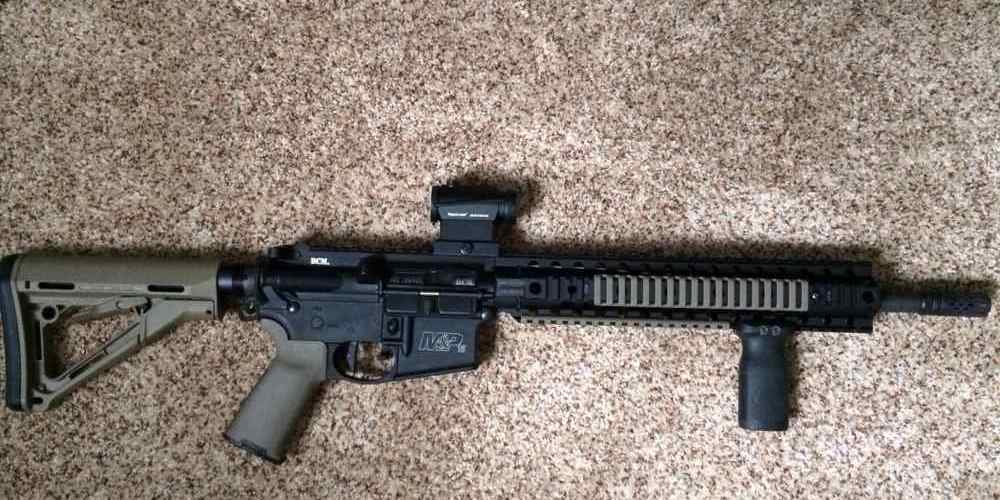
The first step after a long trip is a careful inspection before any live fire. Confirm the firearm is unloaded, then check optic mounts, rings, base screws, sling hardware, bipods, suppressor or muzzle device mounts, and any accessories attached to the rail. If you use threadlocker, make sure it was applied correctly and has not failed. A torque driver is a worthwhile tool for this job because it helps ensure fasteners are tightened to manufacturer specifications rather than by feel alone, which is one of the most common causes of shifting zero.
When you get to the range, start with a clean, controlled confirmation process. Fire a slow, deliberate group from a stable rest using the same ammunition you zeroed with originally. Do not assume a single shot tells the full story; a three- or five-shot group is far more informative. If the point of impact has moved, adjust the optic in small, documented increments and confirm the new zero with another group. For defensive firearms, focus on reliability and repeatability rather than chasing tiny benchrest measurements, but still make sure the sights or optic are close enough for practical use.
It is also smart to keep records. Many experienced shooters note the ammo brand, lot number, temperature, altitude, and any maintenance performed before a trip. That record can explain a zero shift later and help you identify whether the change was due to travel, ammunition, or a mechanical issue. From a safety perspective, this habit supports lawful, responsible firearm use by reducing guesswork. The more you understand your gear, the less likely you are to discover a problem at the wrong moment, whether that moment is opening morning in the mountains or a training session after a long drive.
A changed zero after cross-country travel is usually a practical equipment issue, not a mystery, and it is one every conscientious gun owner should plan for. Temperature, humidity, elevation, vibration, and handling can all influence how a firearm performs, even when nothing is technically “wrong” with it. The fix is straightforward: inspect the setup, verify fasteners and mounts, and confirm accuracy with the same ammunition under current conditions before trusting the firearm again. That simple routine protects safety, preserves confidence, and keeps your equipment ready for lawful use when it matters most.