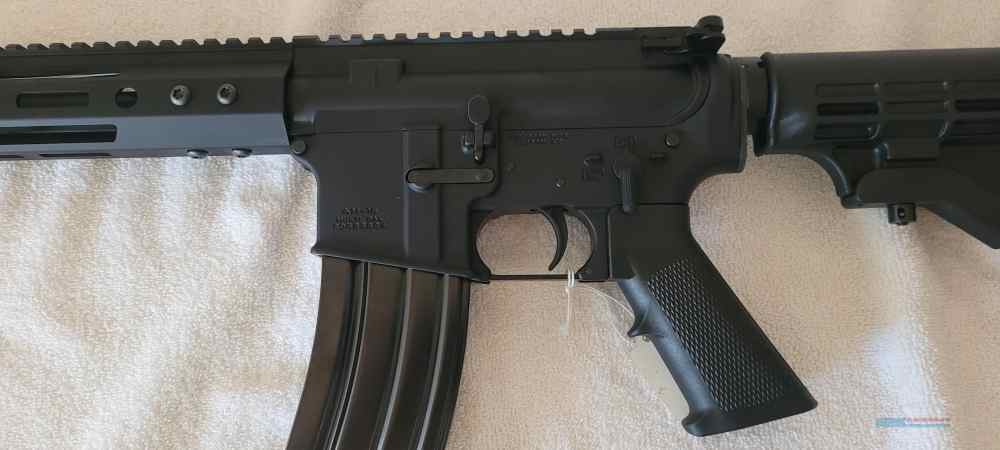
Why Your Firearm Feels Different After Long-Term Storage
A firearm that has been sitting unused for months—or even years—can feel noticeably different the first time you pick it up again. The action may seem stiffer, the trigger may feel heavier or less crisp, and small changes in balance or surface feel can make a well-known rifle, shotgun, or pistol seem unfamiliar. In most cases, these changes are not mysterious and do not mean the firearm is “ruined.” They are usually the result of normal storage-related effects on lubricants, springs, finishes, and environmental exposure. Understanding what changed helps you restore the firearm properly while keeping safety at the center of the process.===
What Changes Inside a Stored Firearm Over Time
When a firearm sits for a long period, the first thing many owners notice is resistance in the moving parts. Oils and greases can thicken, separate, or migrate away from the surfaces they were protecting, especially if the gun was stored in a hot garage, cold basement, or damp case. That can make slides, bolts, and safeties feel sluggish. In older firearms, congealed lubricant can also collect dust and microscopic debris, creating a gummy layer that changes the way the gun cycles and handles.
Metal components can also experience subtle surface changes over time. Even well-finished firearms are vulnerable to humidity, temperature swings, and condensation, which can lead to light oxidation or corrosion if storage conditions were less than ideal. Springs may not truly “wear out” from storage alone, but they can lose some of their lively feel if they were kept compressed for long periods or if moisture affected the surrounding parts. Wood stocks and grips may also swell, dry out, or shift slightly, especially in climates with seasonal humidity changes, which can alter the way the firearm fits the hand and shoulder.
Another reason a stored firearm feels different is simply mechanical memory. A firearm that has not been cycled regularly can feel tight when brought back into service, particularly in pistols with close tolerances, bolt-action rifles with weather seals, or shotguns with complex action bars and shell lifters. Parts that once moved smoothly may need fresh lubrication and careful inspection before they return to normal operation. This is one reason experienced gun owners treat long-term storage as a condition that requires reactivation, not just retrieval.
How to Restore Feel Without Compromising Safety
The safest way to bring a stored firearm back to life is to start with a complete inspection, not a quick wipe-down. Begin by verifying the firearm is unloaded and separated from all ammunition in a well-lit area. Check the bore, chamber, magazine, and all moving parts for corrosion, dried lubricant, cracked components, or anything unusual. If the firearm has been stored with a chamber flag, desiccant, or rust preventive coating, remove those materials carefully and confirm nothing was left behind that could interfere with function.
Once inspected, clean the firearm methodically with products appropriate for its materials and finish. Old grease and hardened oils often respond well to a proper solvent, followed by a light application of modern lubricant on contact points, rails, pivot surfaces, and other wear areas. The goal is not to drown the gun in oil, but to apply enough to restore smooth movement without attracting excess dirt. If the firearm has wood furniture, a proper wood-safe treatment can help stabilize the feel of the stock or grip, while polymer surfaces usually only need a clean cloth and appropriate firearm-safe cleaner.
After cleaning and lubrication, function-check the firearm according to the manufacturer’s guidelines before any live use. Work the action, test the safety controls, and make sure magazines, locks, and sights are secure. If the gun still feels gritty, sticky, or inconsistent after proper maintenance, that is a sign to stop and consult a qualified gunsmith. Responsible ownership means resisting the urge to force a stubborn part into operation. A careful return to service protects both the firearm and the person handling it.
A firearm that feels different after long-term storage is usually telling you something useful: the environment, the lubricant, or the materials themselves have changed while the gun was sitting. That is not uncommon, and it is often easy to correct with patient inspection, proper cleaning, and the right lubrication. The key is to avoid assumptions and treat every stored firearm as if it needs a full safety check before use. For gun owners who value reliability, heritage, and readiness, that discipline is part of good stewardship.===