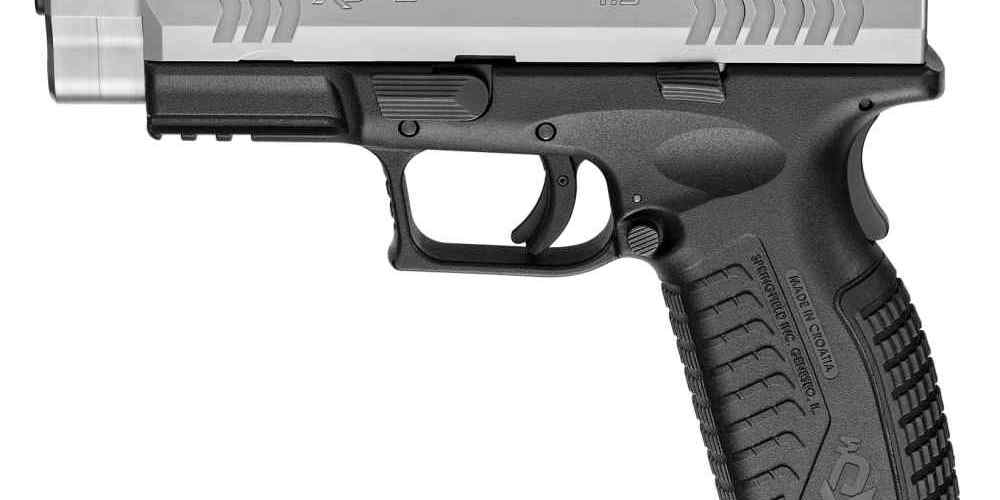
When a handgun is needed most, people often assume it will simply work because it looked reliable at the range. In reality, defensive firearms face a much harsher test than casual target shooting: dust, lint, poor maintenance, incompatible ammunition, weakened magazines, and human error can all turn a trusted sidearm into a failure at the worst possible moment. The lesson is not that handguns are unreliable by nature, but that reliability is earned through the right choice, proper setup, and disciplined care.
Why Handguns Fail in Critical Moments
A handgun is a compact mechanical system, and that compactness is both its strength and its weakness. Unlike larger firearms with more room for robust parts and longer operating cycles, pistols rely on tight timing between the slide, magazine, extractor, ejector, and ammunition. If any one of those elements is out of spec, worn, dirty, or poorly matched, the gun may hesitate when it should fire or cycle. That is why a pistol that runs perfectly during a short range session can still choke under stressful conditions or after months of neglect.
History is full of examples showing that firearms reliability improves when design, ammunition, and maintenance are treated as a system rather than isolated parts. Military and police forces learned this lesson repeatedly over the past century: even excellent service pistols can fail if magazines are worn, springs are tired, or the user has not trained with the specific setup carried daily. In defensive use, there is no time to “figure it out” in the moment. The gun must be vetted beforehand with the exact carry ammunition, holster, and magazine rotation plan the owner intends to use.
The practical takeaway is simple: most handgun failures are preventable, but only if the owner approaches the pistol as a working tool, not an ornament. Regular function checks, cleaning, lubrication, inspection of magazines, and testing with quality ammunition should be part of responsible ownership. For self-defense practitioners especially, reliability should be proven over a meaningful round count, not assumed because the handgun is a popular model or has a respected name on the slide.
Common Causes Behind Sudden Pistol Malfunctions
One of the biggest causes of handgun failure is ammunition inconsistency. Defensive handguns are often asked to digest bargain-range loads during practice and premium hollow points during carry, yet those two categories can behave very differently in the same firearm. Overall cartridge length, bullet profile, primer hardness, powder charge, and case dimensions all affect feeding and ignition. A pistol that functions flawlessly with full metal jacket rounds may stumble when loaded with a particular hollow point design, especially in compact pistols with shorter feed ramps and tighter timing.
Another common culprit is the magazine, which many shooters treat as a disposable accessory rather than a critical component. In reality, magazines are among the most failure-prone parts of any semi-automatic pistol. Weak springs, damaged feed lips, bent bodies, and worn followers can all cause misfeeds, last-round failures, or slide lock problems. If a handgun starts acting up, experienced shooters often inspect the magazine first because it is one of the simplest and most likely points of failure. Marking magazines, rotating carry magazines, and replacing worn units on schedule are practical habits that pay off in the real world.
Maintenance and carry conditions matter just as much. Pocket lint, moisture, sweat, dust, dried lubricant, and carbon buildup can accumulate quickly on a daily-carry pistol, especially in warm climates or for users who train infrequently. Add poor grip technique, limp-wristing under recoil, or aftermarket parts that were never properly tested, and the odds of a malfunction rise further. Responsible gun owners should keep the firearm clean, lubricated according to manufacturer guidance, and periodically inspected by a qualified gunsmith if anything feels off. The goal is not perfection; it is trust built through verification, safe handling, and honest testing.
Handguns fail most often not because they are inherently bad, but because they are asked to do serious work without enough preparation, upkeep, or testing. A dependable defensive pistol is the result of thoughtful selection, quality magazines, proven ammunition, and consistent maintenance. For anyone who carries or relies on a handgun, the best mindset is disciplined confidence: train safely, inspect regularly, and never assume a firearm is ready until you have confirmed it yourself.