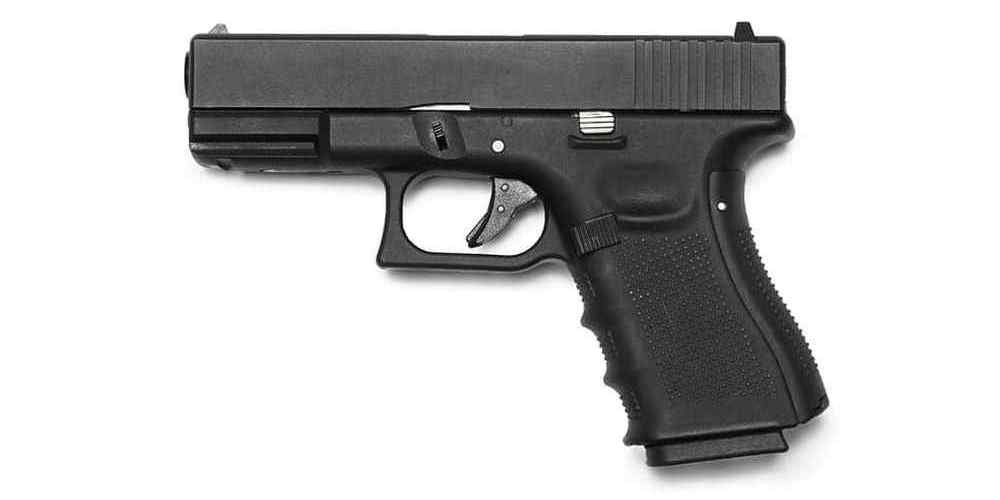
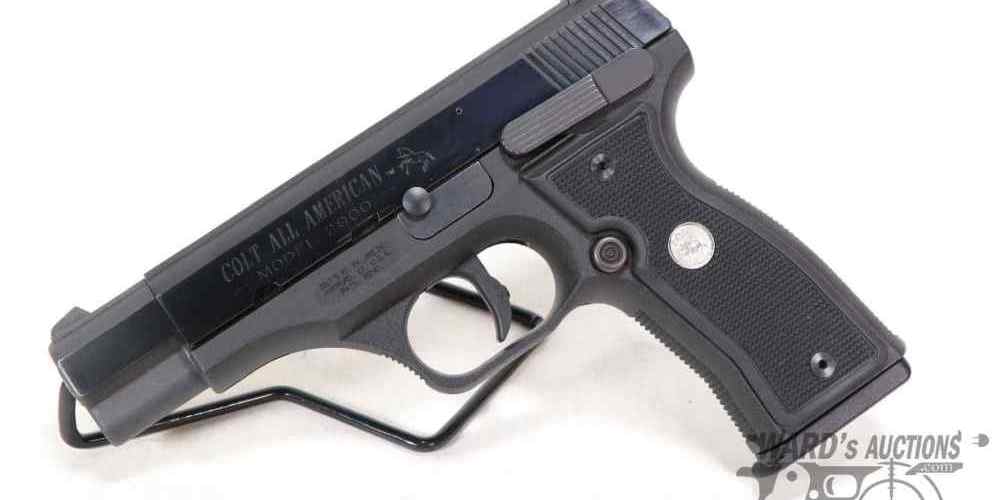
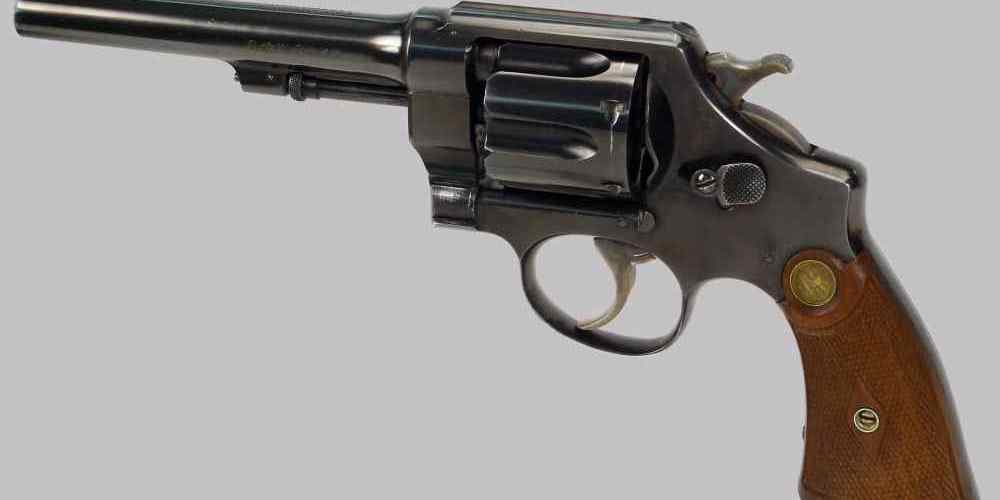
Handgun sights look simple at first glance, but proper installation is one of the most commonly misunderstood parts of owning and maintaining a pistol. On paper, a set of sights should be a straightforward upgrade: remove the old set, install the new set, and zero the firearm. In practice, even experienced shooters run into problems because handgun sights vary widely by manufacturer, dovetail size, material, and design philosophy. What looks like a minor fit issue can quickly turn into a sight that drifts under recoil, sits off-center, or damages the slide during installation.
A big reason this happens is that many owners assume “close enough” is good enough. With handgun sights, it usually is not. A sight that is a fraction of a millimeter out of spec can still seem secure on the bench, yet fail to hold zero after a few magazines. Others are installed with the wrong tools, too much force, or without confirming the specific dimensions for that model. That can lead to scratched finishes, bent sight bodies, or even a compromised slide dovetail. For defensive pistols, competition guns, and carry handguns alike, correct installation is about more than appearance—it directly affects accuracy, reliability, and confidence.
There is also a historical side to the problem. Traditional iron sights were once often fitted by hand by gunsmiths who expected to tune each pistol individually. Today, many factory and aftermarket parts are marketed as “drop-in,” but that label can be misleading. Modern handgun platforms still use different dovetail angles, front-sight mounting methods, and sight heights depending on the manufacturer and generation. Understanding that context helps explain why so many installations go wrong: the process is often treated as universal when it is actually highly model-specific.
Why Handgun Sight Installation Goes Wrong
One of the biggest reasons handgun sights end up installed incorrectly is simple mismatch. A sight that fits one pistol variant may be slightly different from another version of the same model line, especially when manufacturers change slide geometry, optic-height coordination, or front-sight attachment methods. Many shooters order sights based on the gun’s popular model name alone, without checking the exact generation, slide cut, dovetail angle, or front-sight screw size. When that happens, the part may appear to fit, but it will not seat properly or align correctly.
Another common issue is the use of excessive force or the wrong tools. Sight installation is not a task for improvised punches, steel hammers, or guesswork. Using a standard drift instead of a properly fitted sight pusher can mar the slide, deform the sight base, or cause uneven seating. Over-tightening a front-sight screw can strip threads or crack a delicate sight assembly, while under-tightening can allow the sight to loosen under recoil. Many installations fail not because the part is defective, but because the process ignored the precision required for a secure fit.
The final problem is that shooters often skip verification after installation. A sight can look centered and still be mechanically off. If the rear sight is not square in the dovetail, or if the front sight height does not match the intended point of impact, the pistol may print far left, right, high, or low. Responsible owners should always confirm alignment, inspect for movement, and test the firearm at the range before relying on it for carry or duty use. A few careful checks can prevent a lot of frustration later.
The Common Mistakes Behind Bad Sight Fits
A frequent mistake is assuming all dovetails are interchangeable. They are not. Even when two sights look nearly identical, the angle and width of the dovetail can vary enough to create a poor fit. Some owners attempt to force an oversized sight into a slide by filing aggressively or driving it in with heavy impacts, which can permanently damage both parts. On the other hand, a sight that is too loose may shift during recoil unless it is properly matched and secured. The right fit should be achieved through the correct part selection first, not by forcing an incorrect one into place.
Another mistake is ignoring sight height and purpose. Sights are not only about mounting securely; they also determine point of impact. A defensive pistol, a competition gun, and a suppressor-ready setup may all require different heights to account for slide dynamics, preferred ammunition, or optic use. Installing the wrong height can produce consistent vertical error even when the sight is mechanically centered. For that reason, it is worth reviewing the manufacturer’s recommendations and understanding how your load, barrel length, and intended use influence the final zero.
Finally, many problems come from poor maintenance habits and a lack of post-installation inspection. Recoil, holster wear, temperature changes, and thread-locking compound misuse can all affect sight integrity over time. Owners should periodically check that sights remain secure, especially on carry pistols that are handled daily. If a sight begins to drift or the firearm starts printing inconsistently, it is a sign to stop and inspect rather than continue shooting through the problem. Proper installation is only the first step; responsible ownership means monitoring the setup and correcting issues before they affect safety or performance.
Most handgun sight installations go wrong for the same reason many firearm problems do: people assume the job is simpler than it really is. Sights require the correct part, the correct tools, and the correct understanding of the firearm’s design. When those pieces are in place, installation can be clean, durable, and precise. When they are not, even a high-quality sight can underperform or fail entirely.
For gun owners, hunters, and self-defense practitioners, the lesson is straightforward. Verify compatibility, use proper equipment, and test the result before trusting the pistol. If a sight fit seems uncertain, working with a qualified gunsmith or following the manufacturer’s installation guidance is the safest option. A well-installed sight supports accuracy, confidence, and responsible firearm use—and that is worth doing right the first time.