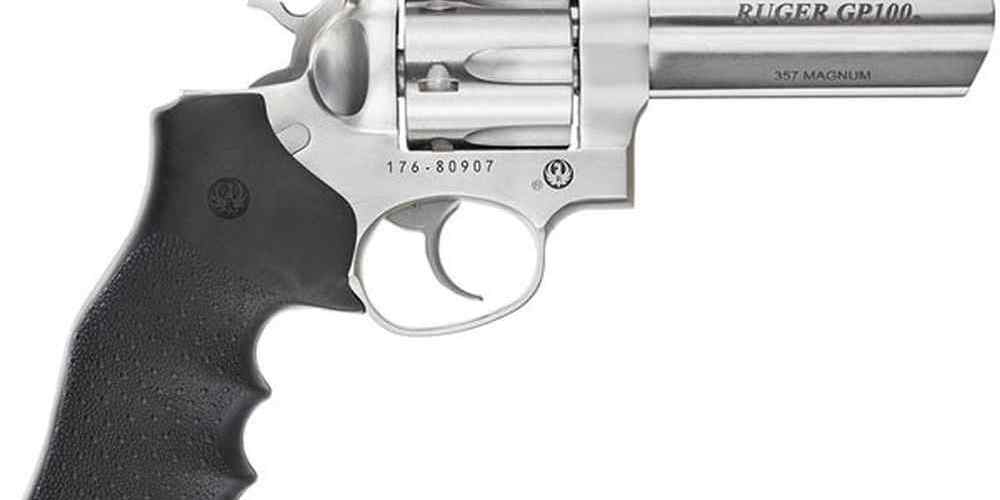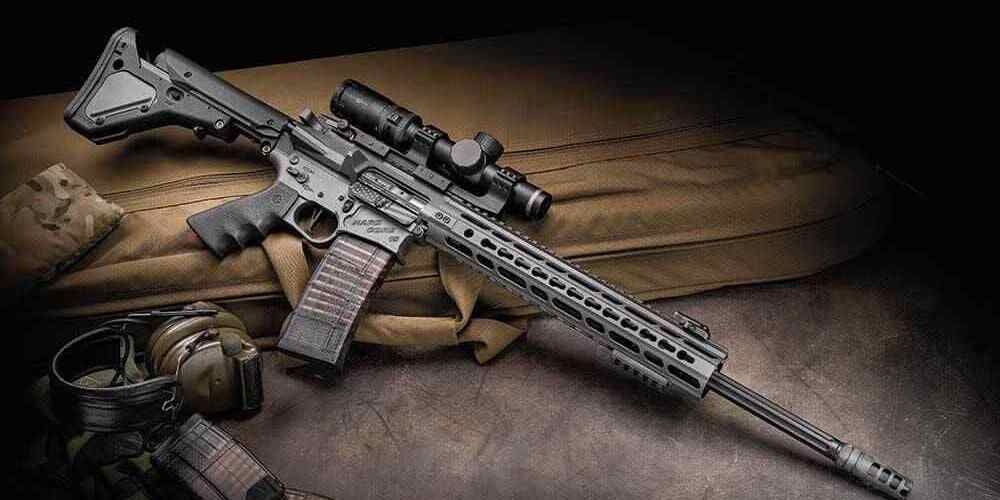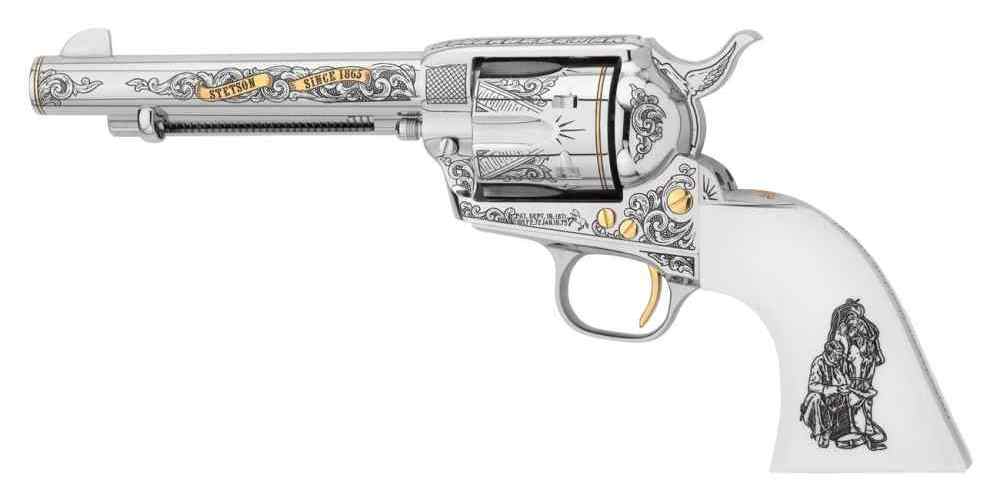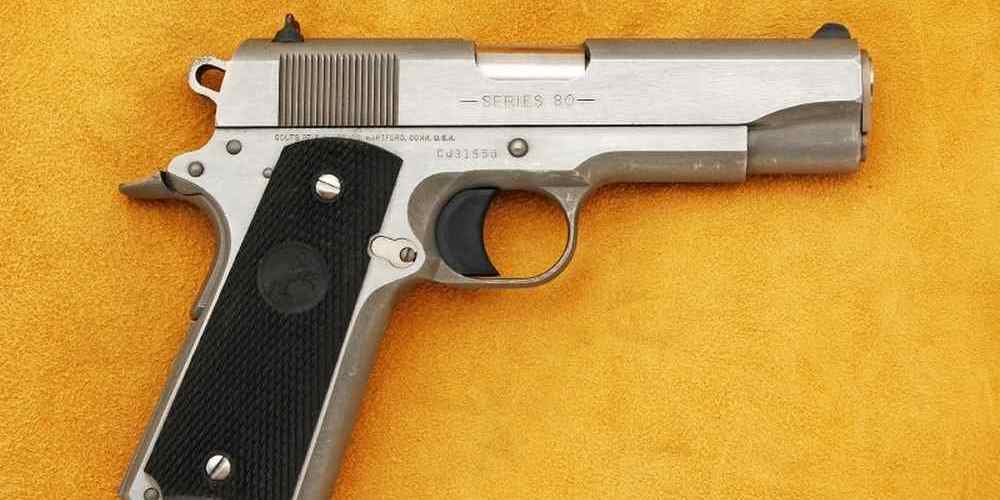
Firearm collections often grow in the same way hobbies do: one careful purchase at a time, then a trade, a family heirloom, a gun show find, a hunting rifle added for a specific season, or a defensive pistol chosen after training. Over the years, owners may end up with a mix of manufacturers, models, calibers, accessories, and inherited pieces, but not the paperwork that should travel with them. For many collectors and everyday gun owners, the problem is not neglect in a careless sense; it is that documentation gets scattered, lost, or never created in the first place. That missing information can create headaches for insurance, appraisal, maintenance, inheritance, and legal compliance.
Why Firearm Collections Go Undocumented
Many collections begin informally, and that is a major reason records fall behind. A firearm might be bought new from a dealer with a receipt and transfer paperwork, but once it leaves the store, those documents can get filed away, misplaced during a move, or separated from the gun itself. Heirlooms are even more likely to lack documentation because they may have been passed down quietly through a family with little formal recordkeeping, especially if the original owner never expected the collection to be sold, insured, or inventoried later.
Another common issue is that owners often underestimate how much detail matters. A casual list that says “Remington shotgun” or “Glock pistol” may feel sufficient at first, but it is usually not enough for insurance claims, law enforcement reporting, or estate planning. Proper records should include the make, model, caliber or gauge, serial number, purchase date, source, optic or accessory details, and any notable modifications. Without that information, it becomes much harder to prove lawful ownership, identify a specific firearm after loss or theft, or establish value if the collection needs to be appraised.
There is also a practical side to the problem: many gun owners focus on safe storage, training, and maintenance but skip the paperwork because it seems less urgent. That is understandable, especially for hunters and self-defense practitioners who prioritize readiness and reliability. Still, documentation is part of responsible ownership. Just as owners inspect springs, verify torque on mounts, and keep ammunition properly stored, they should also maintain accurate records that support safety, traceability, and legal compliance. A well-kept inventory is not bureaucracy; it is a tool that protects the owner and the collection.
Fixing Gaps in Records for Safer Ownership
The best way to correct missing records is to build a complete inventory from the collection itself. Start by handling each firearm safely, following basic safety rules: point in a safe direction, verify the chamber is empty, and remove the magazine before recording any details. Then document each item with clear photos of both sides, the serial number, the barrel markings, and any accessories such as optics, lights, suppressors where legal, slings, or upgraded stocks. If the firearm has been customized, note those changes separately so the original configuration is still identifiable.
Once the inventory exists, owners should store the information in more than one place. A printed copy in a secure location and a digital copy backed up offline or in encrypted cloud storage is a smart approach. Some collectors prefer a simple spreadsheet; others use dedicated firearm inventory software or a serialized logbook. For higher-value collections, it can be worth keeping purchase receipts, appraisals, warranty cards, and photos together in a single folder. Products like gun safes with document drawers, lockable filing cabinets, or fire-resistant storage boxes can help protect the paper trail alongside the firearms themselves.
Documentation should also be updated whenever the collection changes. New purchases, sales, trades, repairs, refinishing work, or accessory upgrades should all be recorded promptly. This habit pays off in real-world situations: if a firearm is stolen, the owner can provide precise information to law enforcement; if an estate must be settled, heirs have a clear record of what belongs where; and if a rifle or pistol is inspected by a gunsmith, the history is easier to understand. Good records do more than organize a collection—they help preserve value, support lawful ownership, and reinforce the kind of disciplined gun culture that responsible owners should want to uphold.
Most firearm collections lack proper documentation not because owners do not care, but because records are easy to postpone and hard to reconstruct later. The good news is that the fix is straightforward: inventory every firearm, capture key details and photographs, store the information securely, and update it regularly. That process strengthens safety, simplifies insurance and estate planning, and makes ownership more responsible and transparent. For anyone who values firearms as tools, investments, family assets, or pieces of history, good documentation is one of the simplest and most important habits to build.